




Finding your dog peeing on the floor can be incredibly frustrating. But in most cases, dogs are not doing it out of spite or stubbornness. There is usually a clear reason behind the behaviour.
Indoor urination can be linked to medical problems, incomplete training, anxiety, or even normal canine communication like marking territory. Understanding the cause is the key to fixing the issue.
Here is what I commonly see in veterinary practice and how you can address it.
Common Reasons Dogs Pee Indoors
Medical Problems
The first thing to rule out is a medical issue.
Several health conditions can cause dogs to urinate more frequently or lose bladder control, including:
• Urinary tract infections (UTIs)
• Bladder stones
• Kidney disease
• Diabetes
• Hormonal disorders
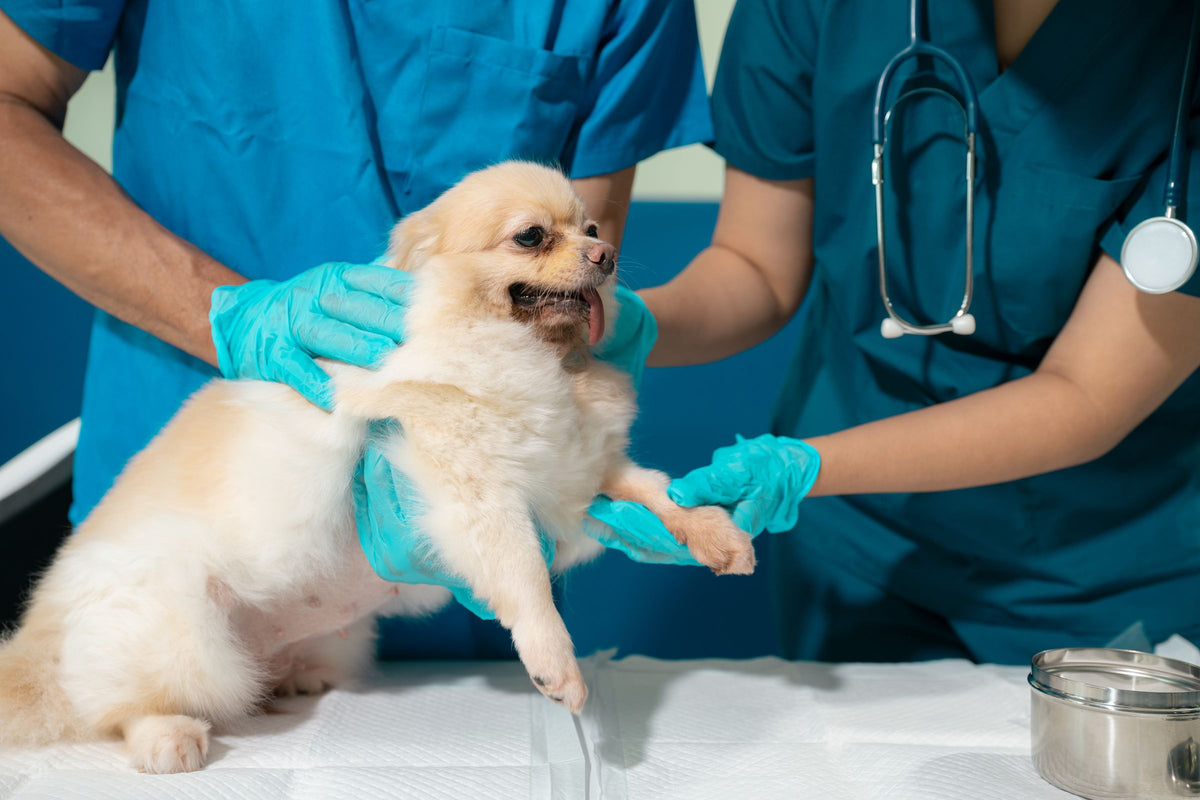
If a well trained dog suddenly begins peeing inside, it is important to have them examined by a veterinarian. Sudden behaviour changes often have a medical explanation.
Incomplete House Training
Some dogs simply were never fully house trained.
Puppies need consistent routines and supervision to learn where they should go to the bathroom. Even adult dogs may develop bad habits if their training was inconsistent or interrupted.
Rescue dogs may also need house training restarted from the beginning when entering a new home.
Territorial Marking
Dogs communicate with scent, and urine marking is one way they claim territory.
This behaviour can occur indoors when:
• A new pet enters the home
• Visitors bring unfamiliar scents
• Furniture is moved
• The dog feels their territory is being challenged
Both male and female dogs may mark. Desexing often reduces this behaviour, but supervision and training are still important.
Anxiety or Stress
Stress can trigger indoor urination in some dogs.
Common triggers include:
• Moving house
• Changes in family members
• Loud noises or storms
• Separation anxiety
Dogs dealing with stress may also show other signs such as pacing, whining, destructive chewing, or clingy behaviour.
Creating predictable routines and safe spaces often helps reduce anxiety related accidents.
Age Related Incontinence
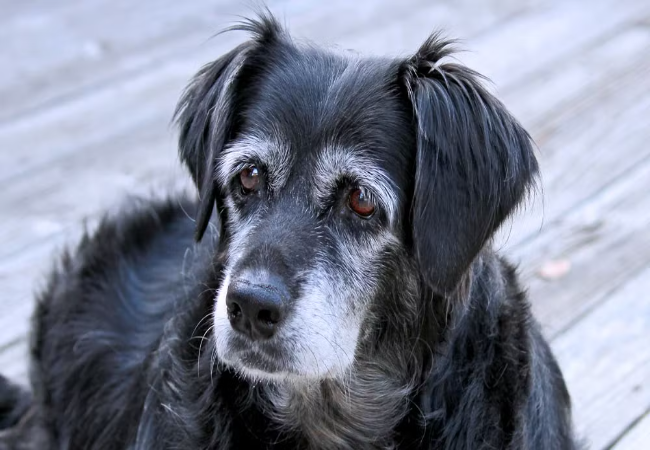
Older dogs sometimes lose bladder control due to weakening muscles or cognitive decline.
This condition is relatively common in senior dogs and may be associated with what many people refer to as canine dementia.
Fortunately, there are medications and management strategies that can greatly improve comfort and reduce accidents.
How to Stop Your Dog From Peeing Indoors
Once medical problems are ruled out, the focus shifts to training and routine.
These strategies are usually very effective.
Establish a Routine
Dogs thrive on predictable schedules.
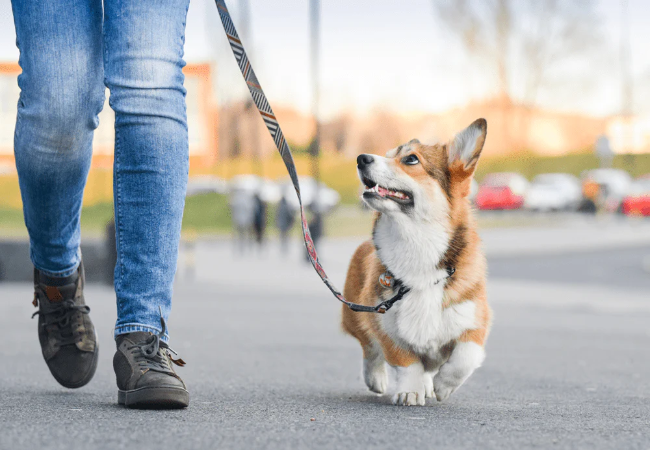
Take your dog outside:
• First thing in the morning
• After meals
• After playtime
• Before bedtime
Regular bathroom breaks help dogs understand when and where they should eliminate.
Reward the Right Behaviour
Positive reinforcement is extremely powerful.
When your dog urinates outside, reward them immediately with:
• Praise
• A treat
• Playtime
Dogs quickly learn to repeat behaviours that lead to rewards.
Supervise and Redirect
Watch your dog closely when indoors.
Signs they need to urinate often include:
• Sniffing the ground
• Circling
• Pacing
• Walking toward the door
If you notice these signals, take them outside right away.
Clean Accidents Thoroughly
Dogs often return to areas that smell like urine.
Use an enzyme based cleaner to remove all traces of scent. Standard household cleaners usually do not eliminate the smell completely.
Consider Crate Training
A properly sized crate can help with house training.
Most dogs naturally avoid soiling their sleeping area. Crate training can help encourage bladder control when used correctly and paired with regular bathroom breaks.
Seek Professional Help
If accidents continue despite consistent training, working with a qualified dog trainer or behaviourist can help.
In persistent cases, further veterinary testing may also be necessary.
Final Thoughts
Dogs rarely pee indoors without a reason.
The most common causes include medical issues, incomplete house training, stress, marking behaviour, or age related bladder changes.
The key steps are:
• Rule out medical causes first
• Create a consistent routine
• Reward correct behaviour
• Stay patient during training
Most dogs improve quickly once the underlying cause is identified.
FAQ
Why does my dog suddenly start peeing indoors?
Sudden indoor urination is often caused by medical problems such as urinary tract infections, bladder stones, or diabetes. Behavioural stress and changes in routine can also trigger it.
Should I punish my dog for peeing inside?
No. Punishment can increase anxiety and make the behaviour worse. Positive reinforcement and proper training are far more effective.
How long does it take to fix indoor urination?
Most training related problems improve within a few weeks with consistent routines, supervision, and positive reinforcement.
When should I see a vet?
You should see a veterinarian if the behaviour starts suddenly, occurs frequently, or is accompanied by other symptoms like drinking more water, lethargy, or blood in the urine.
If you want to monitor things like urination frequency, behaviour changes, and health patterns, tools like the ASK A VET™ app can help track symptoms over time and provide useful information to share with your veterinarian.
Recommended by Dr Duncan
Vet-designed gear for what you have just read about.
- Schnüffelball mit KnistereffektShop
Hide treats & keep dogs engaged through sniff, search & crackle sounds
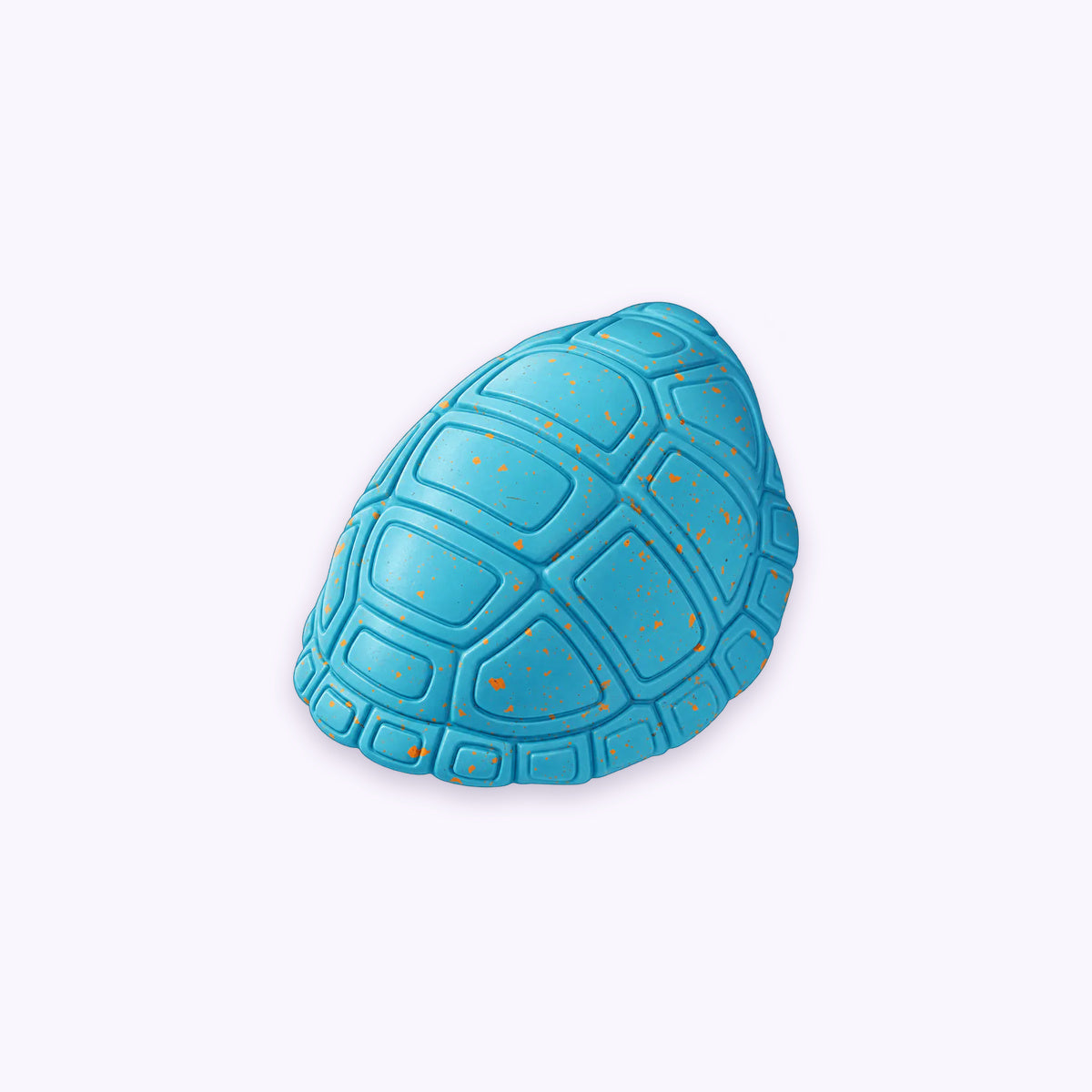
- Chewster Schildkröten-SpielzeugShop
For power chewers. Slow-release treat play for focused sniff & chew sessions
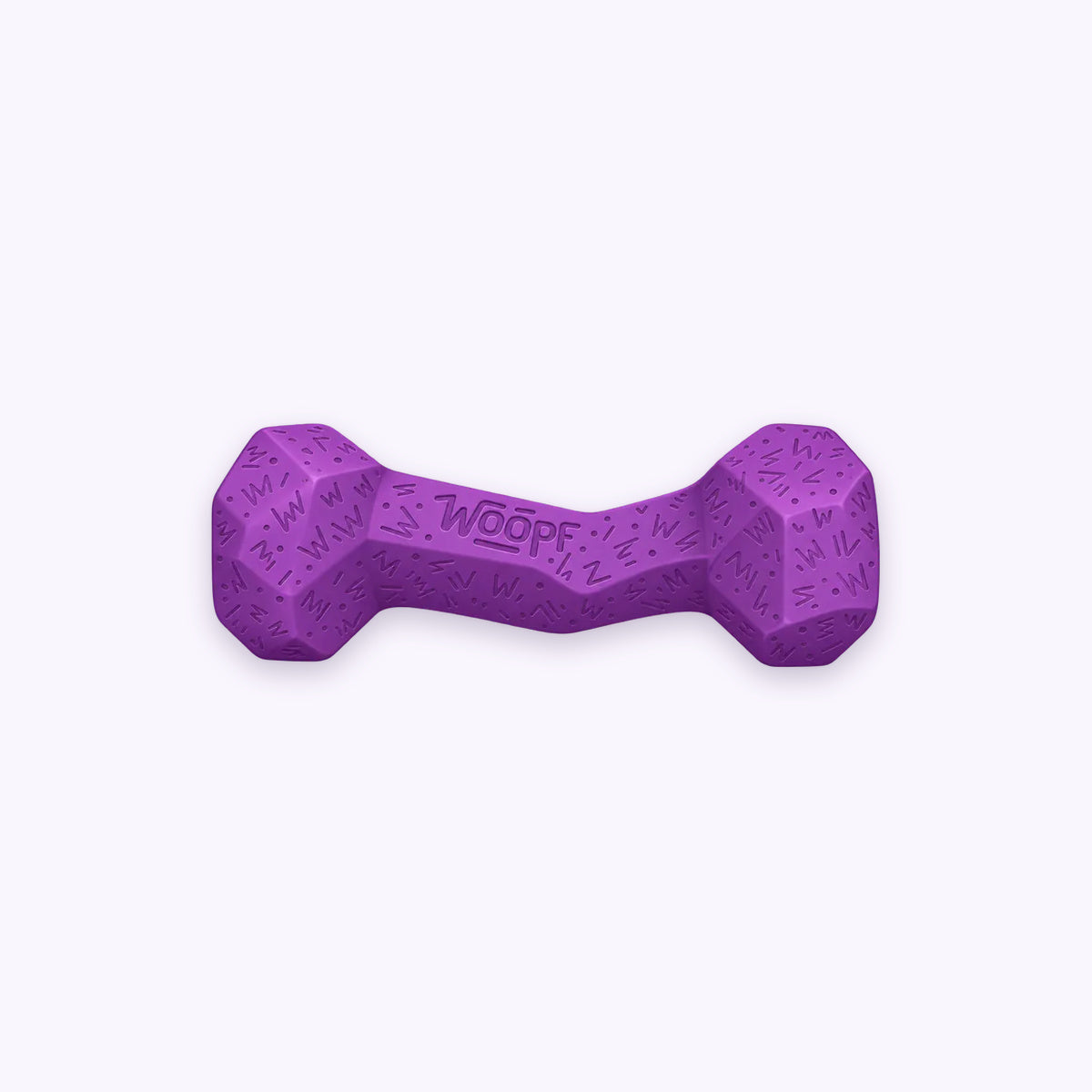
- Chewster Blocky KnochenShop
For power chewers. Roll, chase & earn treats through chew play