





Best Gear for Training Rescue Dogs (Vet-Approved Kit)
この記事で
Best Gear for Training Rescue Dogs (Vet-Approved Kit) 🐕🎯
By Dr Duncan Houston
Welcoming a rescue dog into your home is one of the most rewarding things you can do as a pet owner. It is also a transition that requires patience, understanding, and the right tools.
Many rescue dogs arrive with unknown histories. Some have never walked on a leash properly. Others may have experienced fear, rough handling, or inconsistent training in the past. Because of this, they often react strongly to new environments, unfamiliar gear, or the pressure of a leash.
As a veterinarian, I often see rescue dogs who are loving and eager to bond, but unsure about the world around them. The right walking gear can make a major difference during this adjustment period. It helps keep your dog secure, reduces stress during training, and allows you to build trust step by step.
Over the years I have worked with thousands of rescue dogs, from shelter surrenders to former street dogs. The kit below is the setup I recommend most often when helping new owners get started safely.
🧠 Why Rescue Dogs Need Gentle, Secure Gear
Rescue dogs often face challenges that many people do not expect during the first few weeks.
Common issues I see include:
• Sudden panic or pulling during walks
• Fear responses to leash pressure
• Negative associations with collars or step-in harnesses
• High escape risk during early adjustment periods
Because of this, rescue dog gear should focus on three main priorities:
• Security and escape prevention
• Comfort and natural movement
• Calm handling that reduces stress
Good equipment cannot replace training, but it makes calm training much easier.
🎽 1. A Secure Harness Is the Foundation
If there is one piece of gear I consider essential for rescue dogs, it is a properly fitted harness.
Many inexpensive harnesses rely on thin straps or step-in designs that can twist, rub, or allow nervous dogs to slip out. A frightened dog can back out of poorly fitted gear surprisingly quickly.
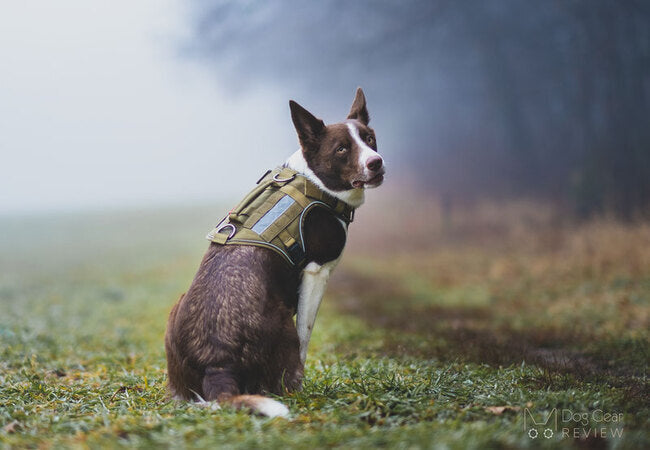
That is why I recommend a Y-front harness design like the WOOPF™ Explorer Harness.
This style supports natural shoulder movement and distributes pressure more safely across the body instead of the neck.
Features that make a difference for rescue dogs include:
• Y-front structure that allows normal movement
• Front clip option to help reduce pulling
• Four-point adjustment for a secure fit
• Soft padding for sensitive skin
• A built-in handle for control in reactive moments
In the early weeks after adoption, escape prevention is extremely important. A secure harness helps ensure your dog stays safe while you build confidence together.
🔗 2. Use a Lead That Softens Leash Pressure
Leash tension can be a major trigger for anxious rescue dogs. Sudden pressure on the leash can cause panic, lunging, or resistance.
This is why I often recommend using a shock-absorbing lead rather than a stiff nylon leash.
The WOOPF™ Bungee Lead helps soften the experience by absorbing some of the force when a dog pulls or lunges unexpectedly.
Benefits of a bungee lead include:
• Reduced shock on the dog’s neck and shoulders
• Smoother leash communication
• Less strain on the owner’s arm
• A calmer walking experience overall
Many rescue dogs become more relaxed when leash tension feels less abrupt. This can make early training sessions far more productive.
🎁 3. Keep Rewards Ready With a Training Pouch
Positive reinforcement is one of the most effective ways to build trust with rescue dogs. Rewarding calm behaviour at the right moment helps dogs learn that good choices lead to positive outcomes.
Timing is everything during training.
That is why I recommend using a treat pouch such as the WOOPF™ Explorer Dual Pocket Pouch.
This allows you to keep treats and essentials ready without searching through pockets during walks.
Useful items to carry include:
• High-value training treats
• Poop bags
• Your house key
• Small essentials for walks
Being able to reward calm behaviour immediately helps reinforce loose-leash walking, attention, and relaxed responses to new situations.
🌊 4. A Collar for Identification and Backup Safety
While I do not recommend walking rescue dogs on a collar alone, a collar still plays an important safety role.
Collars should primarily hold identification tags in case your dog becomes separated from you.
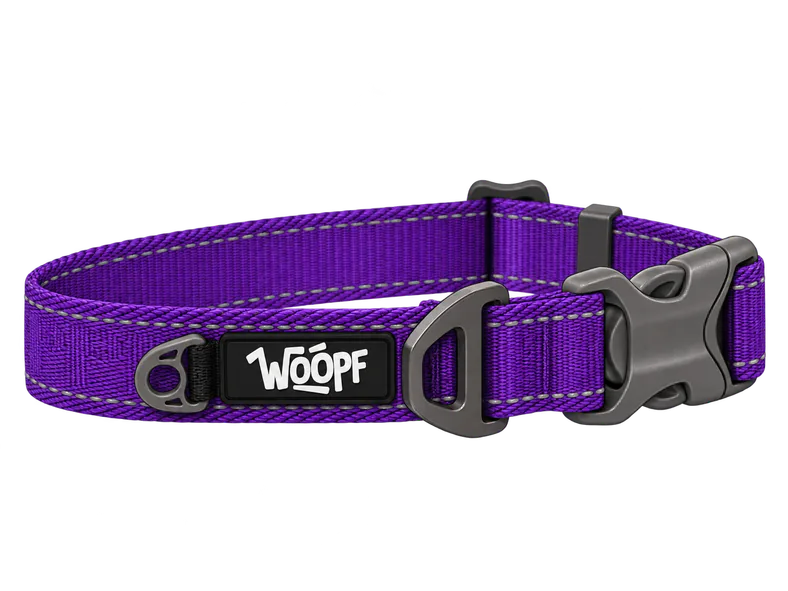
A lightweight option such as the WOOPF™ Sealskin Collar works well for everyday ID use.
Important features include:
• Waterproof material that stays clean and comfortable
• Lightweight design suitable for daily wear
• Durable construction for ID tags
• Easy maintenance without absorbing odours
Think of the collar as a safety backup rather than your main walking tool.
📋 My Rescue Dog Training Tips for the First Few Weeks
When a new rescue dog arrives home, the goal is not perfect obedience. The goal is helping them feel safe.
A few simple habits can make a big difference:
• Keep walks short and predictable
• Use the same gear setup each day
• Reward calm behaviour frequently
• Avoid crowded dog parks early on
• Check harness fit before every walk
• Focus on building trust before strict training
One of the most common problems I see in clinic is owners moving too fast. Rescue dogs often progress best when new experiences are introduced gradually.
👜 Vet-Approved Rescue Dog Starter Kit
If you are preparing for life with a rescue dog, this is the gear combination I recommend most often:
• WOOPF™ Explorer Harness for secure, escape-resistant walks
• WOOPF™ Bungee Lead for softer leash control
• WOOPF™ Explorer Dual Pocket Pouch for treats and walk essentials
• WOOPF™ Sealskin Collar for safe everyday identification
This setup helps reduce stress, prevent escapes, and support positive training during the most important adjustment period.
🐾 Final Thoughts
Rescue dogs deserve patience, understanding, and gear that supports their transition into a new life.
The right equipment will not replace training or time, but it can make those first weeks significantly smoother. Secure harnesses, gentle leash systems, and positive reinforcement tools all help rescue dogs feel safer and more confident during walks.
Over time, that confidence grows into trust. And once a rescue dog trusts you, the real transformation begins.
One small tip I often share with new rescue owners is to keep your dog’s information organised in one place. The ASK A VET™ app can help store identification details, health records, and important pet information so everything is easy to access when needed.
Helping a rescue dog settle into their new home is a journey. With the right approach and the right gear, it is a journey that becomes incredibly rewarding.
If you want, paste me the exact product URLs and I’ll turn this into the finished version with all links inserted properly.


