
Feed Treats the Right Way: Vet Tips on Timing, Types & Training
この記事で
Feed Treats the Right Way 2025: Vet Tips on Timing, Types & Training 🍖🐾
By Dr. Duncan Houston BVSc
Treats are powerful tools in puppy training—but they must be used wisely. This guide, shaped by veterinary insight and behavioural science, covers ideal timing, appropriate treat types, calorie control, and phased reward strategies.
1. 🕒 When to Give Treats: Timing Is Key
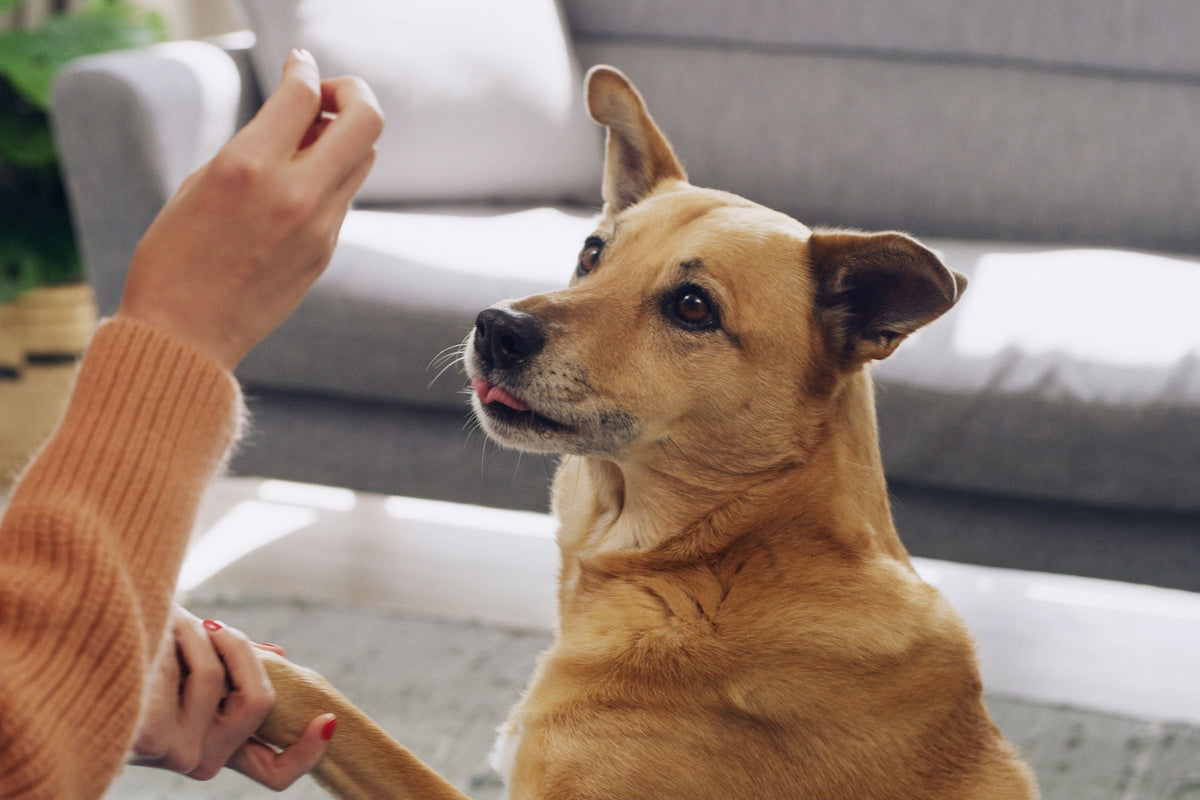
- Treat immediately after a correct behavior—ideally within 1–2 seconds—to ensure your pup associates the action with the reward.
- Feed treats before meals or after exercise when your puppy is eager, making reinforcement more effective.
2. 🔢 Treat Calorie Control: Keep It Under 10%
Treats should make up no more than 10% of daily calories—this prevents weight gain and nutritional imbalance.
- Use low-calorie treats like Charlie Bear Crunch (<3 kcal each) or freeze-dried bites (<1 kcal).
- Alternatively, use regular kibble and reduce meal portions accordingly to compensate for treats.
3. 🍖 Best Treat Types & Sizes
- Soft, fast-to-eat treats—ideal for training sessions to maintain momentum.
- Pea-sized nuggets for quick delivery and calorie economy.
- High-value options (e.g., freeze-dried liver, cheese, chicken) for distractions or stress-coping.
- Alternatives: small veggie bites (carrot, cucumber) or kibble for low-stress, everyday rewards.
Important: Avoid toxic treats like chocolate, onions, garlic, grapes & high-fat snacks.
4. 🎓 Use Treats as Education, Not Bribes
At first, use food as a lure—then switch to offering treats only after your pup performs the command independently.
- Don’t show the treat before asking—wait until the behavior is completed to avoid bribes.
- Phase out food: move to intermittent rewards and introduce play, praise, or toys as reinforcement.
5. 🗓 Training Schedule With Treats
Daily sessions should be short, consistent, and goal-focused—3–5 minutes each, multiple times a day.
| Time | Session Focus | Treat Use |
|---|---|---|
| Morning (post-walk) | Recall or Sit | High-value, immediate treats |
| Midday | Loose-leash or Focus cue | Pea-sized soft treats |
| Evening | Trick practice or calm behavior | Low-calorie kibble |
| Pre-bed | Relax cue (e.g., down) | Praise or Purrz diffuser + token treat |
6. 🧩 When to Phase Out—And What to Use Instead
- Once the cue is at ~90% success, reduce treat frequency—use every 2–3 reps, eventually 1–4 reps.
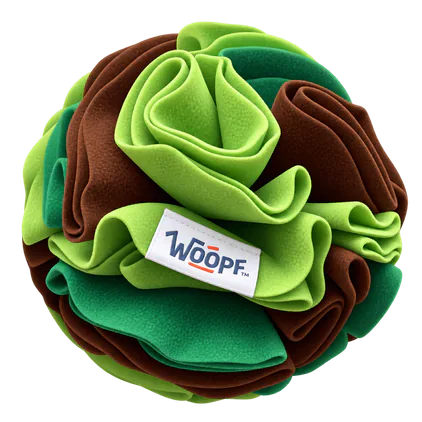
- Introduce alternative rewards: affection, brief play, freedom to sniff, or a Woopf sniff-mat session.
- Use a variation of reward types to maintain motivation and avoid predictability.
7. ⚠️ Common Pitfalls and Solutions
- Overfeeding treats: track calories and feeding schedule—stay under 10%.
- Slow treats: frustrate dogs—choose small, fast treats or kibble.
- Inconsistent timing: use markers like clicker/“Yes!”, don’t delay reward.
- Constant bribes: treat only after cue; don’t pre-show.
8. 🧰 Support Tools & Resources
- Woopf Enrichment Toys: reward sniffing or calm behaviors with environment-based treats.
9. ✅ Final Takeaways
- Feed treats immediately after the desired behavior with a clicker or cue.
- Use small, soft, low-calorie treats to train frequently without weight gain.
- Transition from food-only reinforcement to varied rewards as your pup masters cues.
- Keep overall treat intake under 10% of daily calories.
FAQs
Q: 子犬に1日に何個のおやつをあげられますか?
おやつは子犬の1日のカロリーの10%未満に抑えましょう。小さなエンドウ豆サイズの一口大を使ってください。
Q: 高価なトリーツとは何ですか?
A: 高価なトリーツは柔らかく、特に美味しく、注意が散る環境でのトレーニングに使われます。例えば、チキン、チーズ、ピーナッツバターなどです。
Q: 座るたびにおやつをあげるべきですか?
A: 最初はそうです。学習が進むにつれて、信頼性を高めながら関心を維持するために、ランダムに報酬を与え始めましょう。


