





Introduction
Raising a confident puppy isn’t just adorable—it’s essential. During those first few months, your puppy’s experiences shape their lifelong attitude towards new people, places, and stimuli. As a veterinarian, my goal is to help you give your puppy the secure foundation they deserve during this critical socialization window between roughly 3 and 14 weeks.
In this article, you’ll find:
- Clear vet-verified strategies for socialization
- Tips to boost confidence through structured experiences
- A week-by-week schedule for real-life implementation
1. Understanding Why Early Socialization Matters
The Critical Window
Puppies between 3–14 weeks are incredibly adaptable and curious. This is the prime time to shape their confidence. Delaying exposure can result in fear and anxiety.
Nature + Nurture
While genetics play a role in temperament, social experiences help your pup build emotional resilience.
Long-Term Benefits
- Reduces fear and anxiety
- Lowers aggression risk
- Eases grooming and vet visits
- Minimizes sensitivity to sounds
2. Vet-Backed Socialization Tools & Techniques
2.1 Puppy Kindergarten & Classes
Enrolling in structured, reward-based classes helps puppies learn body language, cues, and social etiquette.
2.2 Gradual Exposure to New Stimuli
- Introduce new sounds and sights slowly
- Reward calm behavior with treats and praise
- Keep sessions brief and build up gradually
2.3 Familiarizing with People & Pets
Expose your pup to hats, wheelchairs, children, and other dogs in calm, controlled settings.
2.4 Handling & Vet Visit Prep
Daily touch routines and “happy visits” to the vet help build comfort with being handled.
2.5 Solo Time Confidence
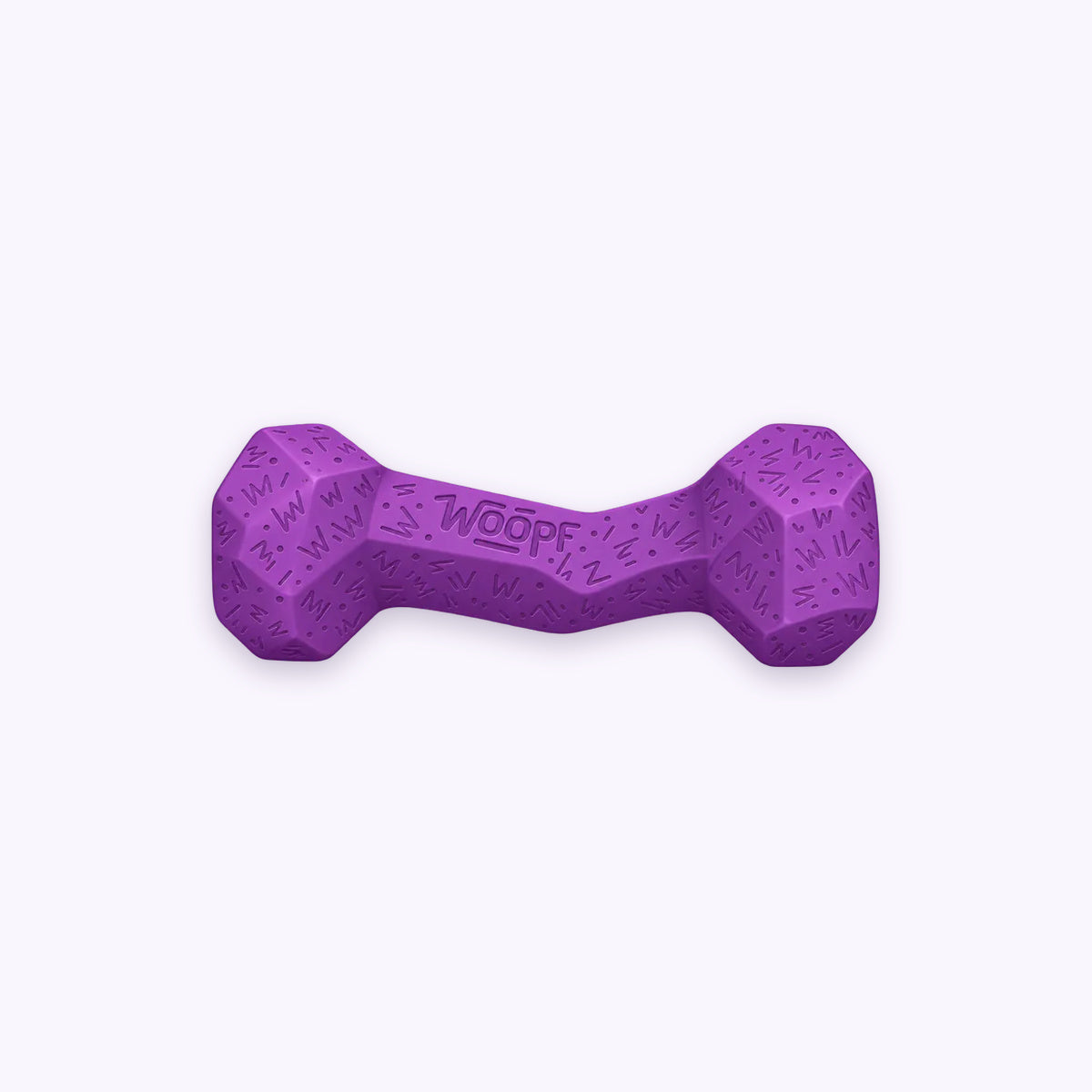
Crate training and puzzle toys like Woopf’s feeders promote independence and mental stimulation.
3. Weekly Socialization Schedule
| Week | Focus | Actions |
|---|---|---|
| 3–4 | Settling In | Bonding, crate basics, brief separations |
| 5–6 | Outdoors | New surfaces, light noises, gentle outings |
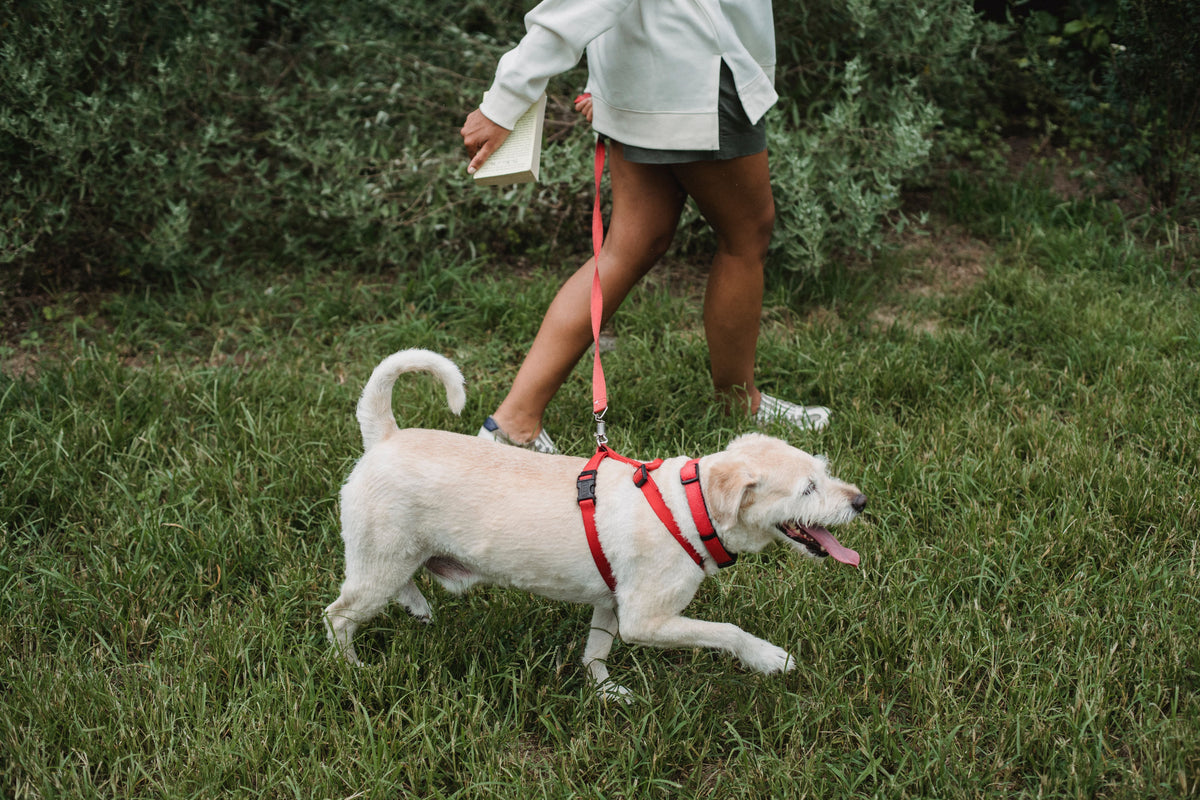
| 7–9 | New Faces | Meet people, ride in cars, walk on a leash |
| 10–12 | Handling | Practice brushing, vet handling, and grooming tools |
| 13–14 | Confidence | Explore stairs, elevators, and busier spaces |
| 15+ | Maintenance |
4. Confidence-Building Activities
- Use playlists of city noises during play
- Practice recall and reward enthusiastically
- Use tunnels, ramps, and wobble boards
5. What to Avoid
- Forcing interaction with fearful puppies
- Overloading your pup with new stimuli
- Waiting past 16 weeks to socialize
6. When to Get Help
If your pup freezes, hides, or regresses, don’t wait—get guidance. A certified veterinary behaviorist can provide expert support.
7. Conclusion
Confident puppies become happy, resilient adult dogs. Start socialization early, stay positive, and make learning fun with expert resources at your side.
Recommended by Dr Duncan
Vet-designed gear for what you have just read about.
- パリパリ音付きスナッフルボールShop
Hide treats & keep dogs engaged through sniff, search & crackle sounds
- チュースター タートルシェルおもちゃShop
For power chewers. Slow-release treat play for focused sniff & chew sessions
- チュースター ブロッキー ボーンShop
For power chewers. Roll, chase & earn treats through chew play