


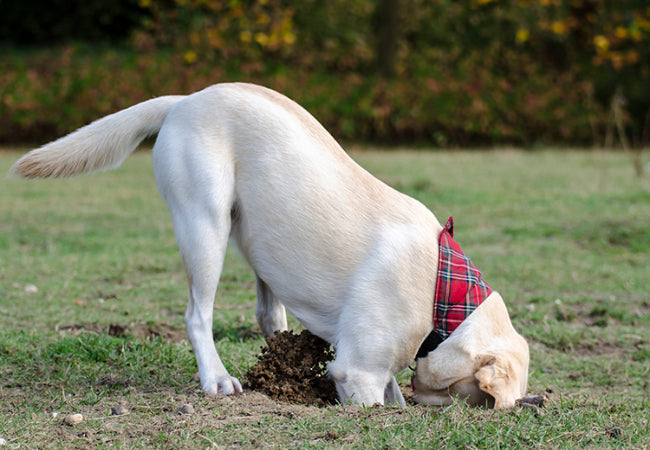


Digging is a natural canine behavior, but it can quickly become frustrating when your dog turns your garden into a construction site. Dogs dig for many reasons: to seek entertainment, escape, hunt, or get attention. Understanding the cause is key to stopping the behavior effectively.
🏃♂️ 1. Provide Adequate Exercise and Mental Stimulation
Boredom and excess energy are major triggers for digging. Keep your dog physically and mentally engaged:
-
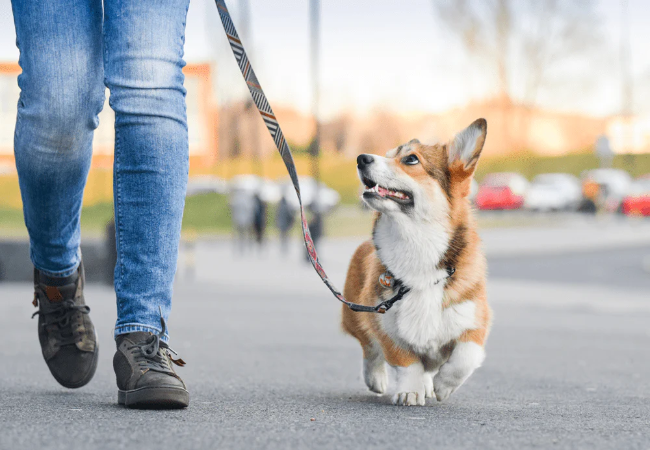
Daily walks and play sessions
-
Fetch, tug-of-war, or agility training
-
Puzzle toys or treat-dispensing toys to challenge their mind
Remember, some breeds, like Terriers or Huskies, naturally have more energy and may require extra activity to stay satisfied.
🏖️ 2. Create a Designated Digging Zone
Instead of trying to stop digging altogether, channel it into an acceptable area:
-
Set up a sandbox or a specific corner of your yard
-
Bury toys or treats to encourage digging in that spot
-
Praise your dog when they dig in the designated area
This approach satisfies their instinct while protecting your garden.
🎓 3. Training and Positive Reinforcement
Training is crucial for teaching your dog where digging is acceptable:
-
Teach commands like “leave it” or “no dig”
-
Catch them in the act and redirect them to an appropriate activity
-
Reward them with treats, praise, or play when they follow your commands
Consistency is key — punishing after the fact can confuse your dog.
🚫 4. Avoid Negative Punishment
Harsh punishment or yelling can create stress and damage your bond. Focus on positive reinforcement and redirection, which are proven to be more effective for long-term behavioral change.
❌ 5. Make Problem Areas Less Appealing
If there’s a particular spot your dog loves to dig:
-
Place smooth rocks or chicken wire (non-sharp edges) under the soil
-
Use safe, non-toxic deterrent sprays with an unpleasant smell
-
Avoid using harmful chemicals, as these can endanger your dog
😟 6. Address Separation Anxiety
Dogs sometimes dig to escape or cope with anxiety when left alone. Signs of separation anxiety may include:
-
Chewing, barking, or pacing when alone
-
Attempting to escape the yard or house
Strategies to help include:
-
Crate training for short periods
-
Gradually increasing time apart
-
Consulting a vet or dog behaviorist for severe cases (medication may be recommended)
🐭 7. Check for Pests
Dogs may dig in search of prey, such as moles, gophers, or insects. If this is the case, consult a pest control professional to remove the attraction safely.
💡 Key Tips
-
Provide plenty of alternatives for energy release
-
Supervise your dog outdoors until they consistently avoid forbidden areas
-
Be patient and consistent — behavior change takes time
-
Use reward-based strategies to reinforce good habits
With understanding, patience, and positive reinforcement, you can teach your dog to enjoy digging appropriately while keeping your garden intact.
Recommended by Dr Duncan
Vet-designed gear for what you have just read about.
- パリパリ音付きスナッフルボールShop
Hide treats & keep dogs engaged through sniff, search & crackle sounds
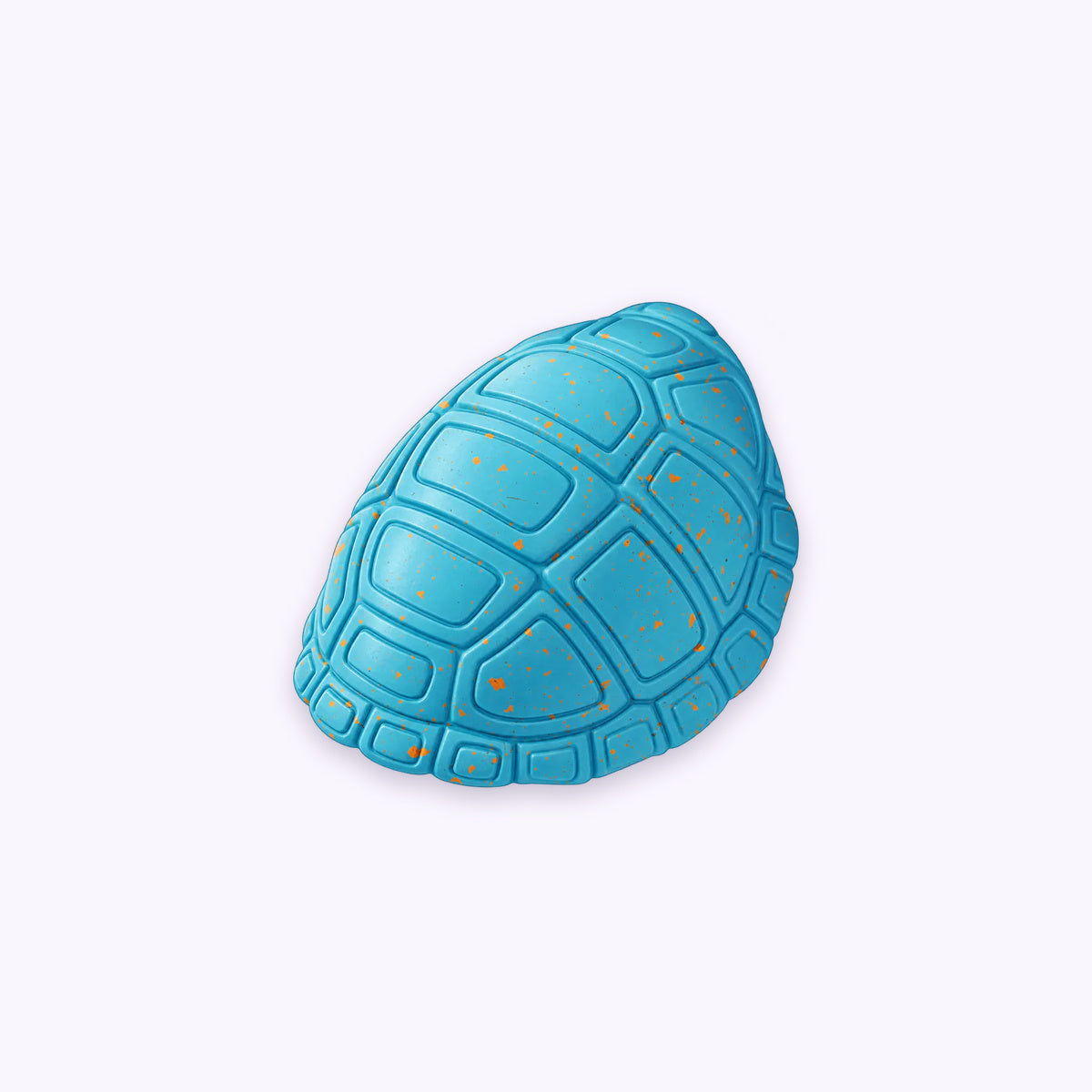
- チュースター タートルシェルおもちゃShop
For power chewers. Slow-release treat play for focused sniff & chew sessions
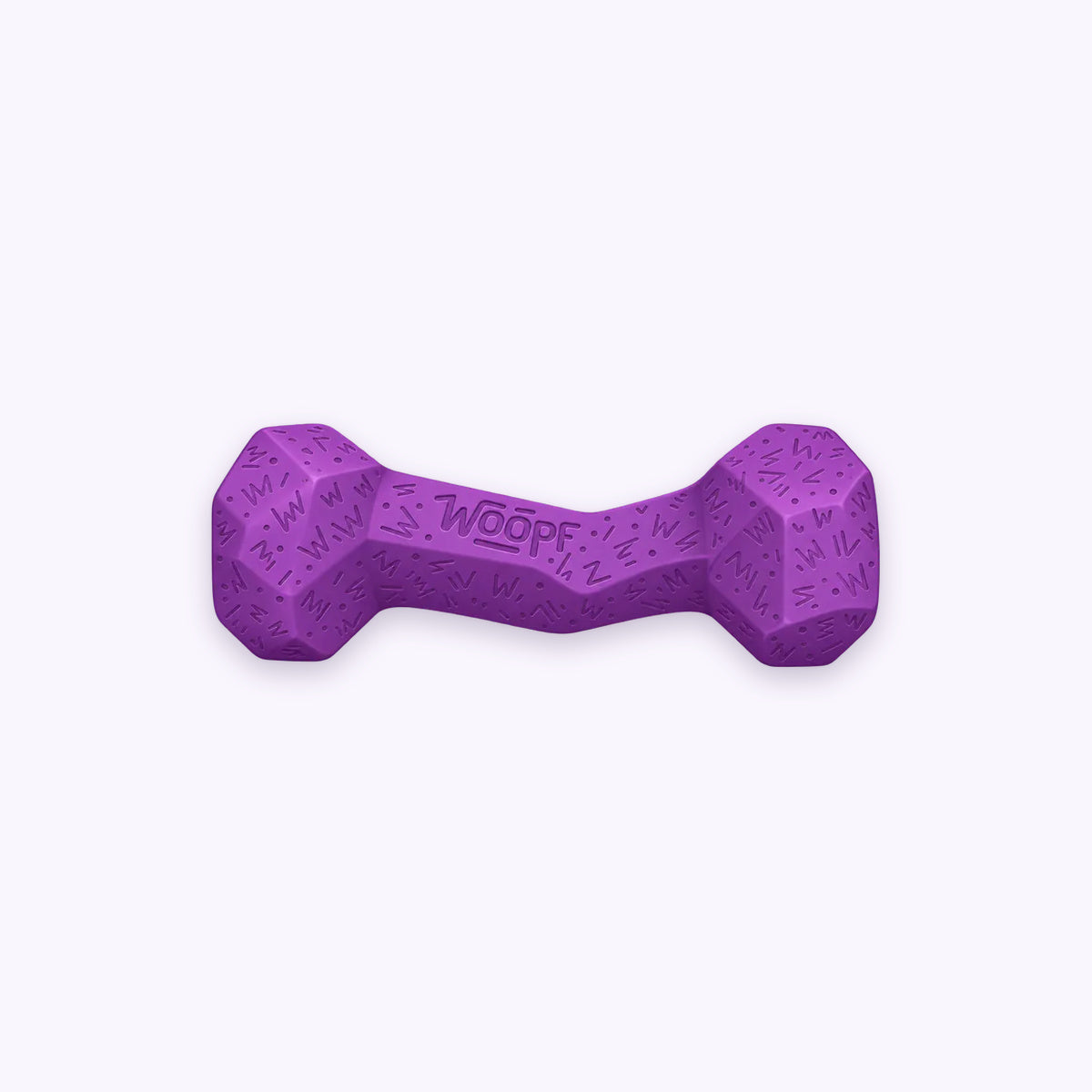
- チュースター ブロッキー ボーンShop
For power chewers. Roll, chase & earn treats through chew play