



Introduction: Crates Should Feel Like Safe Havens
Crate training is a vital part of puppy development, helping with potty training, safety, and alone-time confidence. But what if your puppy cries the moment the crate door shuts? As a veterinarian, I can assure you this is common — and solvable.
This guide explains:
- The most common reasons puppies cry in crates
- Vet-backed strategies to soothe and support your pup
- A step-by-step comfort routine
1. Why Do Puppies Cry in the Crate?
Crying in the crate is usually caused by one or more of the following:
- Separation anxiety or new environment stress
- Crate is cold, empty, or uninviting
- Need for potty, hunger, or discomfort
- Puppy wasn’t gradually introduced to the crate
Puppies don’t cry to manipulate; they cry to communicate. Understanding the cause helps you respond kindly and effectively.
2. Step-by-Step Crate Comfort Routine
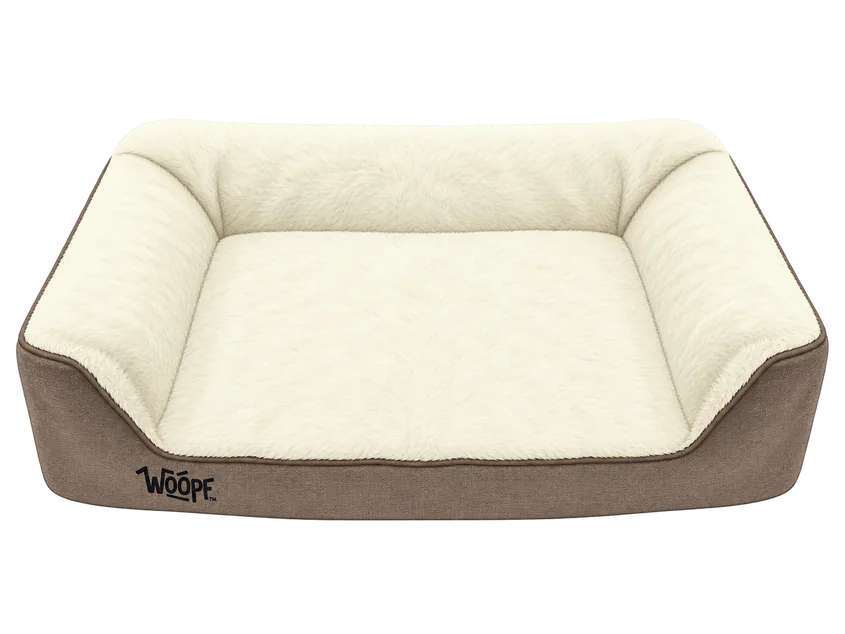
- Make it cozy: Soft bedding, heartbeat toys, and your scent on a blanket help.
- Use treats and toys: Start with an open-door crate and high-value chews or toys inside.
- Feed meals in the crate: This creates a positive association.
- Close the door for short times: Start with seconds, then minutes, while you're nearby.
- Leave a nightlight and white noise: Puppies feel safer with a calm environment.
3. Vet Tips for Calmer Crating
- Rule out medical issues: Pain or GI distress can make crate time miserable.
- Keep the crate in your room at first: It eases loneliness and encourages bonding.
4. Mistakes to Avoid
- Letting your pup "cry it out" for hours — this increases fear, not learning.
- Using the crate as punishment — it should feel safe, not scary.
- Ignoring cues for potty breaks or actual distress
5. Final Thoughts
Crate training takes time, trust, and patience. If your puppy cries, it means they need guidance, not punishment. Use the tips above to build a loving crate routine.
Recommended by Dr Duncan
Vet-designed gear for what you have just read about.
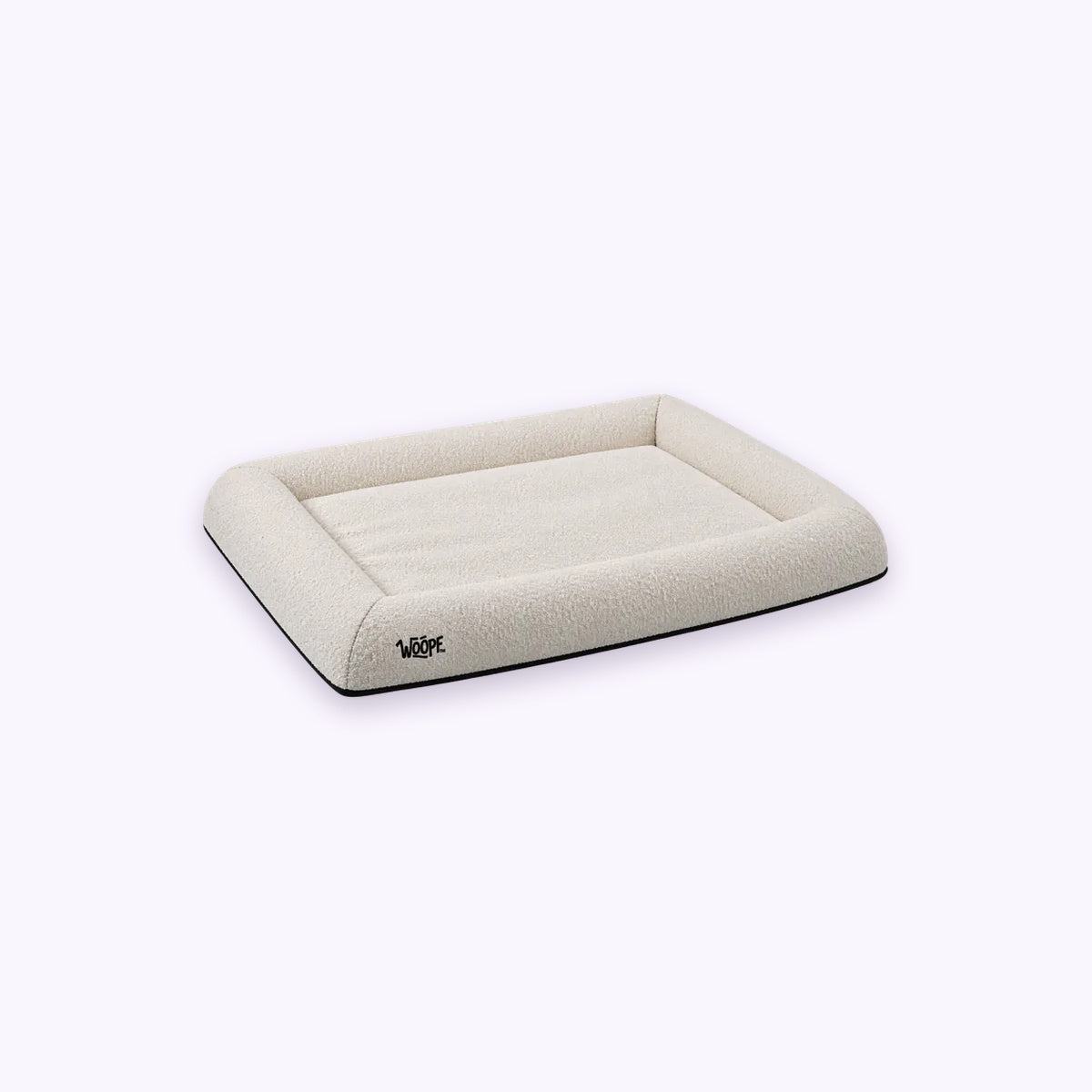
- SNÜZ Orthopedic Bouclé BedShop
Joint support, deeper sleep & pressure relief
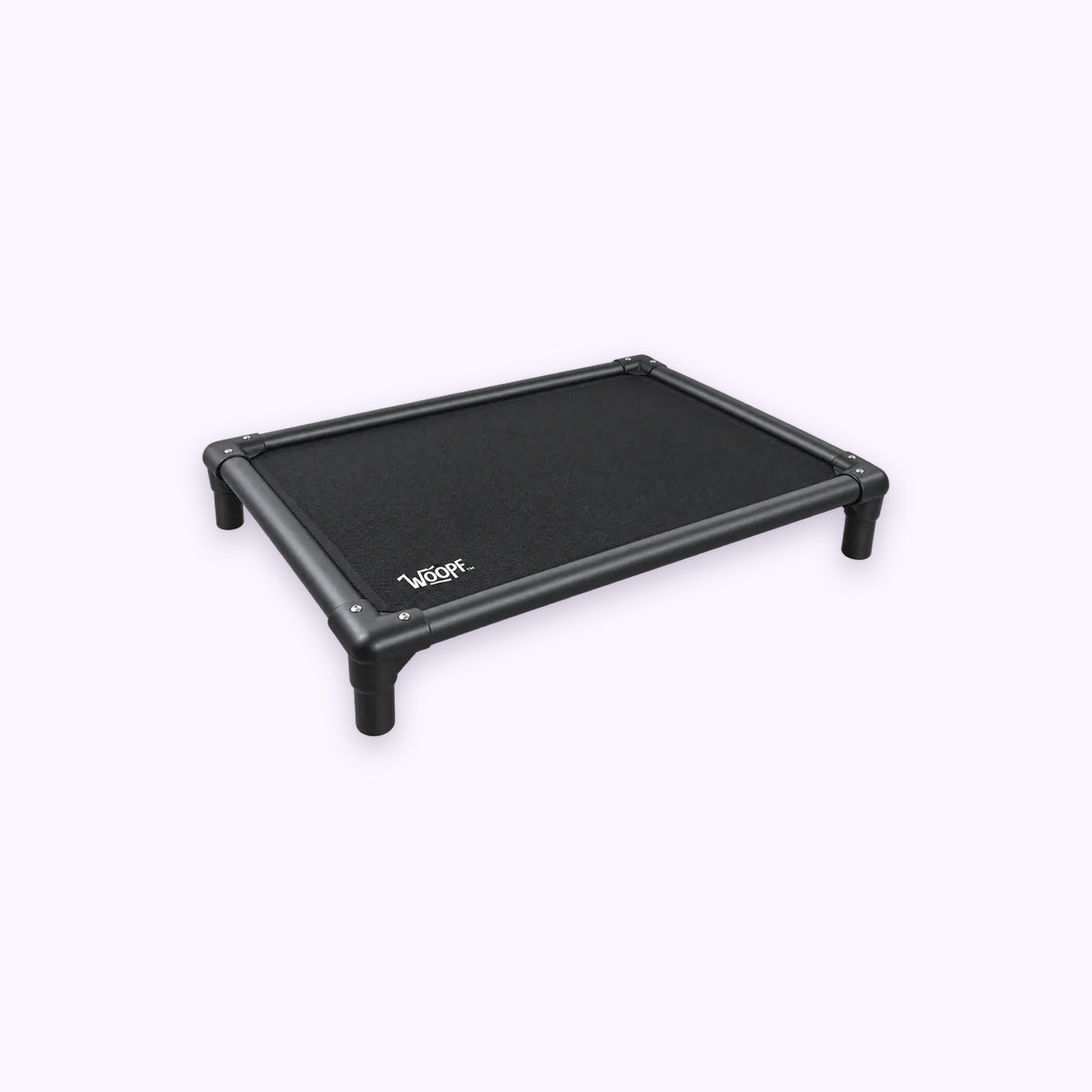
- Chew-Proof Dog HammockShop
For dogs that break beds, built for outdoor use
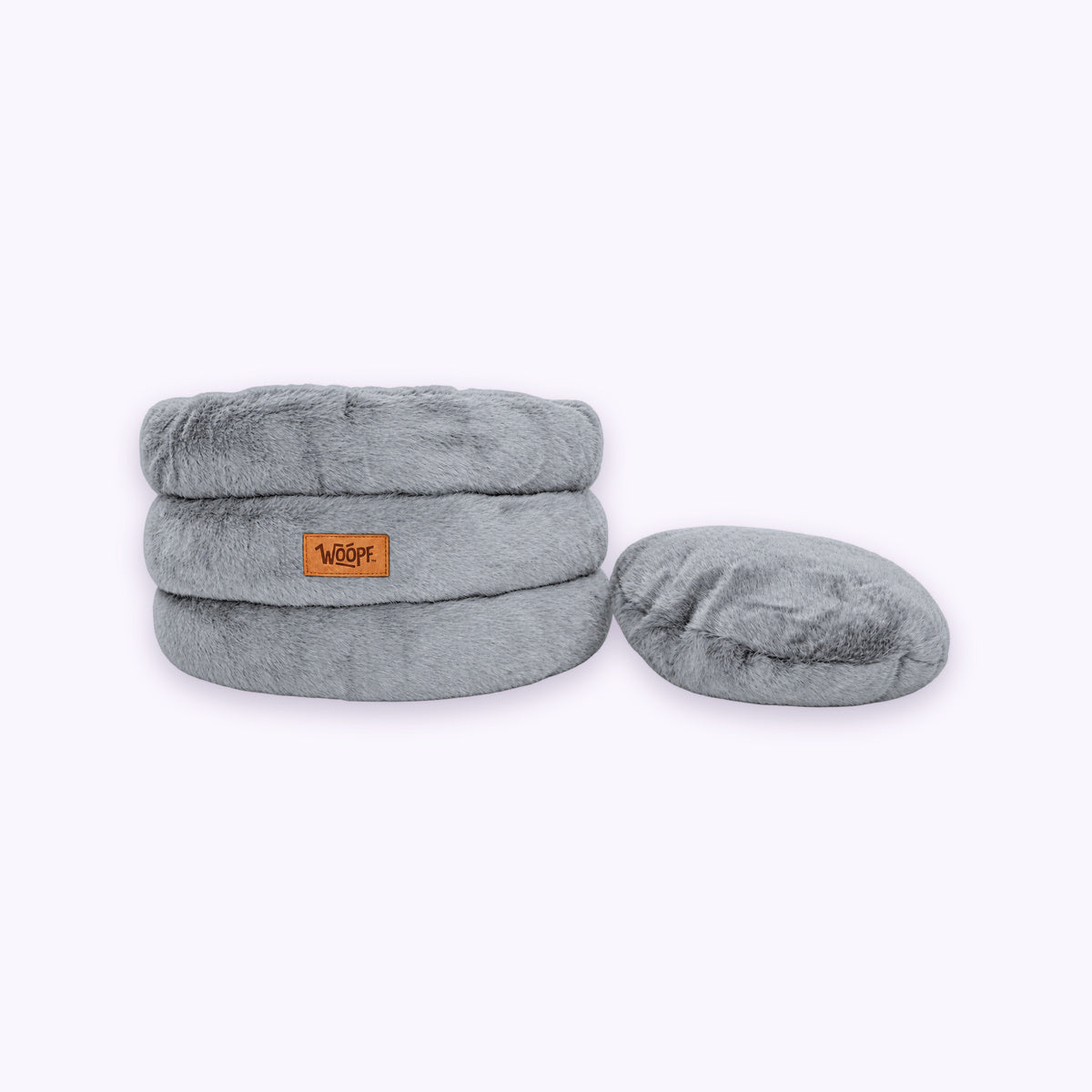
- Furry Range Round BedShop
Helps anxious dogs feel safe, settle faster, and sleep deeper