




In the world of dog nutrition, few debates are as passionate—or as confusing—as the one between raw, kibble, and fresh cooked diets. Some swear by raw for shinier coats and better stools. Others prefer kibble for convenience. And now, fresh subscription meals are everywhere. So which is best?
I’m Dr. Duncan Houston, veterinarian and founder of Woopf. After years of working in emergency and general practice, I’ve seen the good, bad, and dangerous sides of each diet. In this guide, I’ll give you a vet’s honest take on the pros, cons, and safest choices for your dog’s long-term health.
What Is a Raw Dog Food Diet?
A raw diet typically includes:
- Raw muscle meat (e.g., chicken, beef, lamb)
- Raw meaty bones (RMBs)
- Organ meats (e.g., liver, kidney)
- Optional veggies, eggs, and supplements
Pros:
- Shiny coat, firmer stools, better hydration (due to moisture content)
- Often more palatable for picky eaters
Cons:
- High risk of bacterial contamination (Salmonella, E. coli)
- Nutritional imbalances if not carefully formulated
- Unsafe for immunocompromised humans or pets in the home
Vet Verdict: Only feed raw if it’s commercially prepared and AAFCO complete—or formulated by a board-certified veterinary nutritionist.
What About Kibble (Dry Food)?
Kibble is the most commonly fed dog food worldwide, made by cooking a blend of meat, grains, and nutrients into dry, shelf-stable pellets.
Pros:
- Convenient, cost-effective, and easy to portion
- Usually complete and balanced (look for AAFCO label)
- Safe from pathogens due to high-heat processing
Cons:
- Lower moisture content = less hydration support
- Some brands contain cheap fillers or vague meat sources
- Not as exciting for picky eaters
Vet Tip: Not all kibble is created equal. Choose reputable brands that publish feeding trials, source quality ingredients, and follow WSAVA guidelines.
What Is FreshCooked Dog Food?
Fresh food is gently cooked and packaged (often frozen or refrigerated) and delivered via subscription or sold in stores.
Pros:
- Highly palatable and easy to digest
- Minimally processed with whole food ingredients
- Often customized to age, weight, or allergies
Cons:
- More expensive than raw or kibble
- Requires fridge or freezer storage
- May be unbalanced if home-cooked without a vet nutritionist
Vet Verdict: Fresh food is an excellent choice—if it’s vet-formulated and nutritionally complete.
Diet Comparison Table
| Category | Raw | Kibble | Fresh |
|---|---|---|---|
| Nutritional Balance | Often incomplete if homemade | Usually balanced | If vet-formulated |
| Safety | Bacterial risks | High safety due to processing | Very safe if stored properly |
| Palatability | High | Moderate | High |
| Cost | High (if commercial) | Budget-friendly | Premium pricing |
| Hydration Support | High | Low | High |
VetBacked Feeding Tips
- Choose diets that follow AAFCO/WSAVA standards
- Monitor your dog’s weight, coat, energy, and stools monthly
- Transition diets gradually over 5–7 days
- Prioritize consistency—don’t switch constantly based on trends
What Dog Parents Say
“We feed a mix of kibble and fresh. The balance is perfect for our budget and our dog’s sensitive stomach.” – Hannah & Willow
“Raw worked great at first, but switching to gently cooked meals gave us peace of mind and fewer vet visits.” – Jamie K.
Woopf Feeding Walk Essentials
- Woopf Dual Pocket Dispenser – Store treats for walks and rewards
- Explorer Harness – Safe fit for postmeal strolls
- Bungee Lead – Gentle control after mealtime or training
Final Thoughts
There’s no one-size-fits-all answer, but there is a safe, smart choice for every dog. Whether you go with kibble, raw, or fresh, stick with brands that prioritize quality, balance, and real veterinary science. Your dog’s future health depends on it.
Recommended by Dr Duncan
Vet-designed gear for what you have just read about.
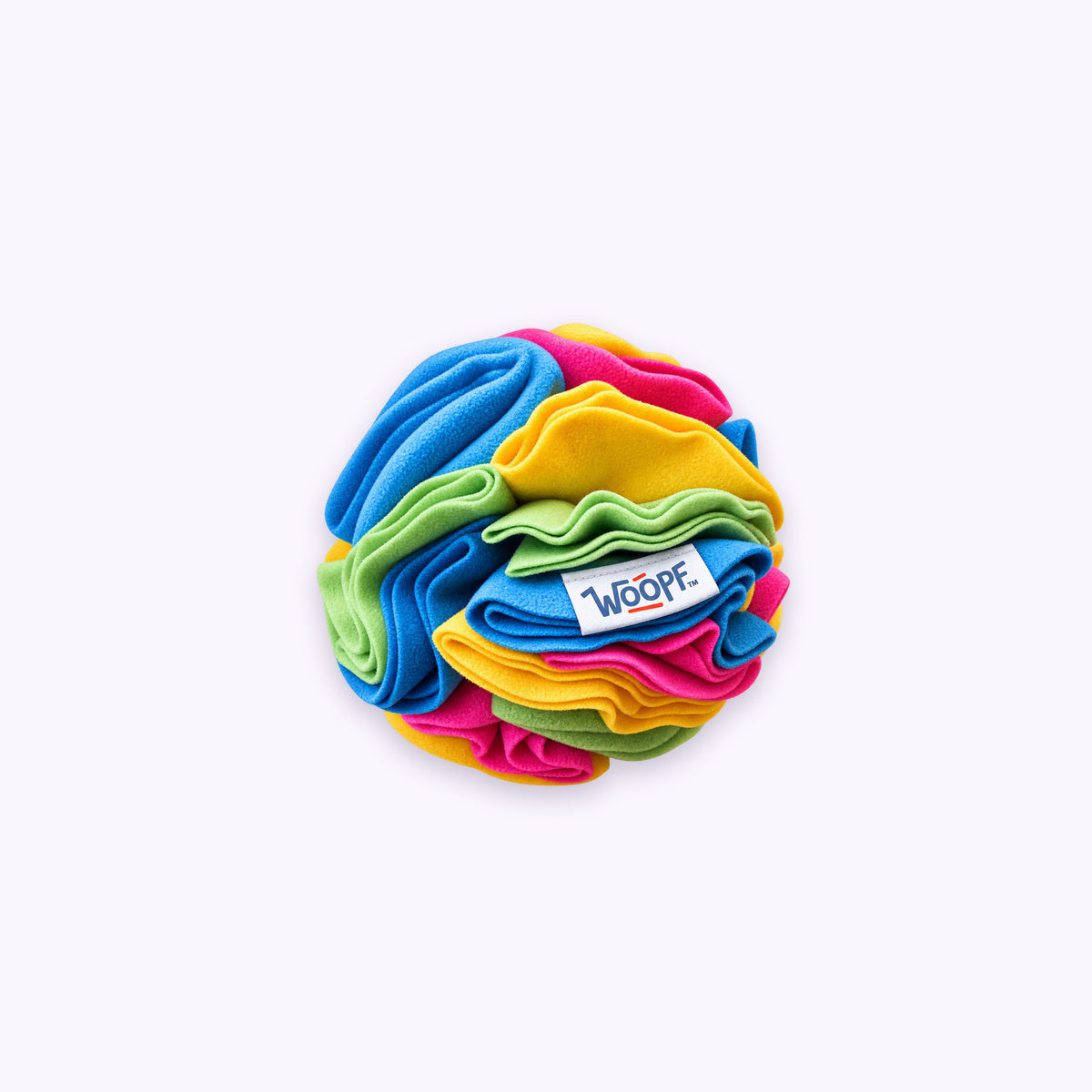
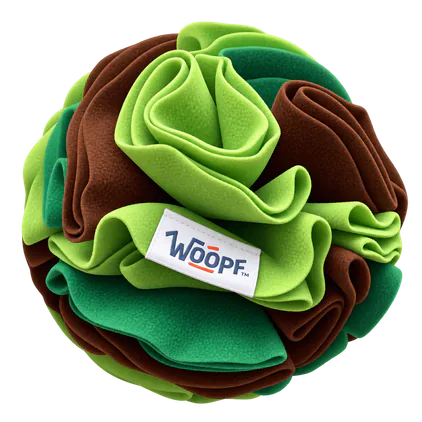
- Schnüffelball mit KnistereffektShop
Hide treats & keep dogs engaged through sniff, search & crackle sounds
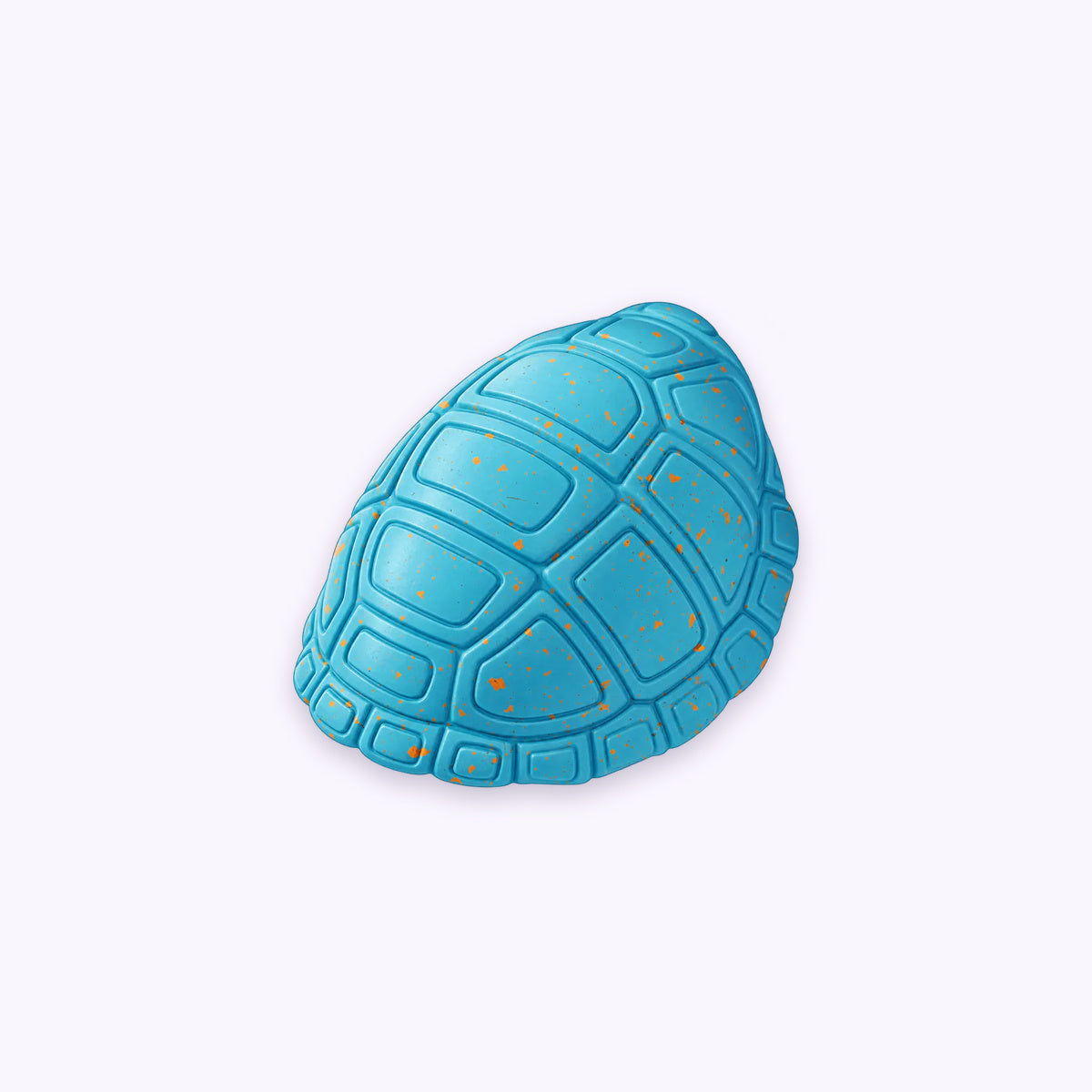
- Chewster Schildkröten-SpielzeugShop
For power chewers. Slow-release treat play for focused sniff & chew sessions
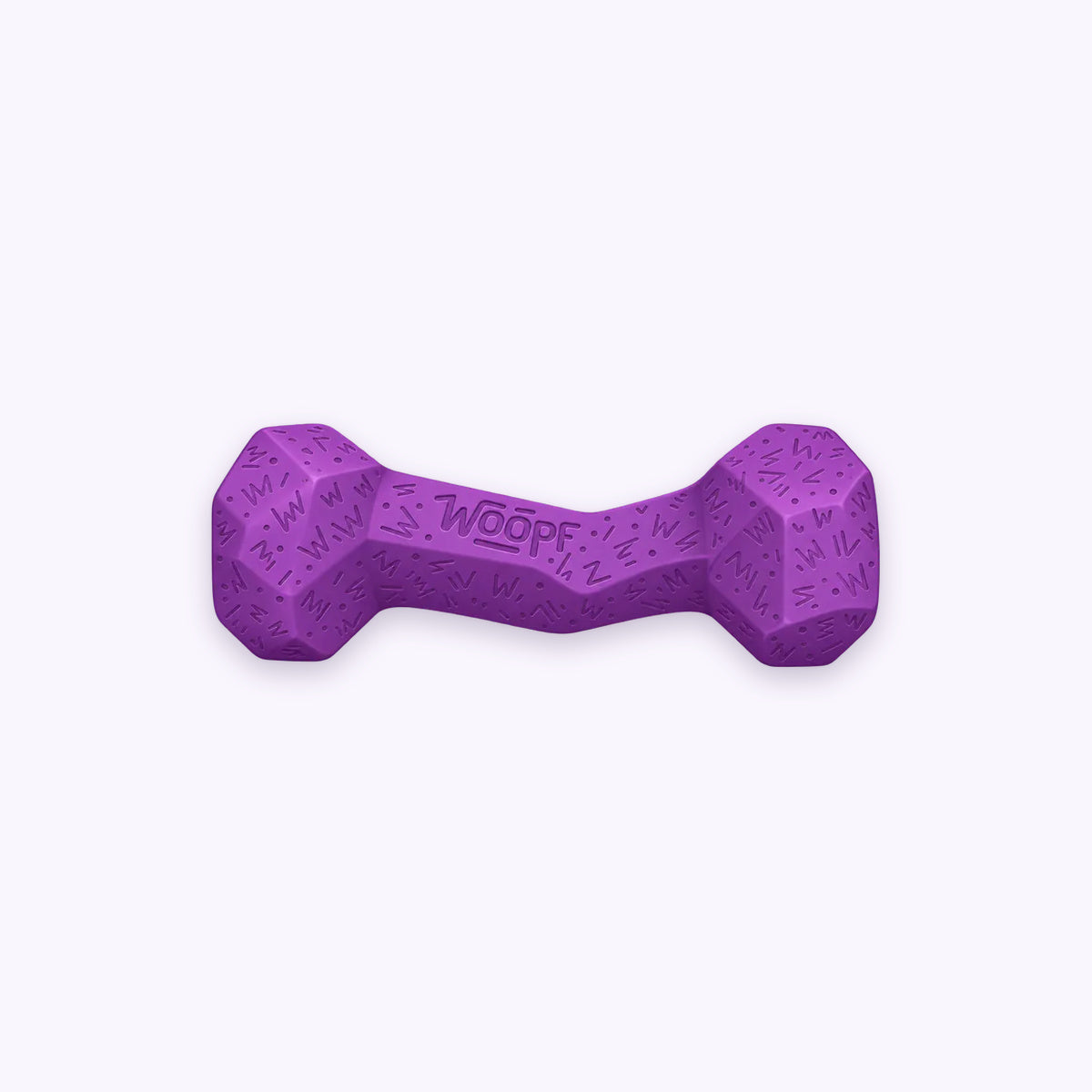
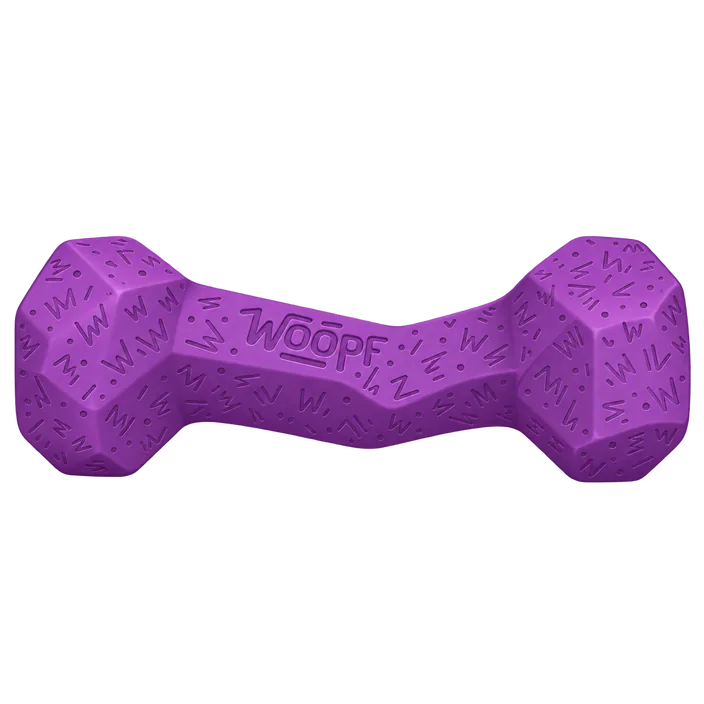
- Chewster Blocky KnochenShop
For power chewers. Roll, chase & earn treats through chew play