

Dogs captivate us with their incredible diversity in size, shape, and color. Among all the variations, one feature that stands out is the coat — its length, texture, and type can differ dramatically, even among dogs of the same color. In this article, we’ll explore white dogs, looking closely at why some have long or short hair, and why certain breeds have single or double coats.
🐕 Coat Length: The Long and Short of It
The length of a dog’s coat is influenced by several factors: breed, genetics, environment, and health. Understanding these can help dog owners care for their pets better.
-
Breed – Some breeds are naturally long-haired, while others are short-haired. For example:
-
Long-haired: Afghan Hound, Samoyed
-
Short-haired: Dalmatian, Italian Greyhound
These traits were selectively bred for aesthetics, function, or climate adaptability.
-
-
Genetics – Even within a single breed, genetic variation can result in puppies with different coat lengths. Long hair genes may skip generations or appear unexpectedly in offspring.
-
Environmental Conditions – Dogs’ coats often adapt to their surroundings:
-
Cold climates → Longer, denser coats for insulation
-
Warm climates → Shorter, lighter coats to prevent overheating
-
-
Health Status – Diet, hormones, and overall health can impact coat length and texture. Nutritional deficiencies, parasites, or hormonal issues may lead to thinner, shorter, or patchy fur. Proper grooming and a balanced diet are crucial to maintaining a healthy coat.
🧵 Single vs. Double Coats: How Climate Shapes Fur
Beyond length, dogs can have either a single coat or a double coat, and this is largely influenced by their breed’s historical climate adaptation.
1. Single Coats
-
Structure: One layer of fur, varying in density and length.
-
Purpose: Protects against sun damage and provides moderate insulation.
-
Ideal For: Temperate or warmer climates.
-
Example: White Italian Greyhound — sleek, short, single-layer coat perfect for mild or hot environments.
2. Double Coats
-
Structure: Two distinct layers:
-
Topcoat/Guard hairs: Long, coarse hairs that repel water and dirt
-
Undercoat: Soft, dense layer that insulates against temperature extremes
-
-
Function:
-
Cold weather → Thick undercoat keeps the dog warm
-
Hot weather → Insulates against heat, and dogs shed undercoat to stay cool
-
-
Example: White Siberian Husky or Samoyed — double coats evolved for survival in harsh, variable climates
Double-coated dogs naturally “blow” their undercoat seasonally, shedding old fur to adjust to warmer weather, and grow thicker undercoats in colder months.
🌟 Why It Matters
Even within white dogs, coat length and type differ because of evolutionary adaptation, selective breeding, and genetics. From the long, plush double coat of a Samoyed to the short, smooth single coat of an Italian Greyhound, each coat type serves a functional purpose — protecting the dog, regulating temperature, and ensuring comfort in its environment.
Understanding these differences helps owners provide the best care, from grooming to climate management. Regular brushing for long or double coats, sun protection for single-coated breeds, and a balanced diet tailored to coat health are essential steps in keeping your white dog happy, healthy, and comfortable.
✅ Key Takeaways
-
Coat length and type are shaped by breed, genetics, environment, and health.
-
Single coats are one layer, suited for milder climates.
-
Double coats have two layers, adapted for extreme temperature variations.
-
Regular grooming and proper nutrition are critical for maintaining coat health.
Whether your white dog has a silky short coat or a luxurious double-layered coat, each is a natural marvel perfectly adapted for its lifestyle.
Recommended by Dr Duncan
Vet-designed gear for what you have just read about.
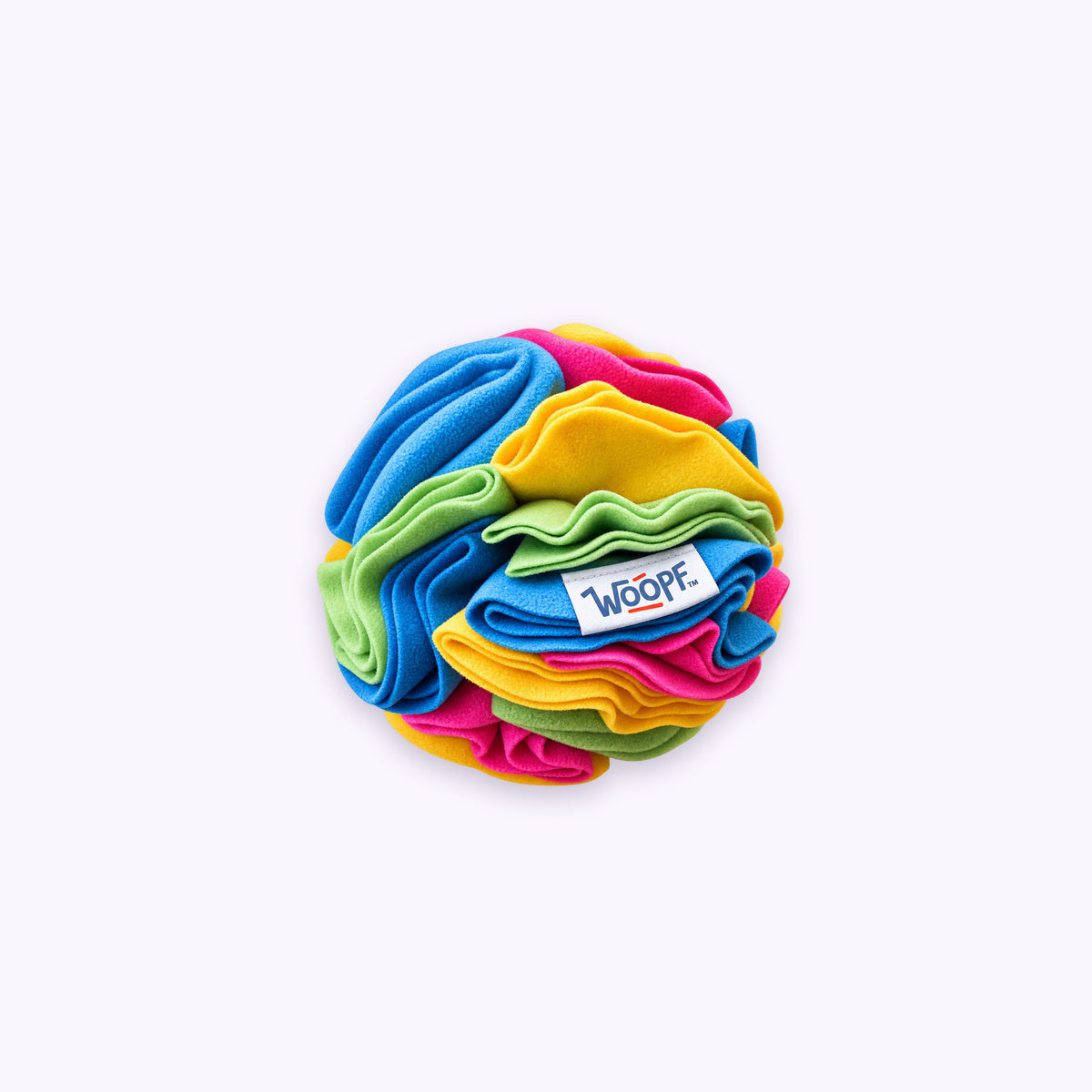
- Schnüffelball mit KnistereffektShop
Hide treats & keep dogs engaged through sniff, search & crackle sounds
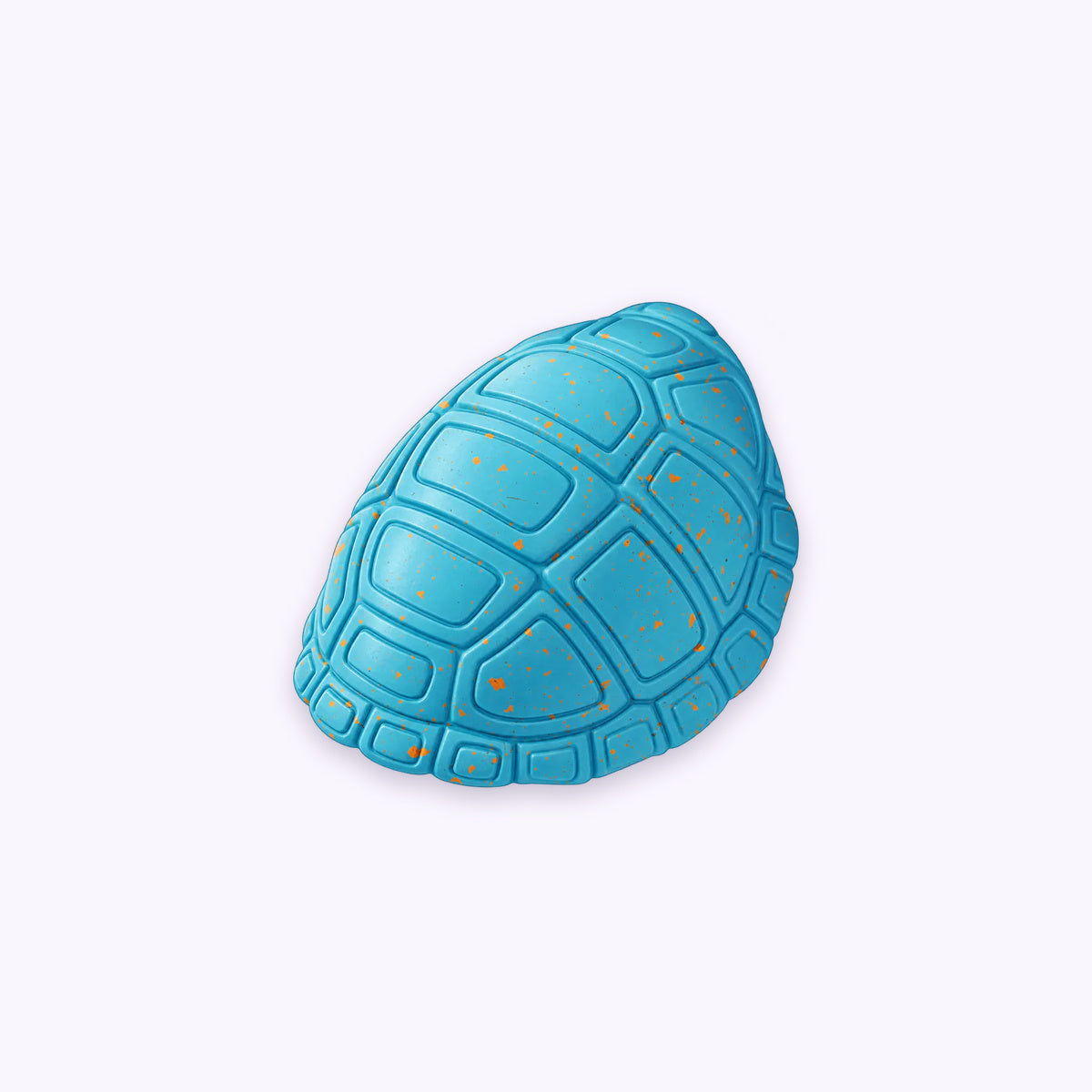
- Chewster Schildkröten-SpielzeugShop
For power chewers. Slow-release treat play for focused sniff & chew sessions
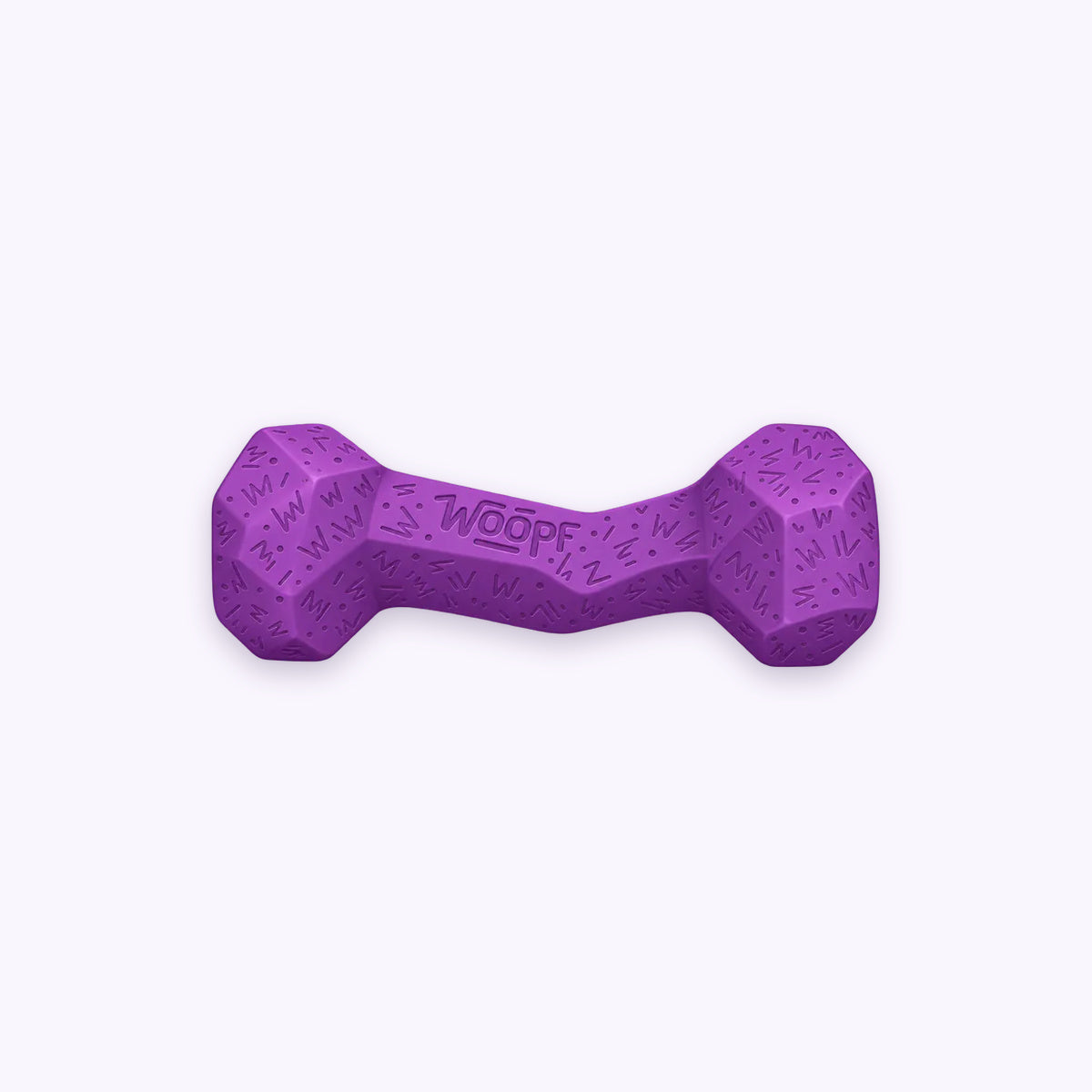
- Chewster Blocky KnochenShop
For power chewers. Roll, chase & earn treats through chew play