



Does your dog magically slip out of their harness mid-walk? It’s a common and dangerous problem—especially for anxious, reactive, or newly adopted dogs.
As a veterinarian and founder of Woopf, I’ve seen dozens of escape cases turn into emergencies. The good news? With proper fit, gear, and training, it’s completely preventable.
Why Dogs Escape Their Harnesses
- Harness is too loose or improperly adjusted
- Dog backs up quickly and slips through the neck or belly opening
- Wrong harness type for body shape (deep-chested or lean dogs)
- Harness is associated with fear, causing panic and flight attempts
1. Check the Fit (2-Finger Rule Isn’t Enough)
For escape-prone dogs, use the 2-finger rule plus:
- Chest strap sits just behind the elbows—not under the armpits
- Neck opening cannot be pulled over the head when dog backs up
- Harness does not shift to the side when walking
Read the full guide on fit here → How Tight Should a Dog Harness Be?
2. Choose the Right Escape-Proof Harness
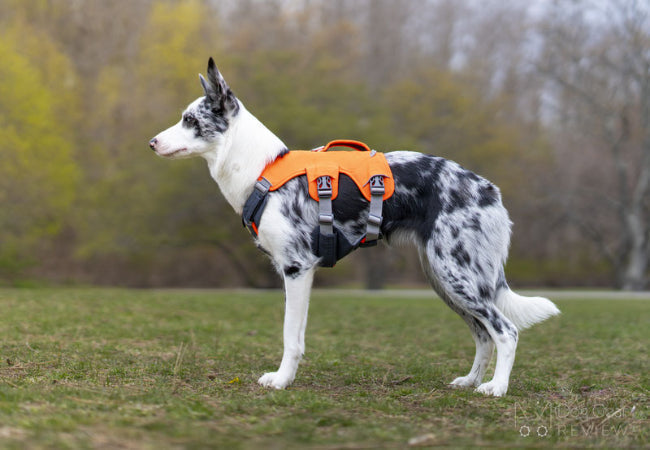
Woopf Explorer Harness
Designed with an adjustable Y-front and dual D-ring system, this harness prevents twisting, shifting, and slipping—even during sudden backward movement.
Woopf Sherpa Harness
Perfect for smaller breeds and puppies. Offers soft, form-fitting comfort while reducing gaps around the chest and shoulders.
3. Add a Safety Back-Up Clip
Attach a carabiner from the harness D-ring to your dog’s collar. If they slip the harness, they’re still secured by the collar (especially important for rescues).
4. Rule Out Anxiety or Pain
If your dog bolts when you reach for the harness, the issue may be fear, trauma, or discomfort.
5. Train Calm Harness Tolerance
Step-by-Step:
- Place the harness on floor with high-value treats
- Reward sniffing, touching, and stepping near it
- Gently clip on for 5–10 seconds, then remove and reward
- Gradually increase wear time before walks
Avoid These Common Mistakes
- Buying “room to grow” harnesses for puppies—dangerous and easy to slip
- Using cheap, stiff harnesses that don’t adjust properly
- Attaching leash to back only on anxious or reactive dogs (front clip gives more control)
Extra Safety Tips for Escape Artists
- Use a bungee lead to reduce sudden jolts or lunging pressure
- Clip your treat + bag pouch to the harness for faster reward delivery
- Reward every 5–10 steps on walks to reinforce calmness and focus
Shop Escape-Resistant Gear from Woopf
- Explorer Harness – Dual-clip, secure Y-front structure
- Sealskin Waterproof Harness – Easy-clean, low-slip fit
- Shock-Absorbing Lead – Reduces strain during reactivity
Final Thoughts
If your dog keeps escaping their harness, don’t panic. Fit, gear, and training can fix the issue in most cases. Use a vet-approved, escape-resistant harness and reinforce calm walking behavior from the start.
Recommended by Dr Duncan
Vet-designed gear for what you have just read about.
- Arnés Antitirones ExplorerShop
No-pull training harness with adjustable fit
- Bolsas Poop & Go 100% CompostablesShop
100% compostable & plant-based
- Correa Elástica ExplorerShop
Run together. Designed for pullers & high-energy dogs