

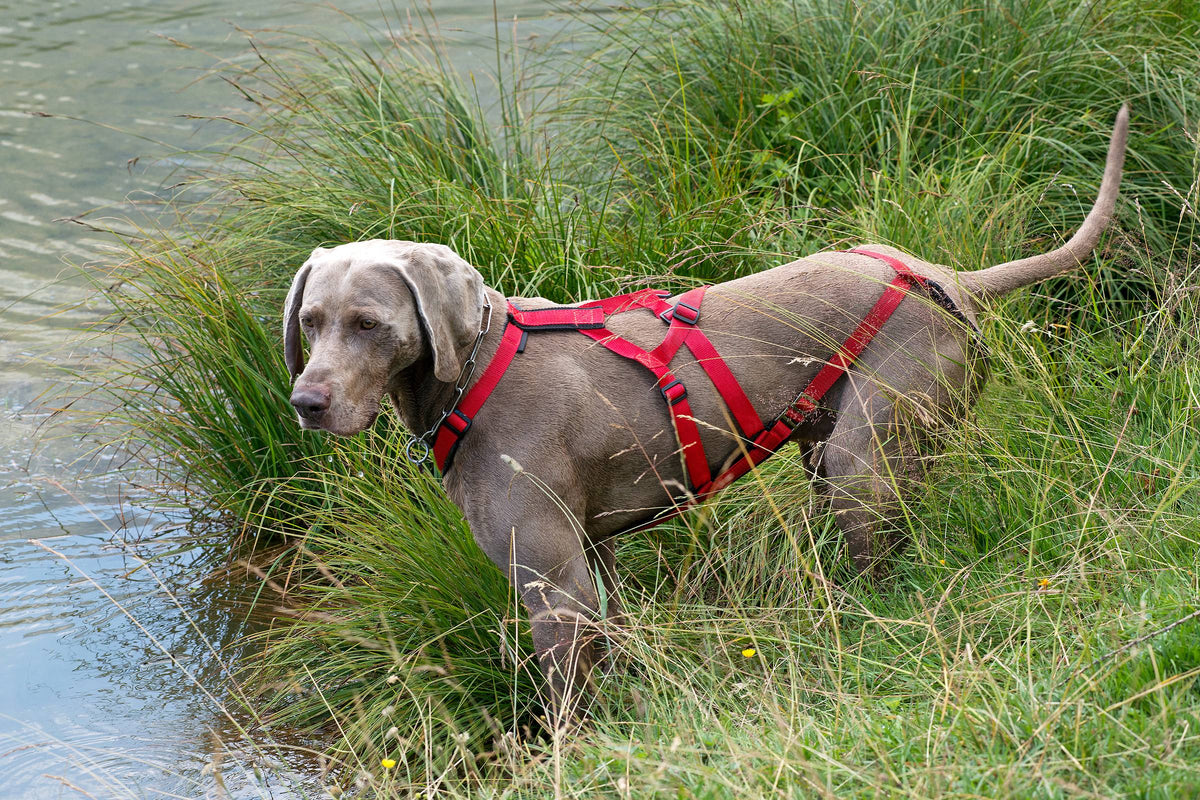


Does your dog bolt, cower, or freeze when you reach for their harness? You’re not alone—and your dog isn’t being dramatic. As a veterinarian and designer at Woopf, I’ve worked with hundreds of dogs who hated their harness, and in most cases, the fix was simple and stress-free.
Let’s walk through the 9 most common reasons dogs reject harnesses, what the science says, and how to help your pup feel safe and comfortable again.
🐾 1. The Harness Doesn’t Fit Properly
This is the #1 cause. If the harness is too tight, it can cause rubbing, nerve pressure, or even inhibit shoulder movement. If it’s too loose, it feels unstable and scary.
Fix: Use the two-finger rule and follow our full Woopf Fit Guide.
🎽 2. It Touches Sensitive Areas
Dogs don’t love pressure on their armpits, groin, or belly. If the harness presses on sensitive skin, they may try to bite, wiggle, or avoid it.
Fix: Choose a design like the Woopf Explorer Harness that avoids sensitive zones with Y-front ergonomic padding.
🔊 3. The Harness Makes Noises
Cheap buckles, velcro, or crinkly materials can startle noise-sensitive dogs. Some dogs associate the "click" sound with something negative.
Fix: Introduce it slowly with treats and choose high-quality, smooth-buckle designs like Woopf’s.
🐕 4. It’s Associated with a Negative Experience
If your dog got scared, punished, or injured while wearing the harness, they might have developed a fear association.
Fix: Reintroduce it positively. Lay the harness down, reward sniffing it, then gradually increase contact while rewarding.
🧠 5. Your Dog Was Never Desensitized
Dogs that weren’t exposed to harnesses during the socialization window (3–14 weeks) may struggle later in life.
Fix: Desensitization takes time and patience. Start indoors, keep sessions short, and use high-value rewards.
🐩 6. The Harness Restricts Their Movement
Shoulder pressure or poor strap placement can throw off your dog’s natural stride. This is especially harmful in growing dogs.
Science: Research in Elsevier’s Applied Animal Behaviour Science confirms restricted gait and long-term orthopedic risk from poorly designed harnesses.
Fix: Use a harness with full-range shoulder freedom and chest stability like the Sherpa Harness (lightweight + low pressure).
😨 7. It's Difficult or Awkward to Put On
Harnesses that go over the head, twist awkwardly, or require complicated steps can confuse or annoy your dog.
Fix: Try a step-in or quick-buckle style. All Woopf harnesses are designed for speed, ease, and low contact.
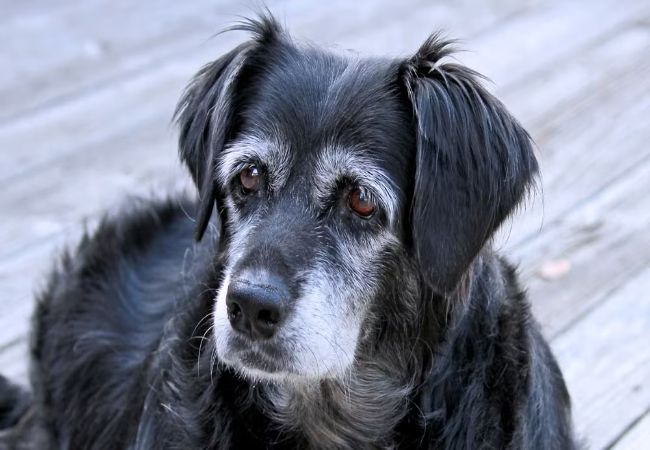
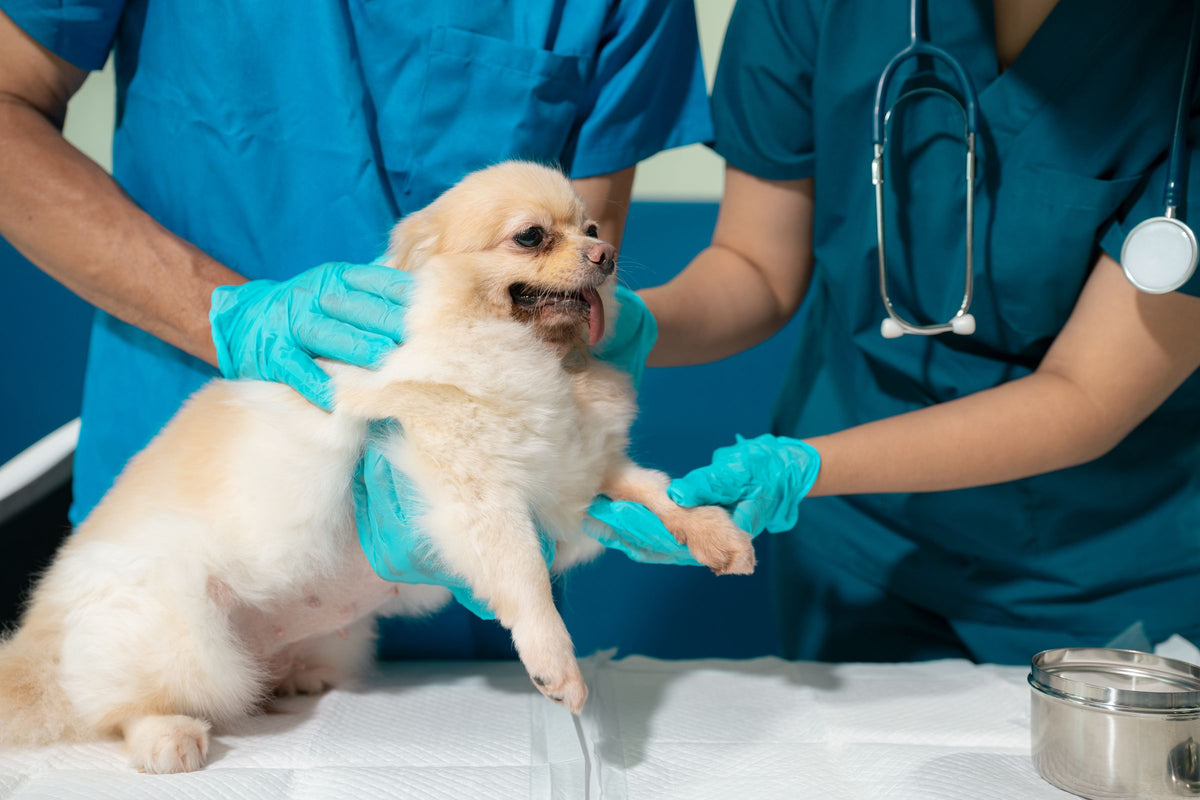
🩺 8. Your Dog Has Pain or Skin Issues
Dogs with arthritis, post-surgical soreness, or dermatitis may flinch when touched or harnessed.
📦 9. The Harness Is Low Quality or Worn Out
Cheap materials can pinch, fray, or create pressure points. Worn-out straps lose structure and cause uneven pulling or slipping.
Fix: Invest in premium, vet-designed gear like the Woopf Explorer or Sealskin Waterproof Harness.
👩⚕️ How to Help Your Dog Learn to Love Their Harness
Step 1: Let them sniff and explore the harness off-body with no pressure.
Step 2: Touch their body with it gently while rewarding.
Step 3: Clip it on for a few seconds, then remove it and reward.
Step 4: Increase wear time gradually indoors before going on walks.
Use a dual pocket dispenser to keep treats on hand while training.
🎁 Products That Make Harness Time Better
- Explorer Harness: Fully adjustable, padded, escape-resistant
- Pocket Raincoat: Helps fearful dogs feel protected on walks
Conclusion
If your dog hates their harness, don’t panic—and don’t give up. It’s usually a fixable issue with the right combination of fit, patience, and positive reinforcement.
Recommended by Dr Duncan
Vet-designed gear for what you have just read about.
- Arnés Antitirones ExplorerShop
No-pull training harness with adjustable fit
- Bolsas Poop & Go 100% CompostablesShop
100% compostable & plant-based
- Correa Elástica ExplorerShop
Run together. Designed for pullers & high-energy dogs