





Arthritis is a common condition in dogs, especially as they age. However, it can sometimes be difficult to recognize because dogs are good at hiding pain. Understanding the subtle signs can help you detect arthritis early and improve your dog’s quality of life.
🔹 Common Signs of Arthritis in Dogs
-
Stiffness and Difficulty Moving
-
Dogs with arthritis often struggle to get up from lying or sitting positions.
-
They may hesitate to climb stairs, jump onto furniture, or display general stiffness in their movements, particularly after resting.
-
-
Limping or Favoring a Limb
-
If your dog is limping or consistently favoring one leg, it could indicate joint pain or arthritis in that limb.
-
Limping may come and go, especially after periods of activity.
-
-
Reluctance to Play or Exercise
-
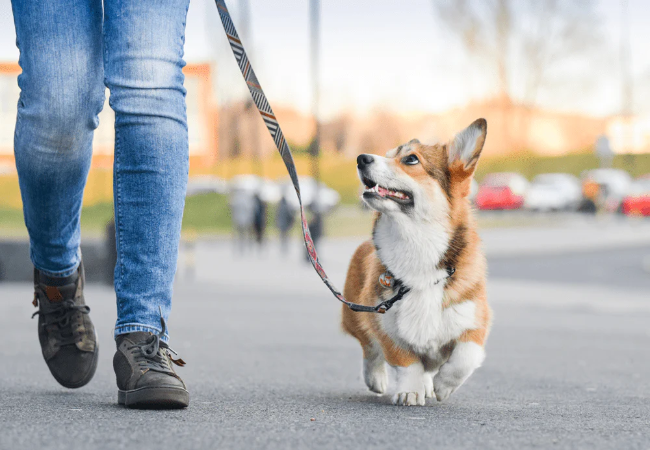
A sudden decrease in activity or reluctance to join walks, play fetch, or engage in favorite activities can be an early sign.
-
-
Swollen or Warm Joints
-
Arthritic joints may appear visibly swollen or feel warm to the touch.
-
This is a sign of inflammation and can indicate moderate to severe arthritis.
-
-
Pain When Touched
-
Dogs with arthritis may react when you touch or handle affected joints, showing signs such as whining, pulling away, or snapping.
-
-
Changes in Gait
-
Look for changes such as a stiff, short stride or a “bunny hop” motion when running.
-
Altered gait helps reduce pressure on painful joints.
-
-
Behavioral Changes
-
Pain can affect your dog’s mood. Signs may include irritability, aggression, withdrawal, or reduced social interaction.
-
-
Decreased Flexibility
-
Your dog may have trouble grooming themselves, reaching certain areas, or performing movements they previously handled easily.
-
🔹 Diagnosing Arthritis
If you suspect your dog has arthritis:
-
Consult your veterinarian for a thorough assessment.
-
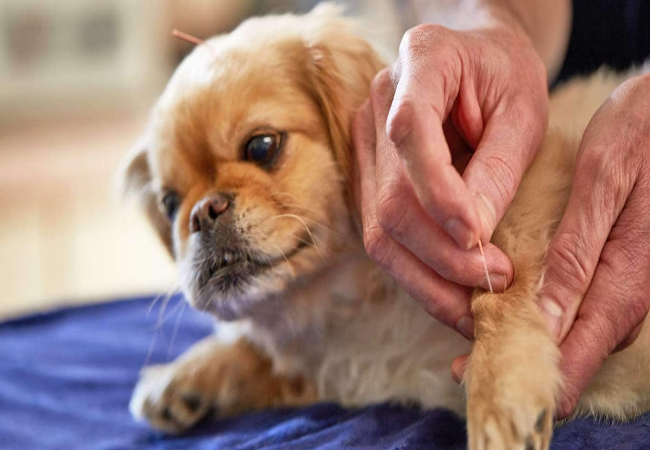
Your vet may perform a physical examination and check joint range of motion.
-
Diagnostic tests such as X-rays, bloodwork, or joint fluid analysis may be recommended to confirm arthritis and rule out other conditions.
Early diagnosis is critical. With proper management, including medications, supplements, weight management, and physical therapy, dogs with arthritis can continue to live active and happy lives.
🔹 Supporting a Dog with Arthritis
-
Provide comfortable bedding with adequate cushioning.
-
Consider joint supplements (like glucosamine or omega-3 fatty acids) after vet approval.
-
Maintain a healthy weight to reduce pressure on joints.
-
Modify exercise to include low-impact activities, like swimming or gentle walks.
Detecting arthritis early allows you to take proactive steps to reduce your dog’s pain and maintain their mobility. Watch for these signs, consult your vet promptly, and provide supportive care to help your furry friend enjoy a better quality of life.
Recommended by Dr Duncan
Vet-designed gear for what you have just read about.
- Lit Orthopédique Vétérinaire SNÜZ (Boucle)Shop
Joint support, deeper sleep & pressure relief
- Lit Rond Gamme FurryShop
Helps anxious dogs feel safe, settle faster, and sleep deeper
- Hamac Chien Résistant à la MâchouilleShop
For dogs that break beds, built for outdoor use