



Vomiting in dogs can happen for many reasons, ranging from mild digestive upset to serious medical conditions. Understanding why your dog vomits can help you decide when to monitor at home and when to seek veterinary care.
Common Causes of Vomiting
1. Dietary Indiscretion
Dogs love to explore with their mouths. Eating garbage, spoiled food, or foreign objects can irritate or block their gastrointestinal tract, causing vomiting.
2. Gastroenteritis
Inflammation of the stomach and intestines, often caused by bacteria, viruses, or parasites, can lead to frequent vomiting.
3. Food Allergies or Intolerance
Some dogs react poorly to specific ingredients in their food, resulting in nausea and vomiting.
4. Overeating or Eating Too Fast
Eating large meals too quickly can upset a dog’s stomach and trigger vomiting. Slow-feeder bowls can help prevent this.
5. Poisoning
Ingesting toxic substances—like certain plants, chemicals, or medications—can cause immediate vomiting and require urgent veterinary attention.
Serious Medical Causes
6. Bloat or Gastric Torsion
This life-threatening condition occurs when the stomach twists, trapping gas and fluids. Dogs may retch without producing anything. Immediate veterinary care is critical.
7. Pancreatitis
Inflammation of the pancreas can cause vomiting, abdominal pain, and diarrhea. A vet can recommend dietary adjustments and treatment.
8. Kidney or Liver Disease
When these organs are not functioning properly, toxins build up in the body, leading to vomiting among other symptoms.
9. Inflammatory Bowel Disease (IBD)
Chronic inflammation of the digestive tract can cause recurrent vomiting, diarrhea, and weight loss. Long-term management may involve diet and medication.
10. Motion Sickness
Some dogs feel nauseous during car rides or travel, which can result in vomiting. Gradual acclimation and anti-nausea measures can help.
When to Contact a Veterinarian
-
Vomiting is frequent
-
Vomiting is accompanied by lethargy, diarrhea, blood, or abdominal pain
-
Your dog shows signs of bloat, poisoning, or organ dysfunction
Early intervention can prevent complications and ensure your dog receives the appropriate treatment.
Tip: Keep a close eye on your dog’s eating habits, environment, and behavior. Regular vet check-ups and a balanced diet can help prevent many causes of vomiting.
Recommended by Dr Duncan
Vet-designed gear for what you have just read about.
- Balle Renifleur avec Bruits CraquantsShop
Hide treats & keep dogs engaged through sniff, search & crackle sounds
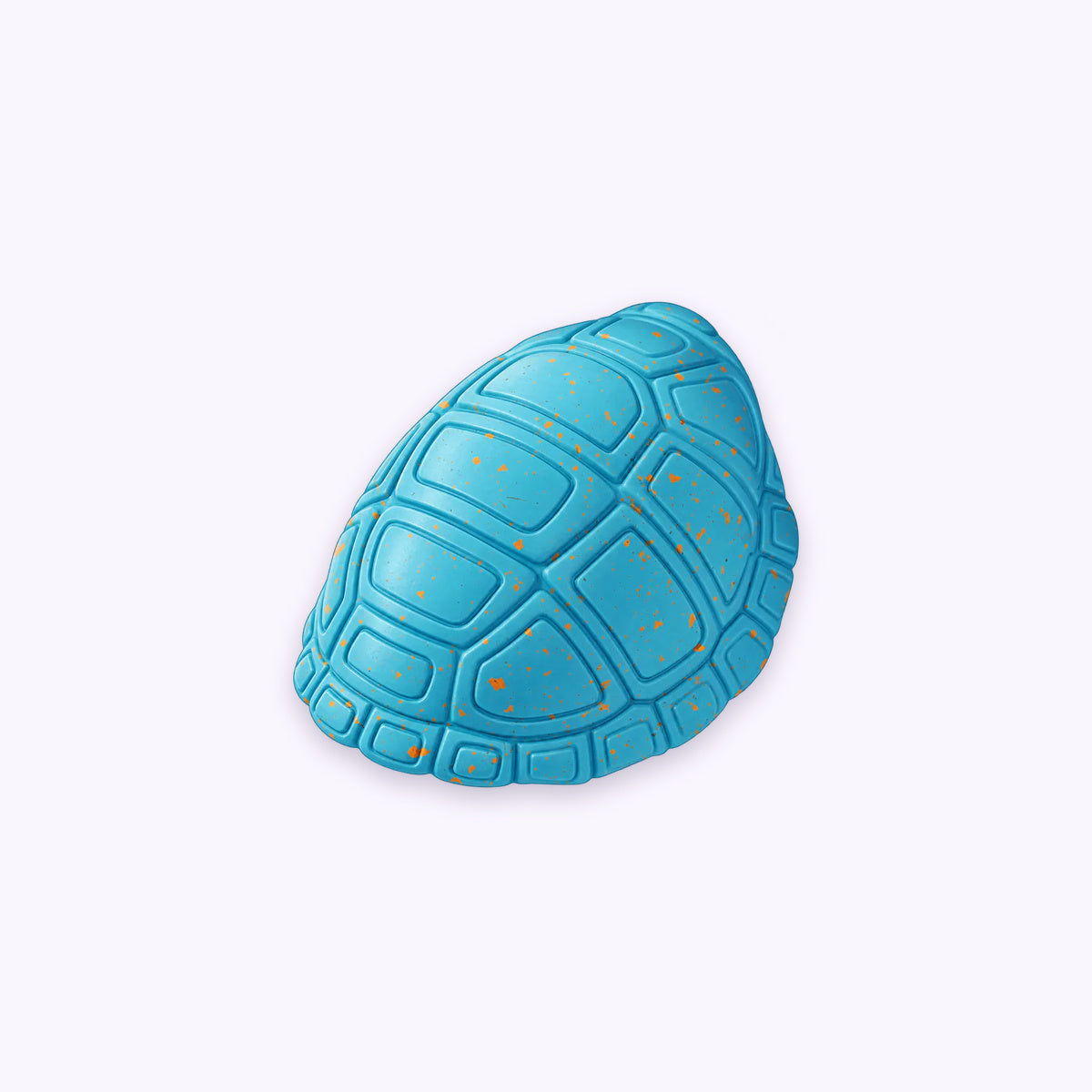
- Jouet Chewster Coquille de TortueShop
For power chewers. Slow-release treat play for focused sniff & chew sessions
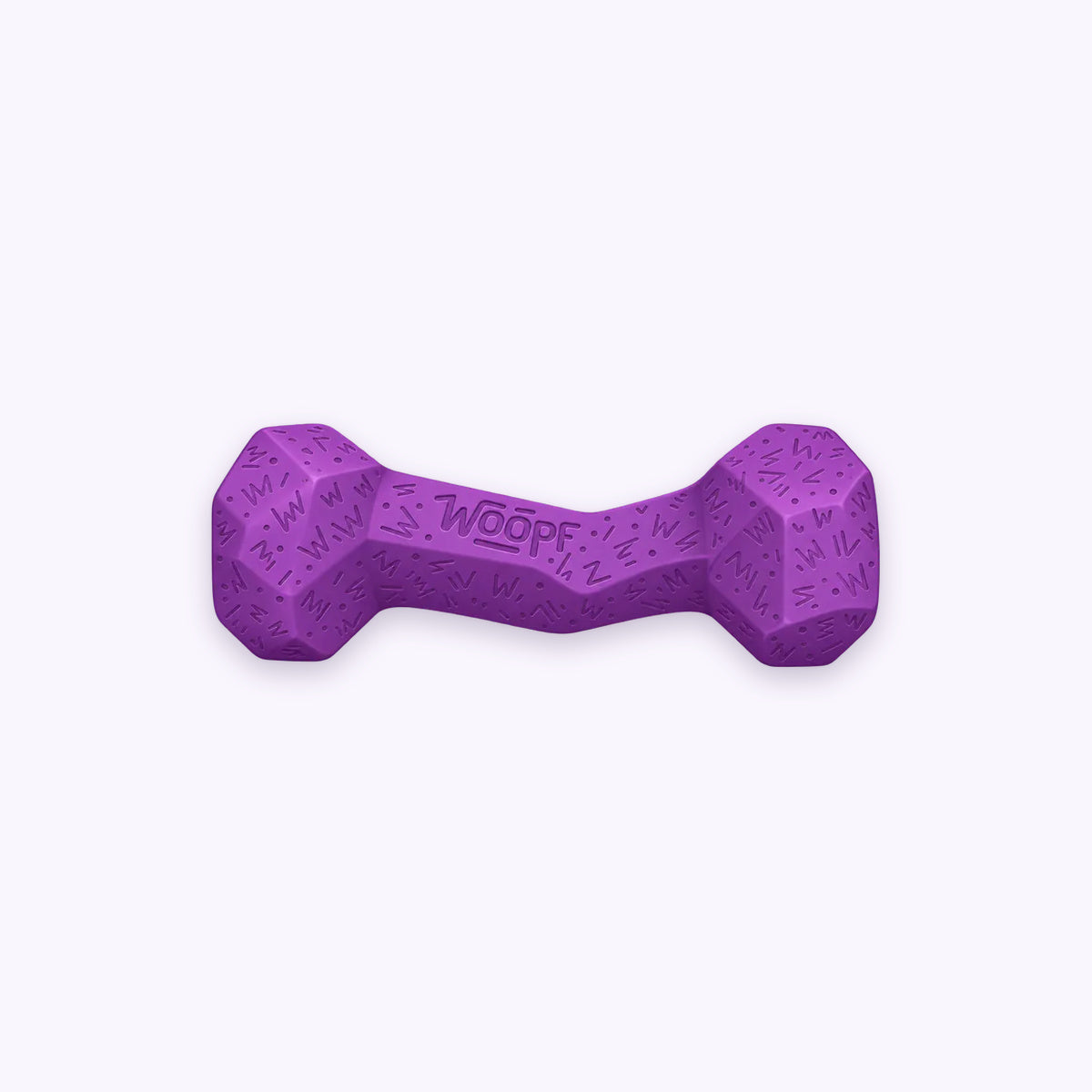
- Os Blocky ChewsterShop
For power chewers. Roll, chase & earn treats through chew play