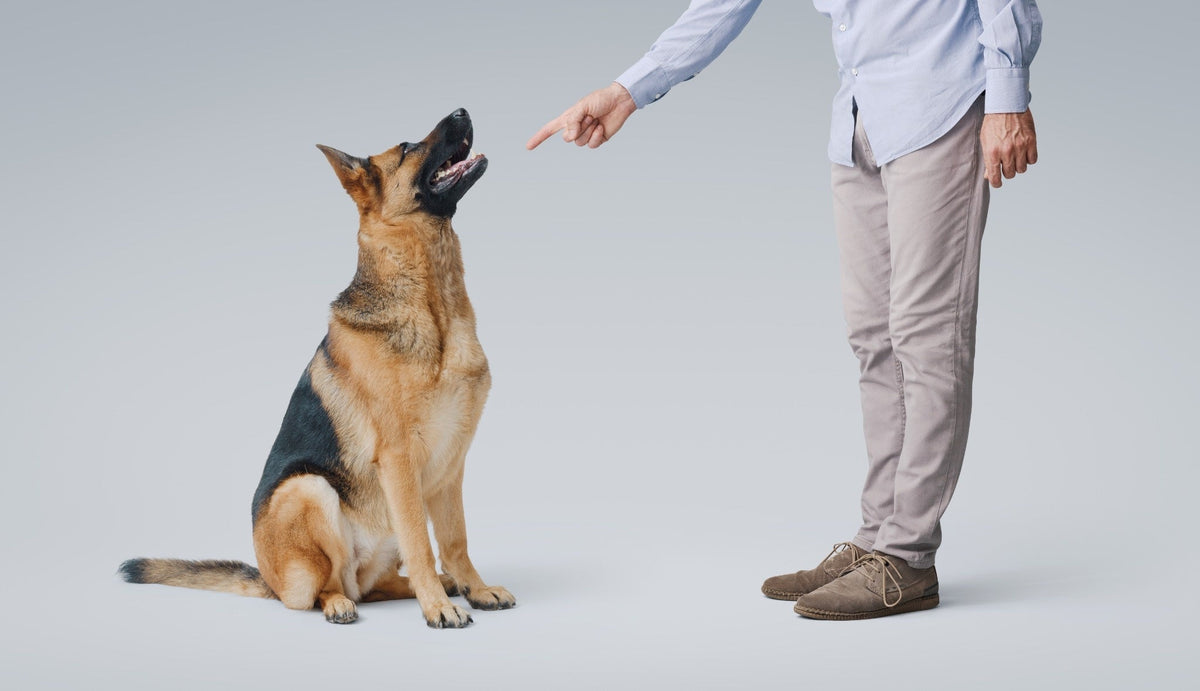




Dogs are known for their loyalty and companionship, but some pups can develop separation anxiety, a condition where they become stressed or anxious when left alone. Separation anxiety can lead to destructive behaviors, excessive barking, or even self-harm. Correcting this behavior is crucial for your dog’s well-being and to prevent damage to your home.
Here’s how you can help your dog feel more comfortable when alone:
Create a Safe and Comfortable Space
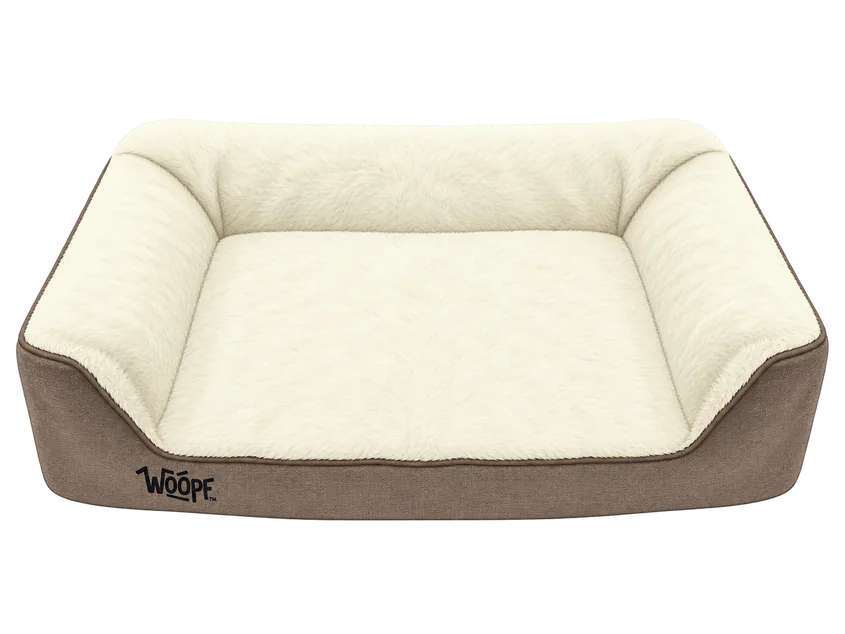
Dogs often develop separation anxiety because they feel unsafe or insecure when left alone. Provide a haven, like a crate or a designated room, with:
-
Comfortable bedding
-
Favorite toys
-
Puzzle treats or chew toys
This helps your dog associate being alone with comfort and security.
Gradually Increase Alone Time
Start small. Leave your dog alone for just a few minutes at a time and gradually increase the duration over days or weeks. This slow adjustment helps your dog get used to being alone without becoming stressed.
Practice Calm Departures and Returns
Dogs with separation anxiety often react strongly to your leaving or arriving. To correct this:
-
Avoid dramatic goodbyes or greetings
-
Ignore your dog for a few minutes before leaving or after returning
-
Keep departures and arrivals calm and low-key
Over time, your dog will learn that being alone is not a cause for panic.
Exercise Your Dog Before Leaving
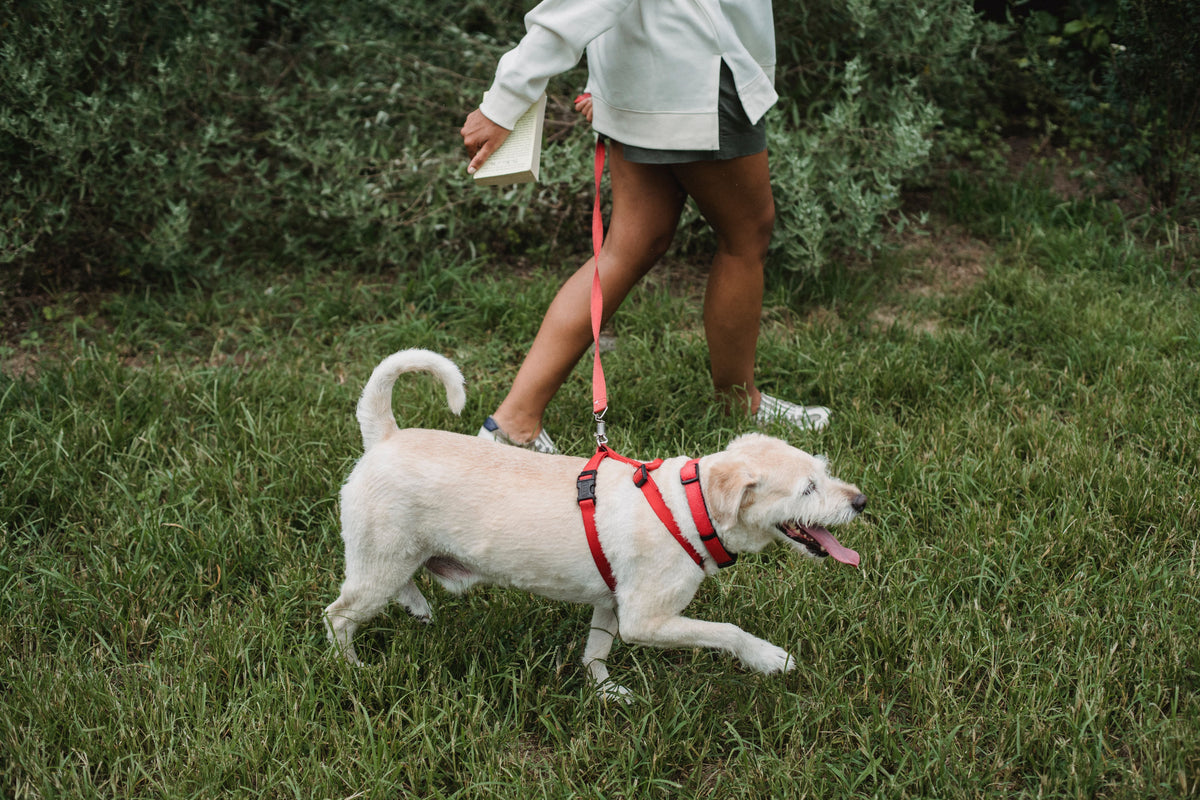
Exercise is a great way to reduce anxiety and burn off excess energy. A tired dog is generally calmer when left alone. Options include:
-
Walks or runs
-
Play sessions in the yard or indoors
-
Interactive games with toys
Use Positive Reinforcement
Create positive associations with being alone. Offer special treats or toys whenever you leave:
-
Frozen Kongs with peanut butter
-
Puzzle toys with hidden treats
-
Chewable snacks
This turns alone time into a rewarding experience, reducing anxiety over time.
Seek Professional Help if Needed
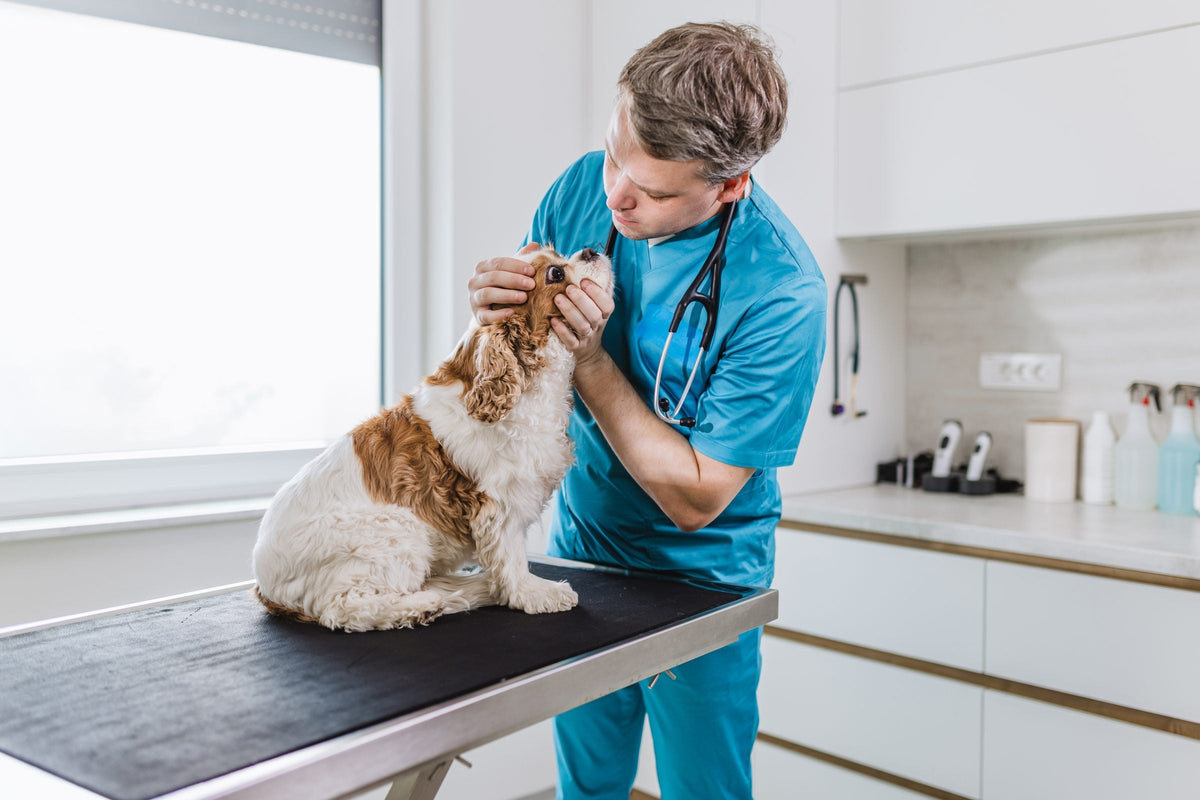
Severe separation anxiety may require professional guidance. Your veterinarian or a certified dog trainer can recommend behavioral training, environmental changes, or in some cases, medications to help manage anxiety.
Conclusion
Separation anxiety is common but manageable with patience, consistency, and positive reinforcement. By creating a secure space, gradually increasing alone time, exercising your dog, and rewarding calm behavior, you can help your dog feel more relaxed when alone.
If anxiety is severe, don’t hesitate to seek professional support to develop a safe and effective treatment plan. A calm, confident dog means a happier pup and a more peaceful home for you!
Recommended by Dr Duncan
Vet-designed gear for what you have just read about.
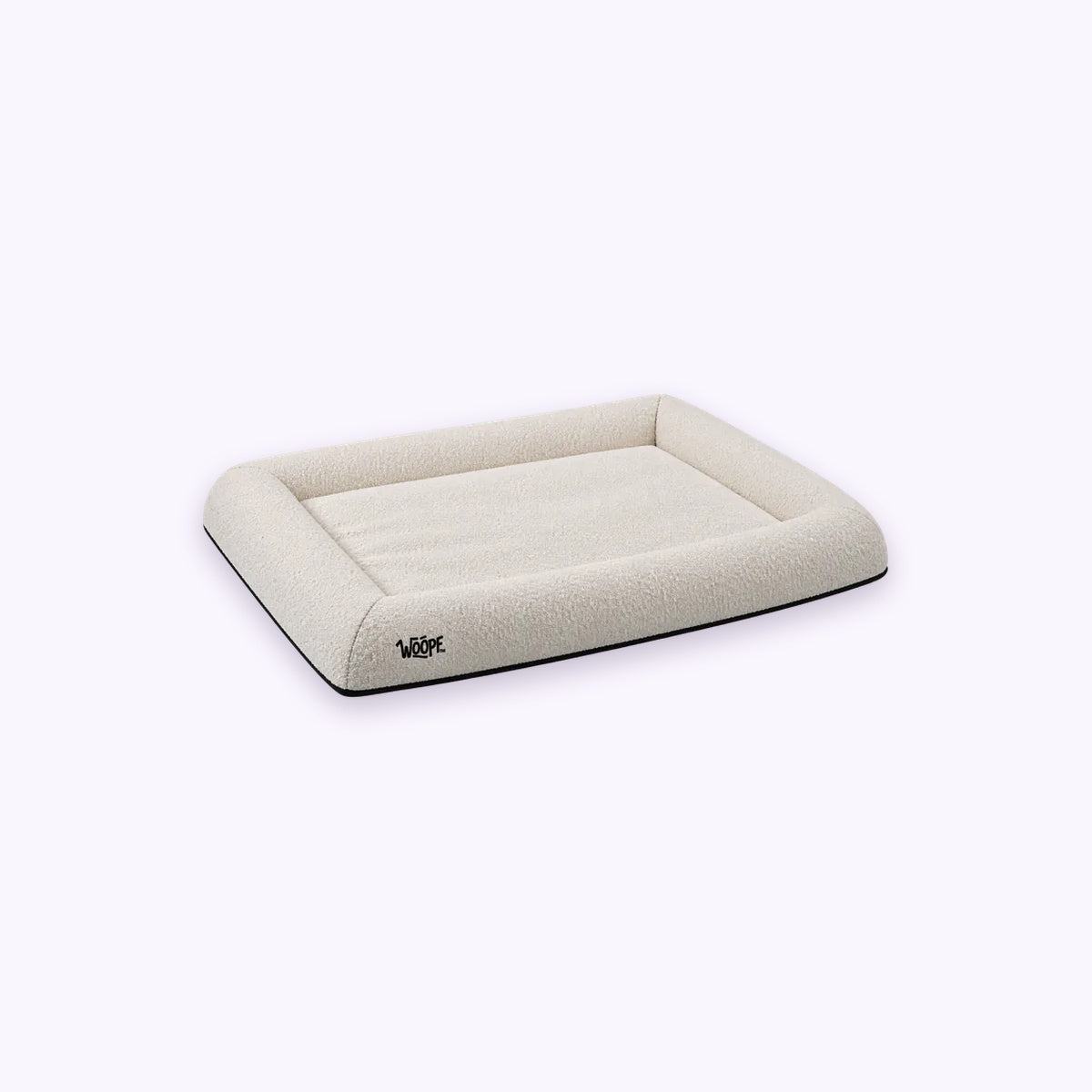
- Lit Orthopédique Vétérinaire SNÜZ (Boucle)Shop
Joint support, deeper sleep & pressure relief
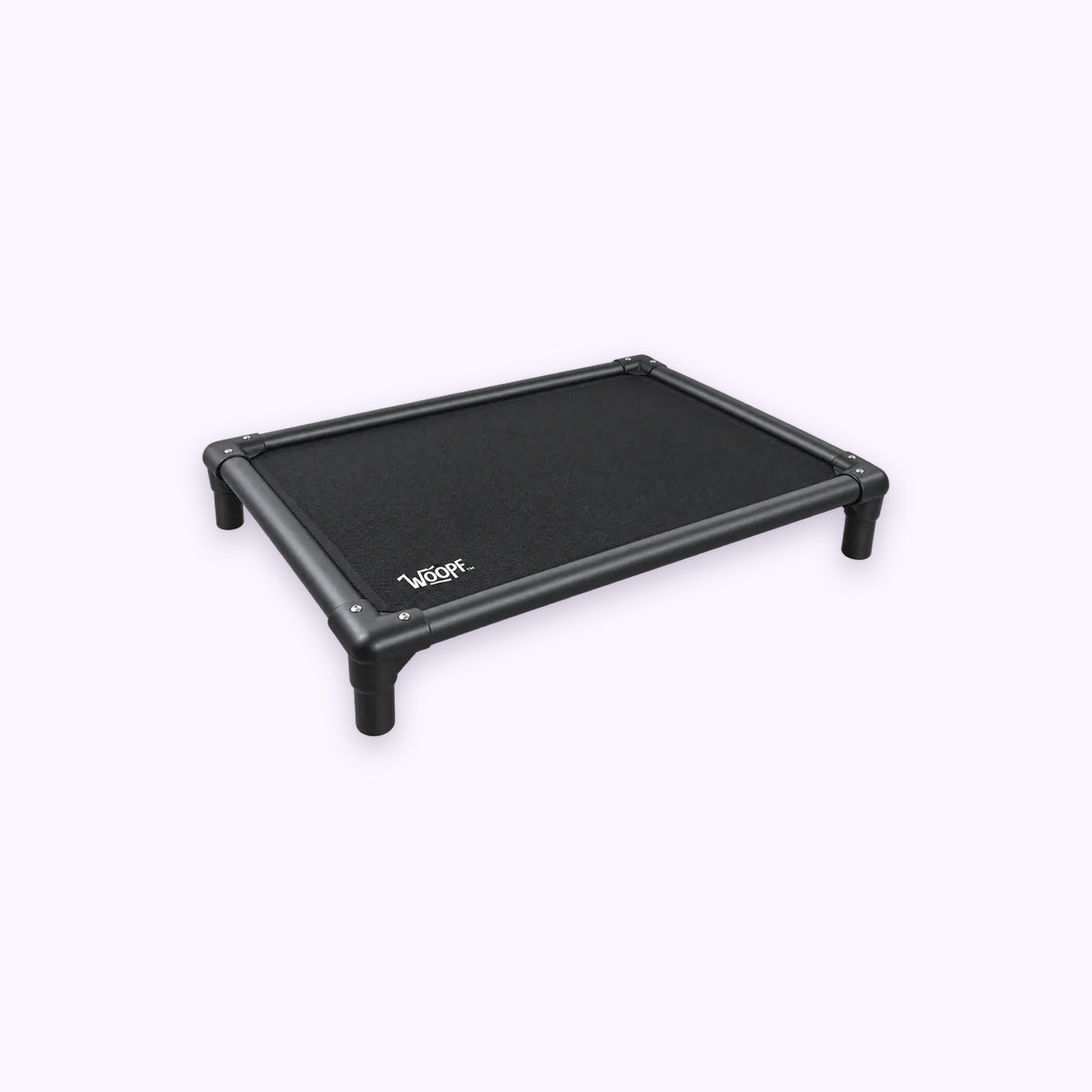
- Hamac Chien Résistant à la MâchouilleShop
For dogs that break beds, built for outdoor use
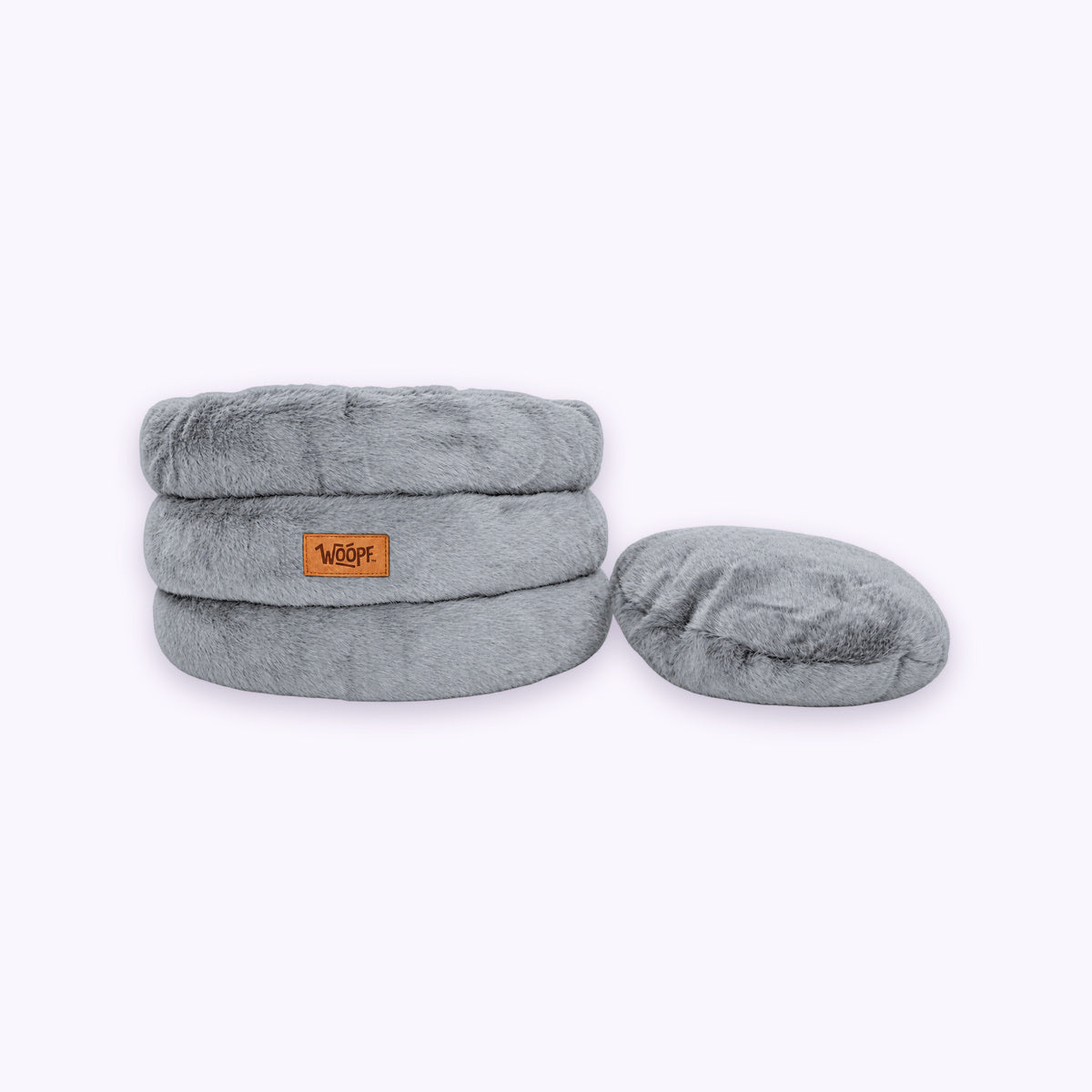
- Lit Rond Gamme FurryShop
Helps anxious dogs feel safe, settle faster, and sleep deeper