


Introduction: More Than Playtime
Play is more than fun for puppies—it's essential for mental, emotional, and behavioral development. The right enrichment toys reduce boredom, prevent destructive habits, and build problem-solving skills from day one.
In this vet-backed guide, you’ll learn:
- The science behind enrichment for puppies
- Top toy categories and how they support development
- How to rotate and introduce toys for best results
1. Why Puppies Need Enrichment
Puppies are naturally curious and full of energy. Without structured activities, they often redirect that energy into chewing, barking, or anxiety. Toys offer healthy outlets and mimic natural behaviors like sniffing, shredding, and chasing.
2. Types of Enrichment Toys
Here are categories to mix and match:
- Food puzzles: Stuffable Kongs, snuffle mats, and slow feeders build problem-solving skills.
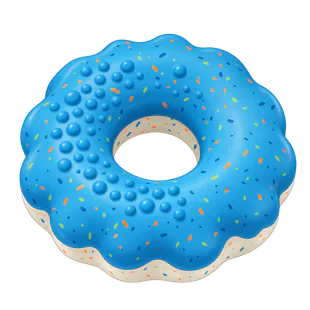
- Chew toys: Support teething and jaw strength—use puppy-safe rubber or nylon.
- Interactive toys: Moving, squeaking, or sensor toys that respond to touch or sound.
- Comfort objects: Plush or heartbeat toys ease transitions and nighttime fuss.
3. How to Use Enrichment Toys the Right Way
- Rotate weekly: Keep novelty alive by switching 2–3 toys out each week.
- Supervise first use: Especially with chews or battery-powered toys, watch for safety.
- Use crates and quiet zones: Introduce toys during calm time, not just play sessions.
- Make it a routine: Morning puzzles, midday chews, evening soft toys create predictability.
4. Our Favorite Vet-Approved Picks
- Woopf Soft Snuggle Ball: Great for crate comfort and scent-transfer bonding.
- KibbleMaze Feeder: Slow-feeding with challenge tiers keeps pups focused.
5. Final Tips & Takeaways
Start early, stay consistent, and match toys to your puppy's age, breed, and personality. When used right, enrichment toys become more than entertainment—they shape a resilient, calm, and curious adult dog.
Recommended by Dr Duncan
Vet-designed gear for what you have just read about.
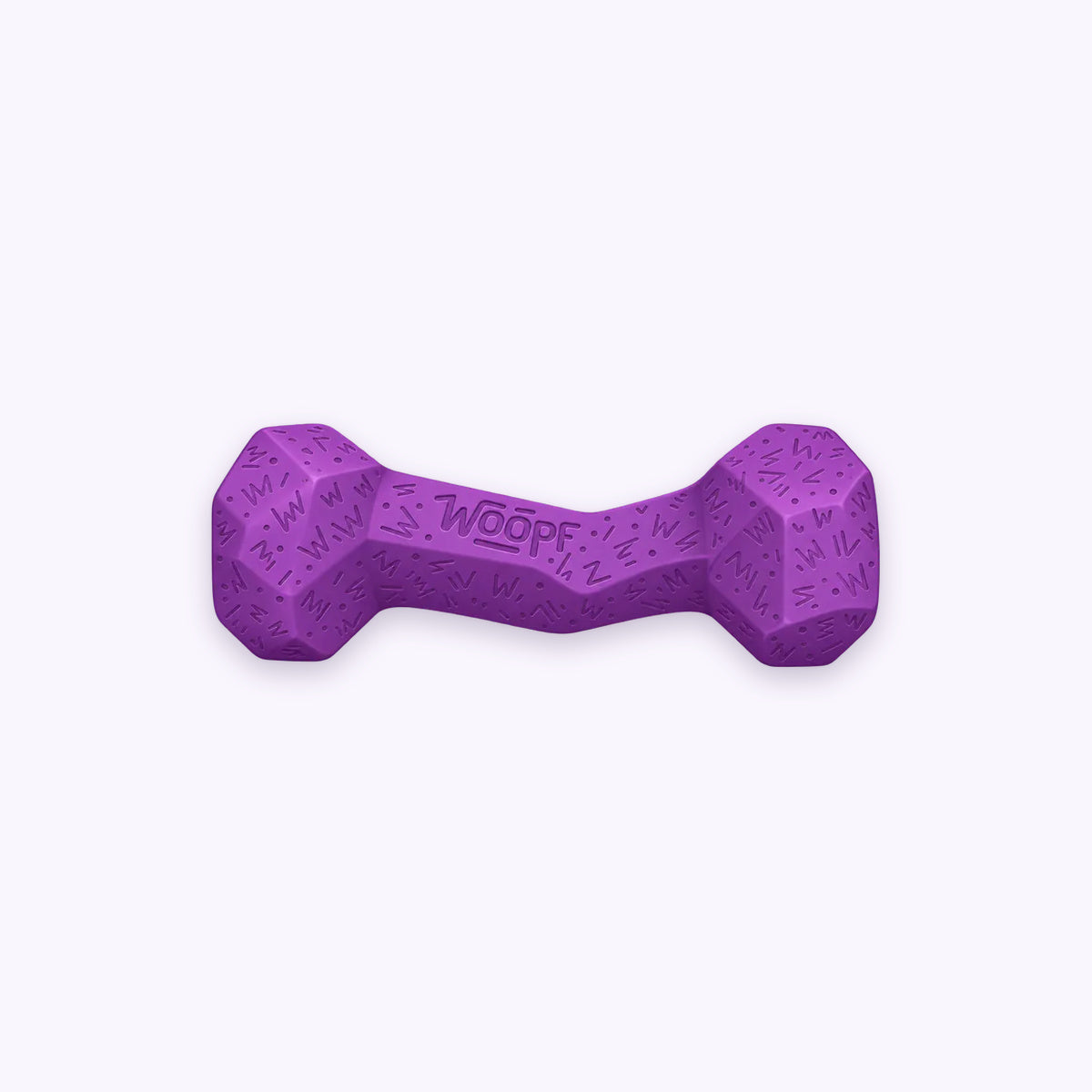
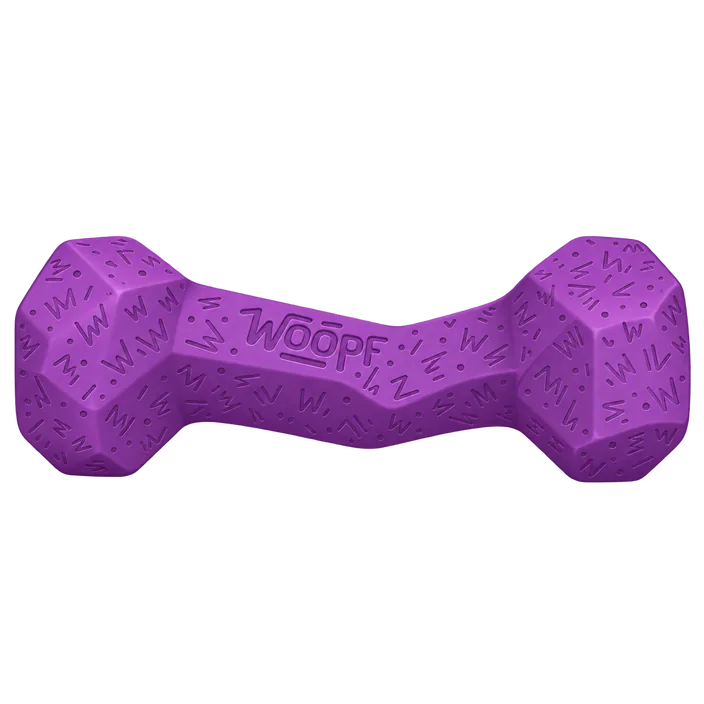
- Chewster Blocky BoneShop
For power chewers. Roll, chase & earn treats through chew play
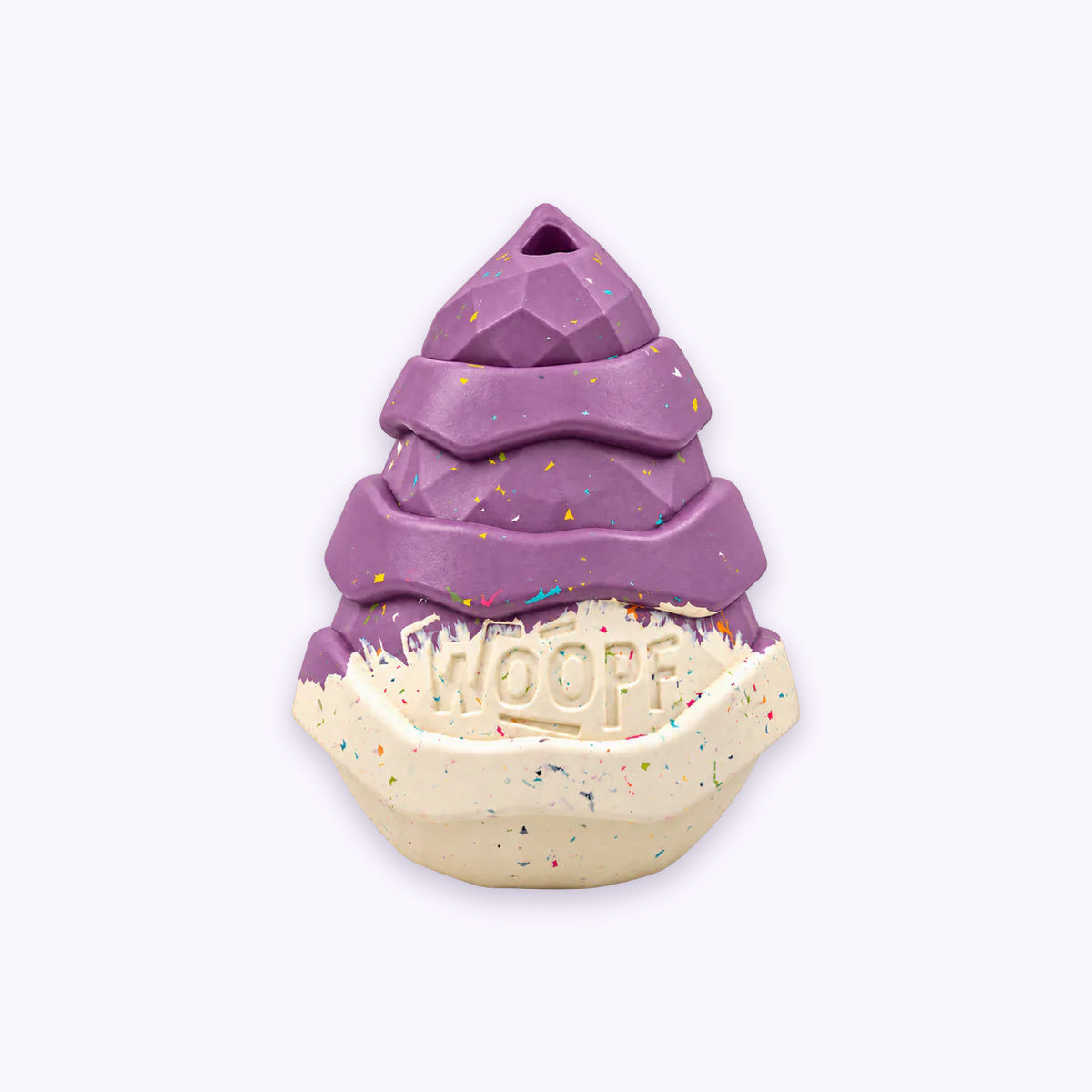
- Chewster Snacky HiveShop
For power chewers. Hide meals inside for slow-feed play
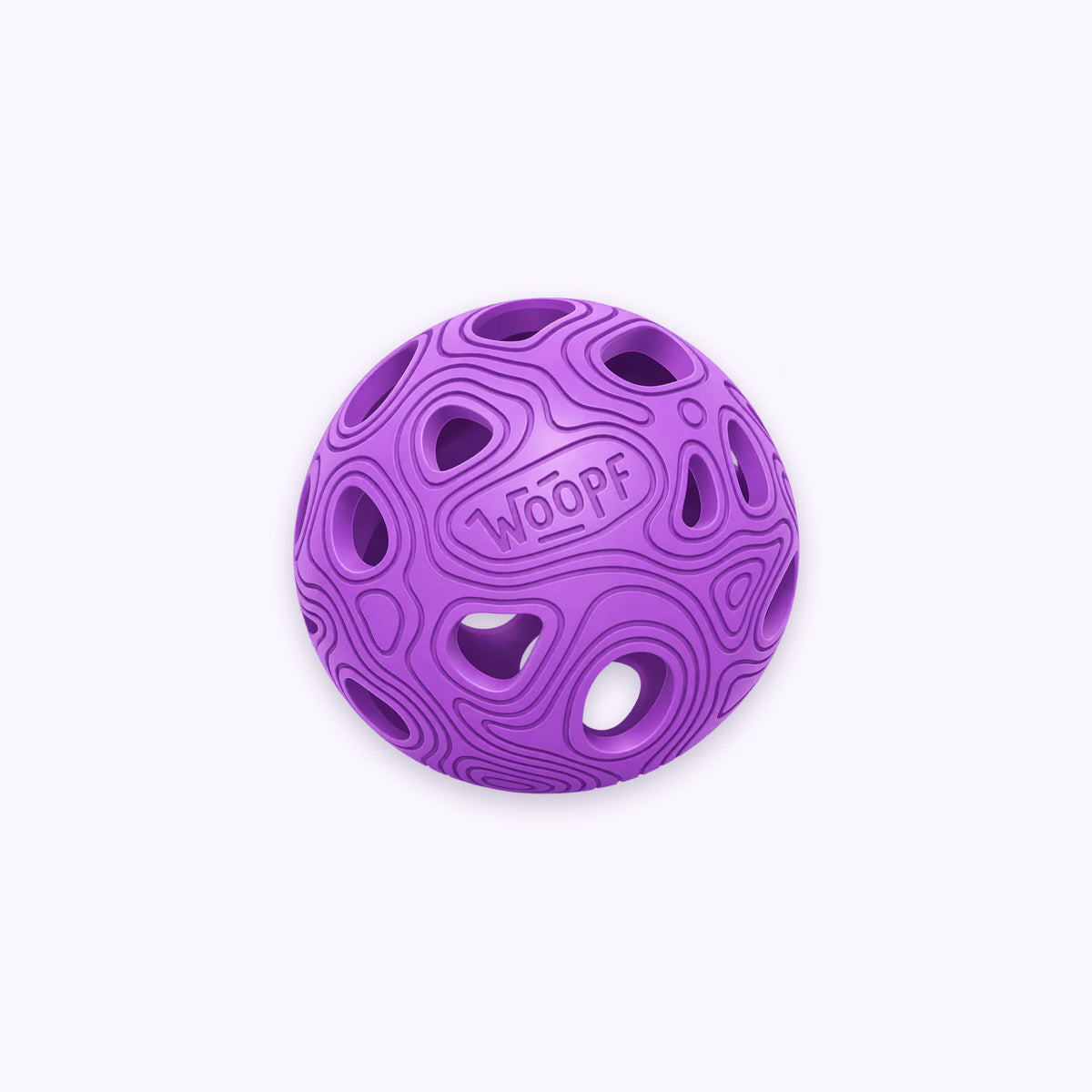
- MeteorBite BallShop
For high-energy dogs. High-bounce fetch keeps them active longer