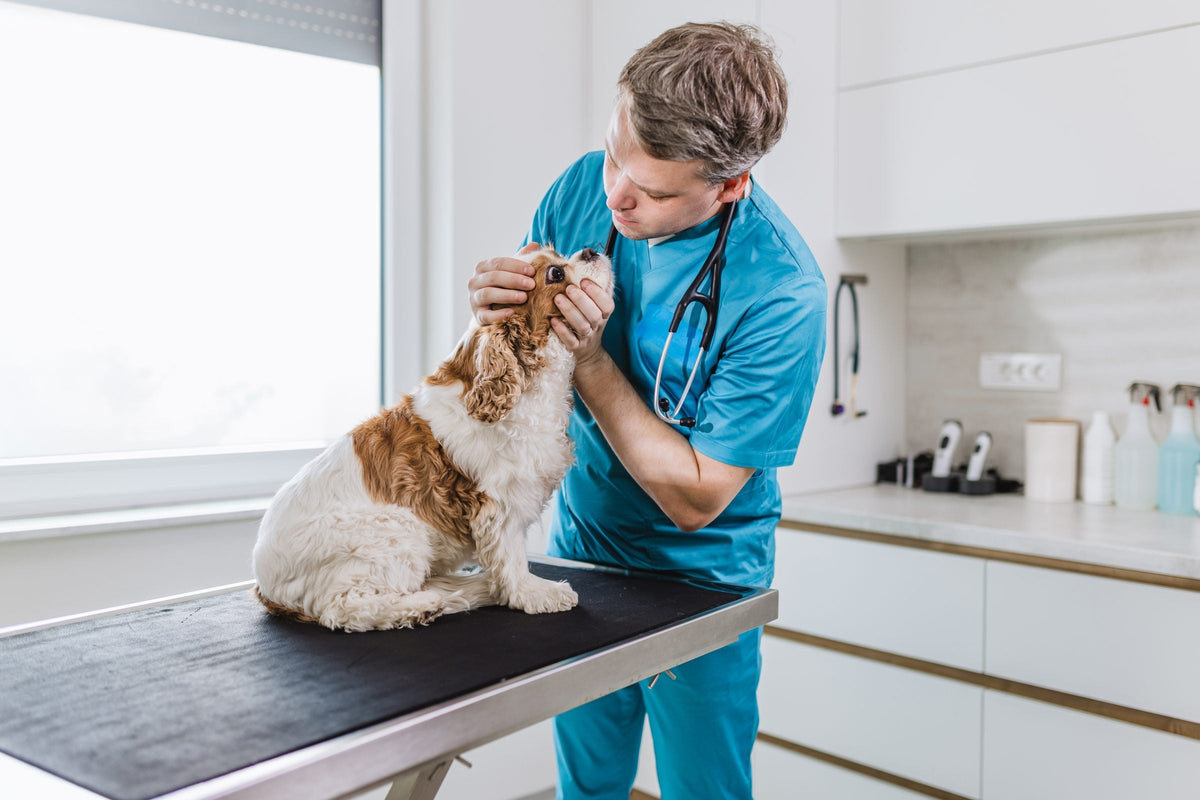





Dogs are naturally curious and may investigate items around your home, but some household substances can be extremely dangerous or even life-threatening. It’s important to know which items pose risks to keep your furry friend safe.
Dangerous Foods
1. Chocolate
Contains theobromine, which is toxic to dogs. Symptoms include vomiting, diarrhea, increased heart rate, tremors, seizures, and in severe cases, death.
2. Grapes and Raisins
It can cause acute kidney failure. Watch for vomiting, diarrhea, lethargy, and decreased urine production.
3. Onions and Garlic
These contain compounds that can damage red blood cells, leading to anemia. Signs include weakness, pale gums, and increased heart rate.
4. Xylitol (Sugar Substitute)
Found in sugar-free gum, candy, and some baked goods, xylitol can trigger a rapid insulin release, causing hypoglycemia (low blood sugar). Symptoms include vomiting, loss of coordination, and seizures.
Medications
5. Human Medications
Over-the-counter and prescription medications can be highly toxic to dogs. Symptoms vary but may include vomiting, diarrhea, lethargy, or seizures. Always keep medications out of reach.
Household Chemicals
6. Cleaners
Many cleaning products contain chemicals harmful if ingested or inhaled. Symptoms can include vomiting, drooling, and respiratory distress.
7. Antifreeze
Contains ethylene glycol, which is highly toxic. Even small amounts can cause acute kidney failure. Symptoms include vomiting, increased thirst, and lethargy.
8. Rodenticides
Rat and mouse poisons can cause severe symptoms, including internal bleeding, seizures, and even death.
9. Insecticides
Can be toxic if ingested or absorbed through the skin. Symptoms include vomiting, diarrhea, muscle tremors, and seizures.
Toxic Plants
10. Certain Household Plants
Some common plants, like lilies, azaleas, and sago palms, can be poisonous to dogs. Symptoms vary but may include vomiting, diarrhea, and difficulty breathing.
What to Do If Your Dog Ingests Something Toxic
If you suspect your dog has ingested a toxic substance:
-
Contact your veterinarian immediately or call an emergency animal clinic.
-
Do not wait for symptoms to appear — early intervention is critical.
-
Keep the product packaging handy to inform the vet about the substance ingested.
Tip: Always store food, medications, chemicals, and hazardous plants out of your dog’s reach. Prevention is the best way to keep your pet safe.
Recommended by Dr Duncan
Vet-designed gear for what you have just read about.
- Schnüffelball mit KnistereffektShop
Hide treats & keep dogs engaged through sniff, search & crackle sounds
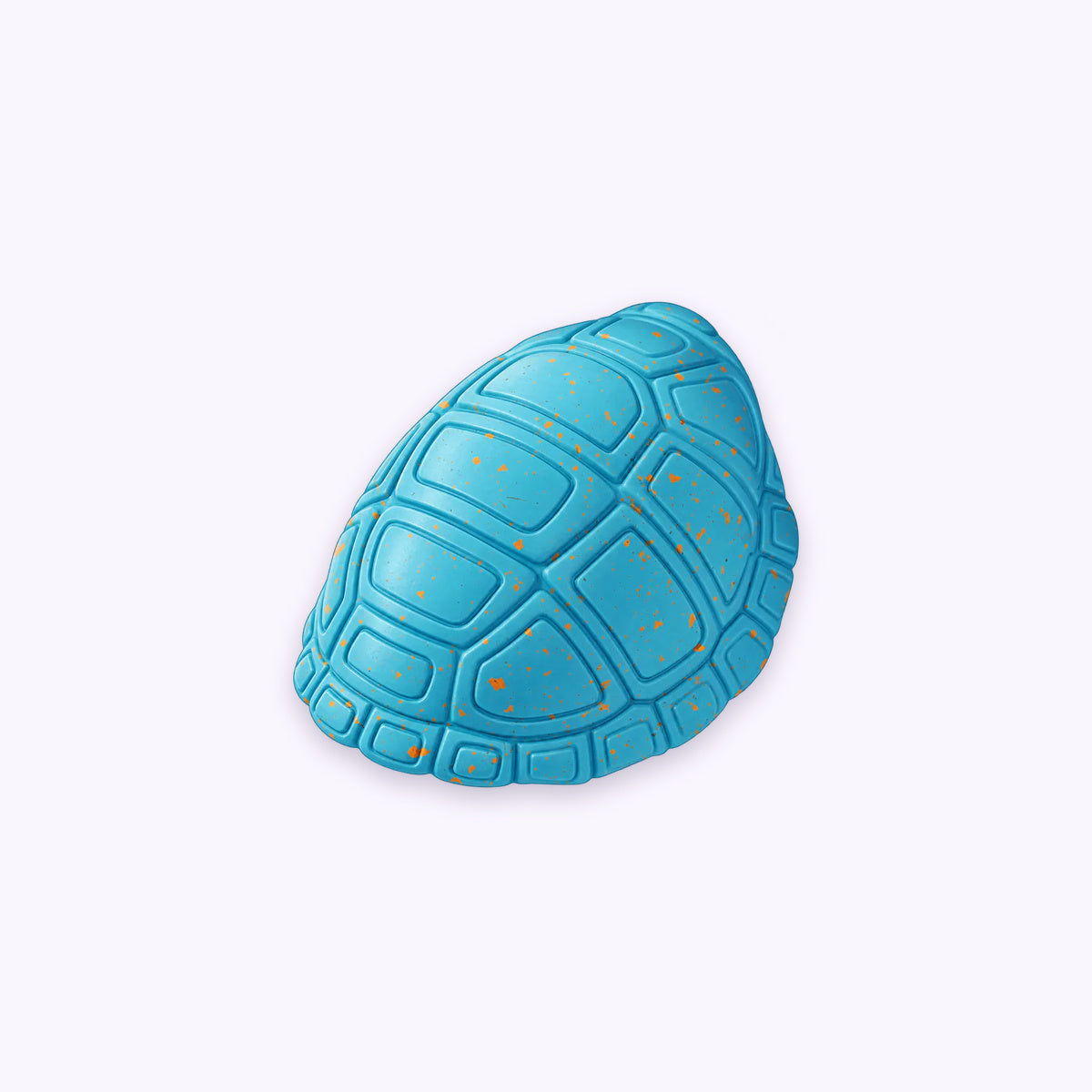
- Chewster Schildkröten-SpielzeugShop
For power chewers. Slow-release treat play for focused sniff & chew sessions
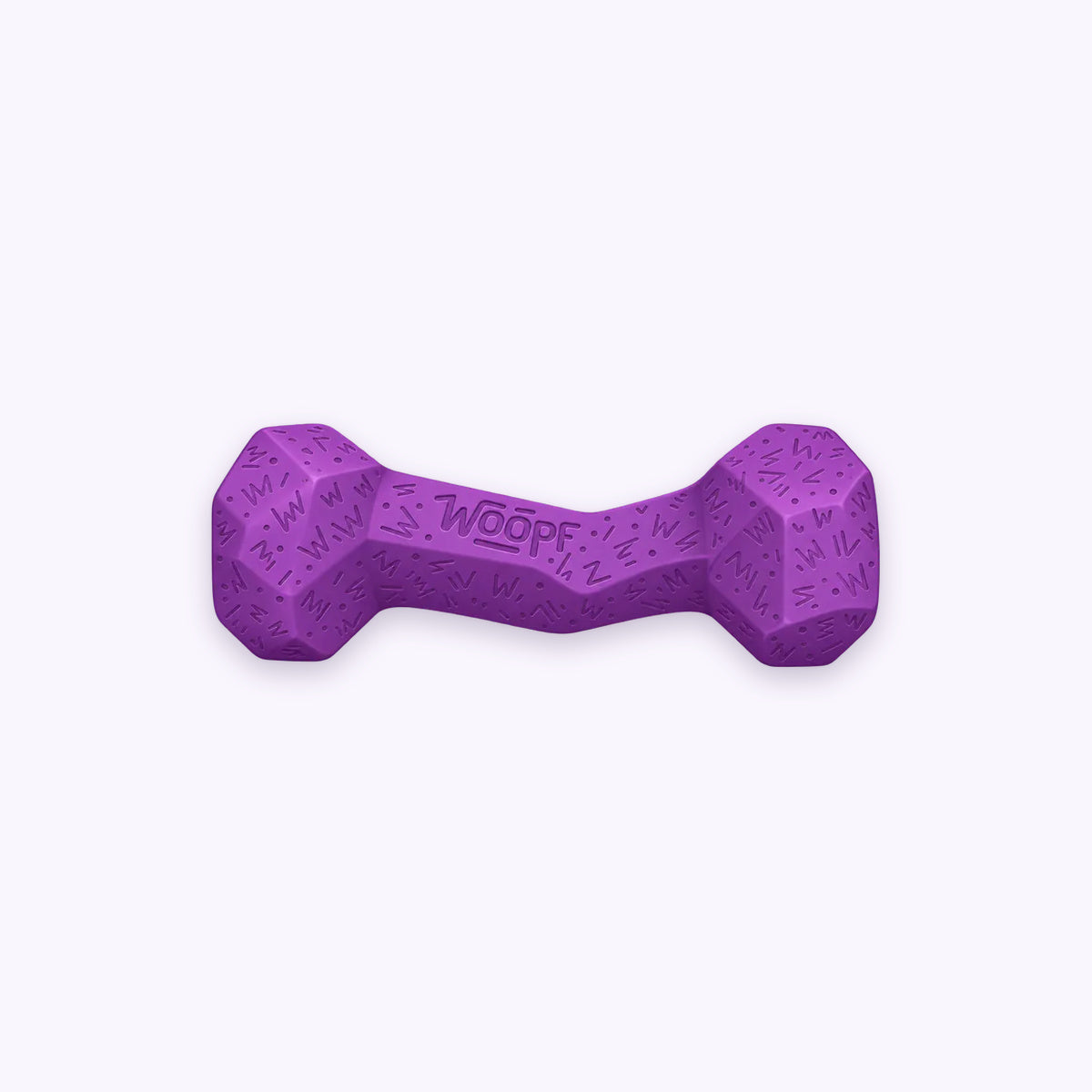
- Chewster Blocky KnochenShop
For power chewers. Roll, chase & earn treats through chew play