

Introduction: The Training Clock Starts Early
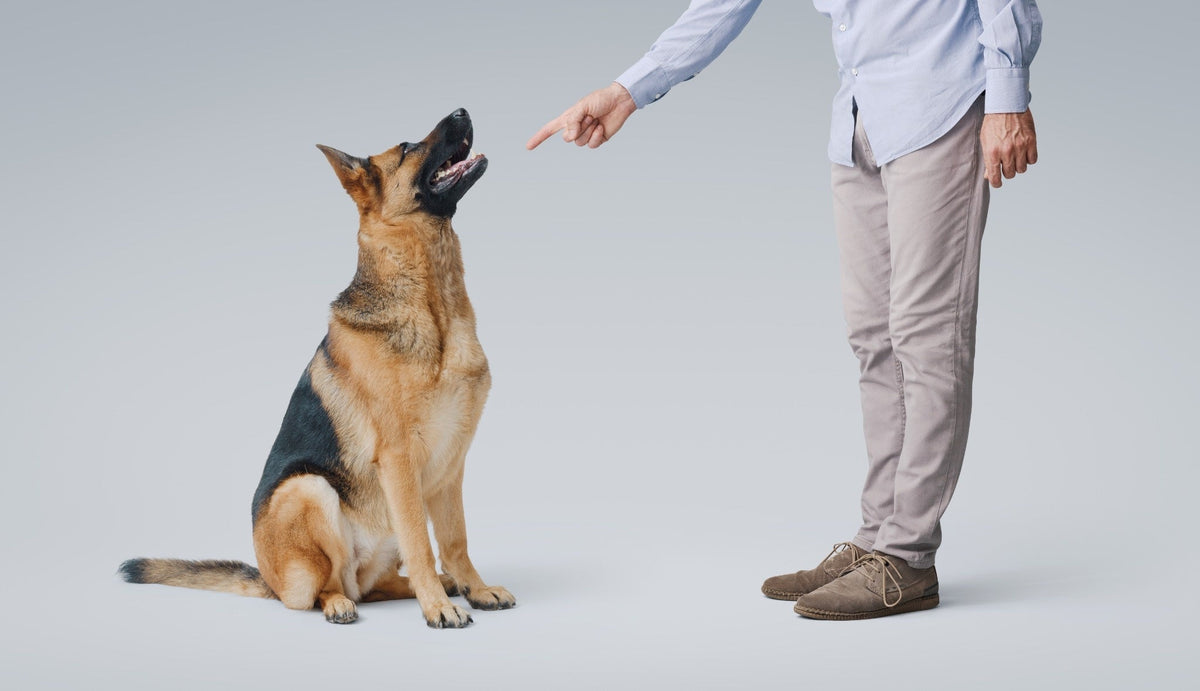
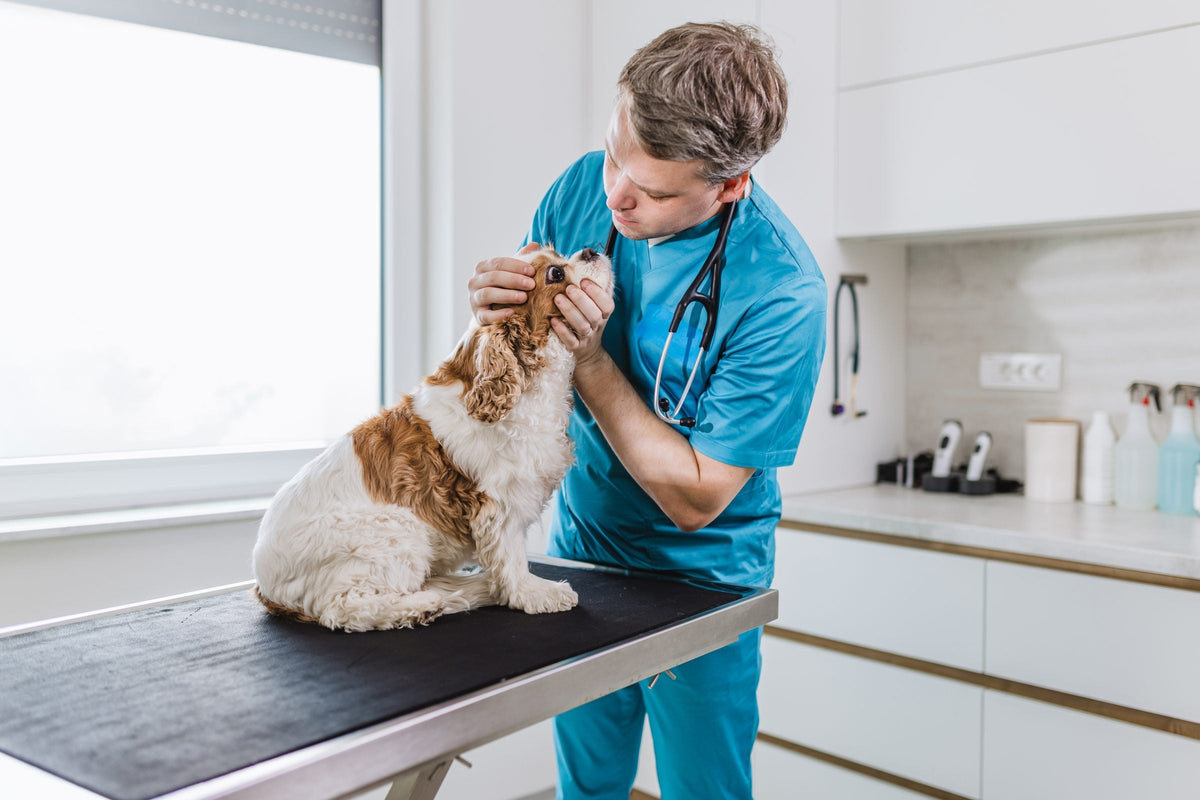
Many pet parents assume puppy training starts around 6 months, but that delay could be a missed opportunity. As a veterinarian and behavior advocate, I want to share why the ideal time to begin training is between 7 to 8 weeks — right after you bring your pup home.
This guide covers:
- When to start training (hint: it’s earlier than you think!)
- The best early skills to teach your pup
- Vet-recommended methods and positive reinforcement
1. Why Early Puppy Training Matters
Puppies experience a critical learning period from 3 to 14 weeks. During this window, they are most open to forming habits, learning routines, and absorbing positive guidance. Training now helps build emotional stability and avoid behavior issues later.
2. What Can Puppies Learn at 7–8 Weeks?
Surprisingly, a lot! Even at 8 weeks, your puppy can begin:
- Name recognition
- Potty training routines
- Basic obedience: sit, come, and gentle handling
- Short crate training and alone time confidence
With positive reinforcement (treats, praise, and play), these early lessons create trust and structure. Avoid harsh corrections—they harm the bond and confuse young pups.
3. Ideal First Week Routine
Your puppy's first 7 days should focus on low-stress exposure and learning basics:
- Day 1–2: Acclimate to crate, name use, and gentle petting
- Day 3–4: Begin potty schedule, introduce "sit" with food lure
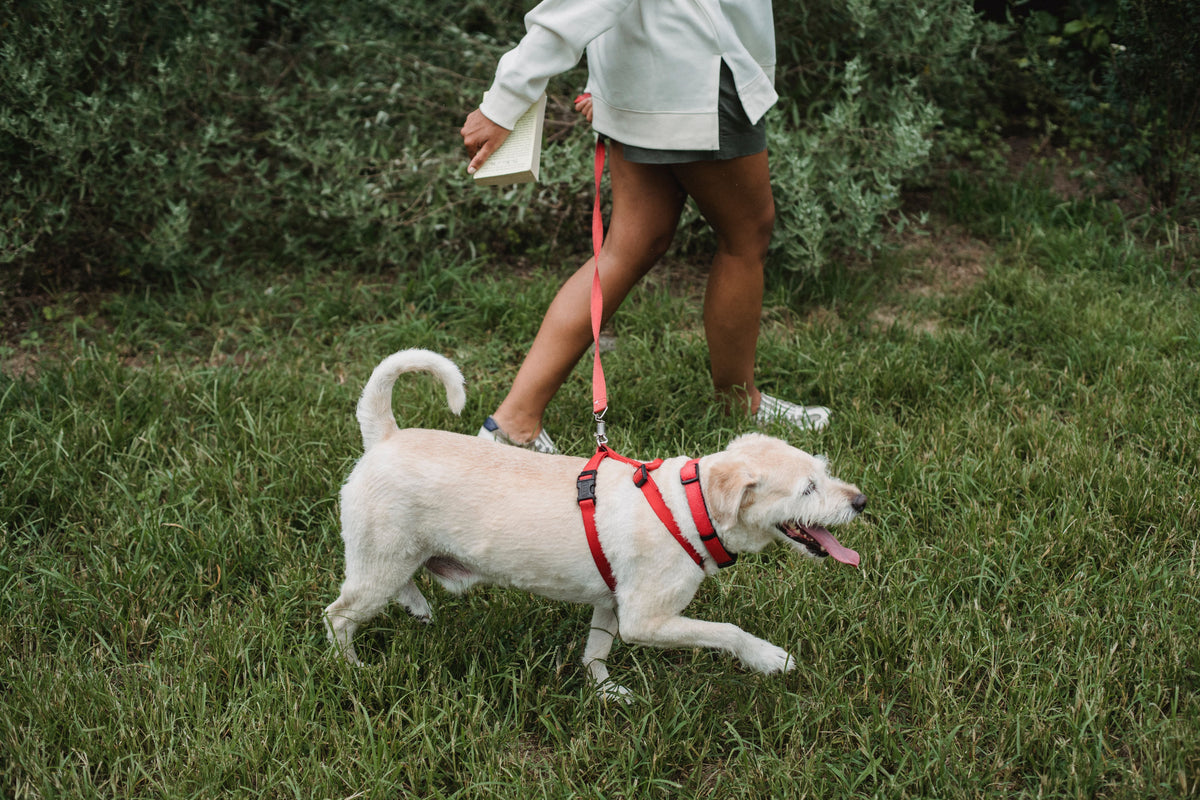
- Day 5–7: Add leash exposure, gentle grooming, and 5-minute solo breaks
4. Top Early Training Tips from a Vet
- Use high-value treats: boiled chicken, soft chews
- Train in short, 3-minute sessions 4–6x daily
- End every session on a win, even if it’s just eye contact
- Don’t punish accidents—redirect and reward the right behavior
5. Mistakes to Avoid in Early Training
- Waiting too long to begin
- Using aversive tools like prong or shock collars on puppies
- Skipping socialization alongside training
6. Final Thoughts
Training your puppy at 7–8 weeks isn’t just possible—it’s ideal. It sets the stage for lifelong behavior, emotional balance, and your bond together. Start now, stay gentle, and remember: your puppy is always learning.
Recommended by Dr Duncan
Vet-designed gear for what you have just read about.
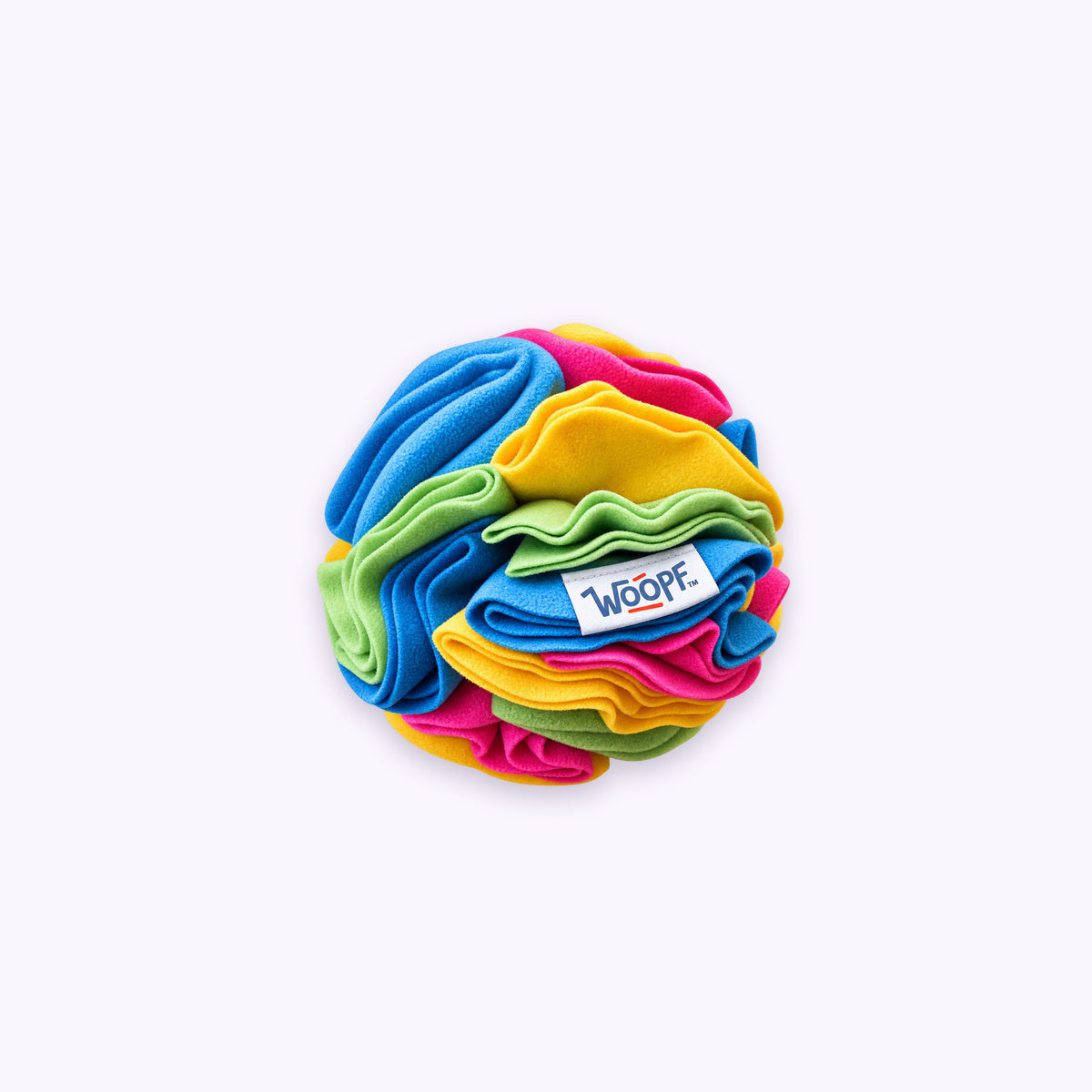
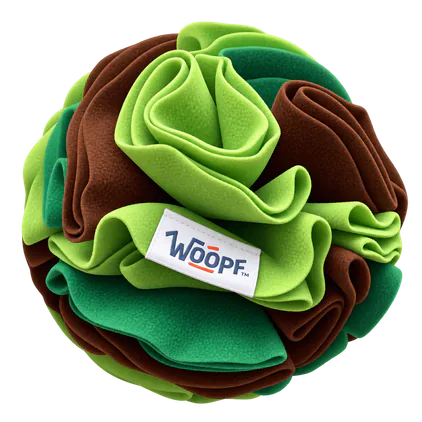
- Balle Renifleur avec Bruits CraquantsShop
Hide treats & keep dogs engaged through sniff, search & crackle sounds
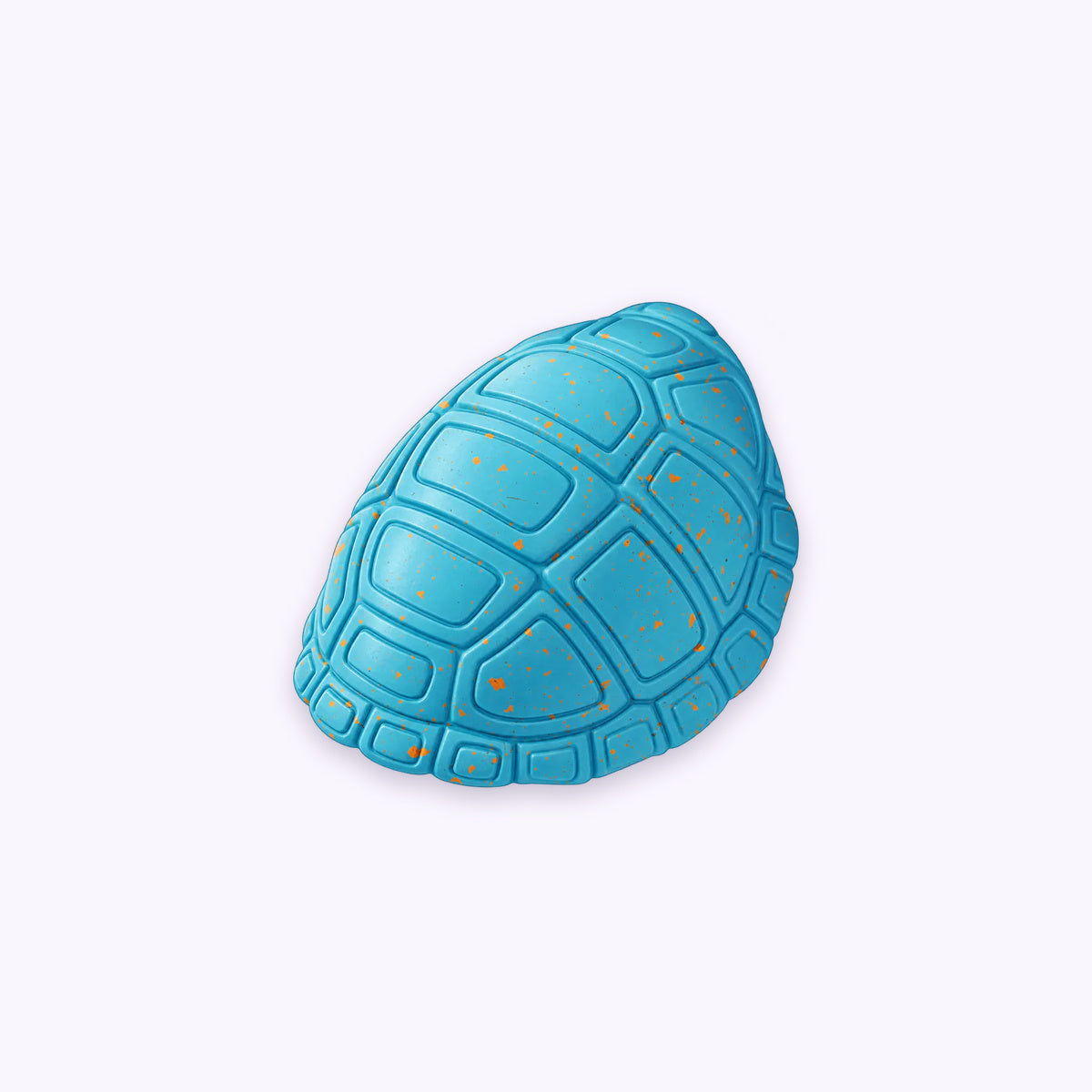
- Jouet Chewster Coquille de TortueShop
For power chewers. Slow-release treat play for focused sniff & chew sessions
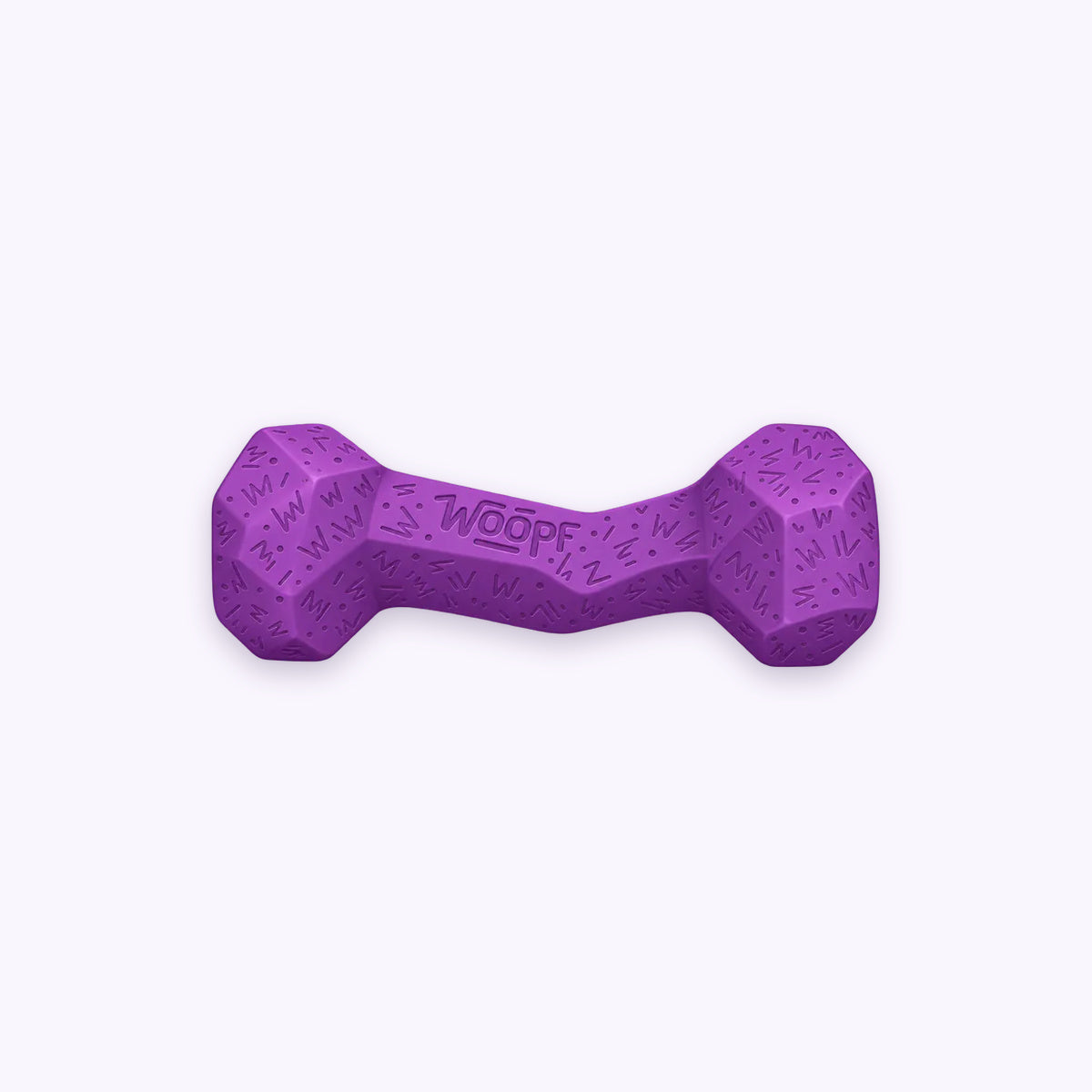
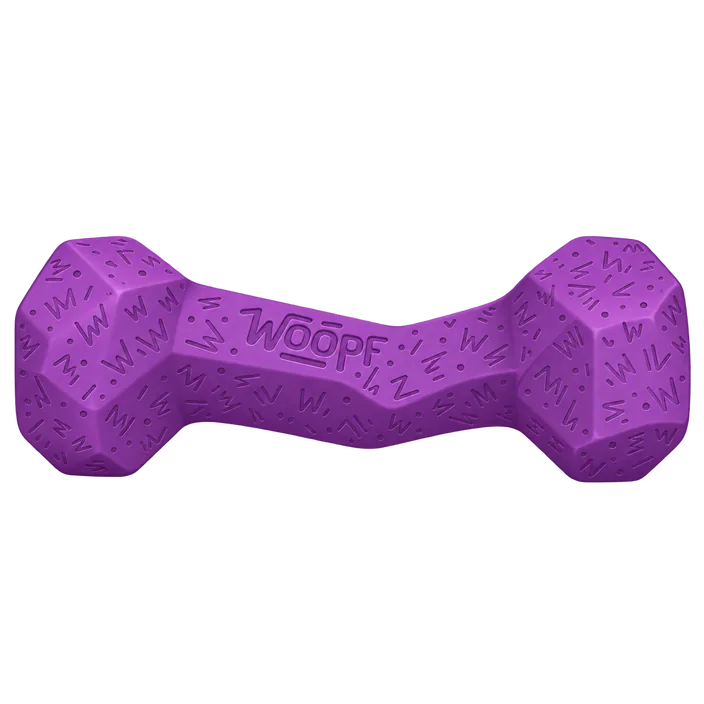
- Os Blocky ChewsterShop
For power chewers. Roll, chase & earn treats through chew play