

Introduction:
For puppies, structure equals security. A consistent daily routine helps young dogs build confidence, reduce stress, and understand what to expect—turning chaos into calm. As a veterinarian, I’ve seen how the right rhythm transforms a puppy’s health and behavior.
In this guide, we’ll explore:
The benefits of a consistent routine
A sample day from morning to bedtime
Vet tips for balancing activity and rest
Real-world adjustments for busy households
1. What Makes a Great Puppy Routine?
A solid routine is more than just a checklist—it’s a framework for your puppy to feel safe, learn boundaries, and thrive physically and emotionally. Here’s what to include:
Predictability
Routines help reduce separation anxiety, ease crate training, and support faster toilet training. Your pup starts to anticipate what comes next, which builds confidence and trust.
Rest Periods
Puppies need a lot of sleep—typically 16 to 20 hours a day. Skimping on sleep can lead to overtired behavior, like biting, barking, or trouble settling.
Vet Insight: Many behavioral issues I see in consults stem from simple overtiredness. A cranky puppy is just like a cranky toddler!
Balance is Key
Include a healthy mix of:
-
Mental stimulation (training, puzzle toys)
-
Physical exercise (short walks, gentle play)
-
Bonding time (snuggles, grooming)
-
Solo time (crate or pen with a chew toy)
2. Sample Daily Schedule for Puppies
Here’s a typical routine for a 10–16 week old puppy. Adjust nap lengths and exercise intensity based on your dog’s breed, age, and personality.
| Time | Activity |
|---|---|
| 7:00 AM | Potty, short walk, breakfast |
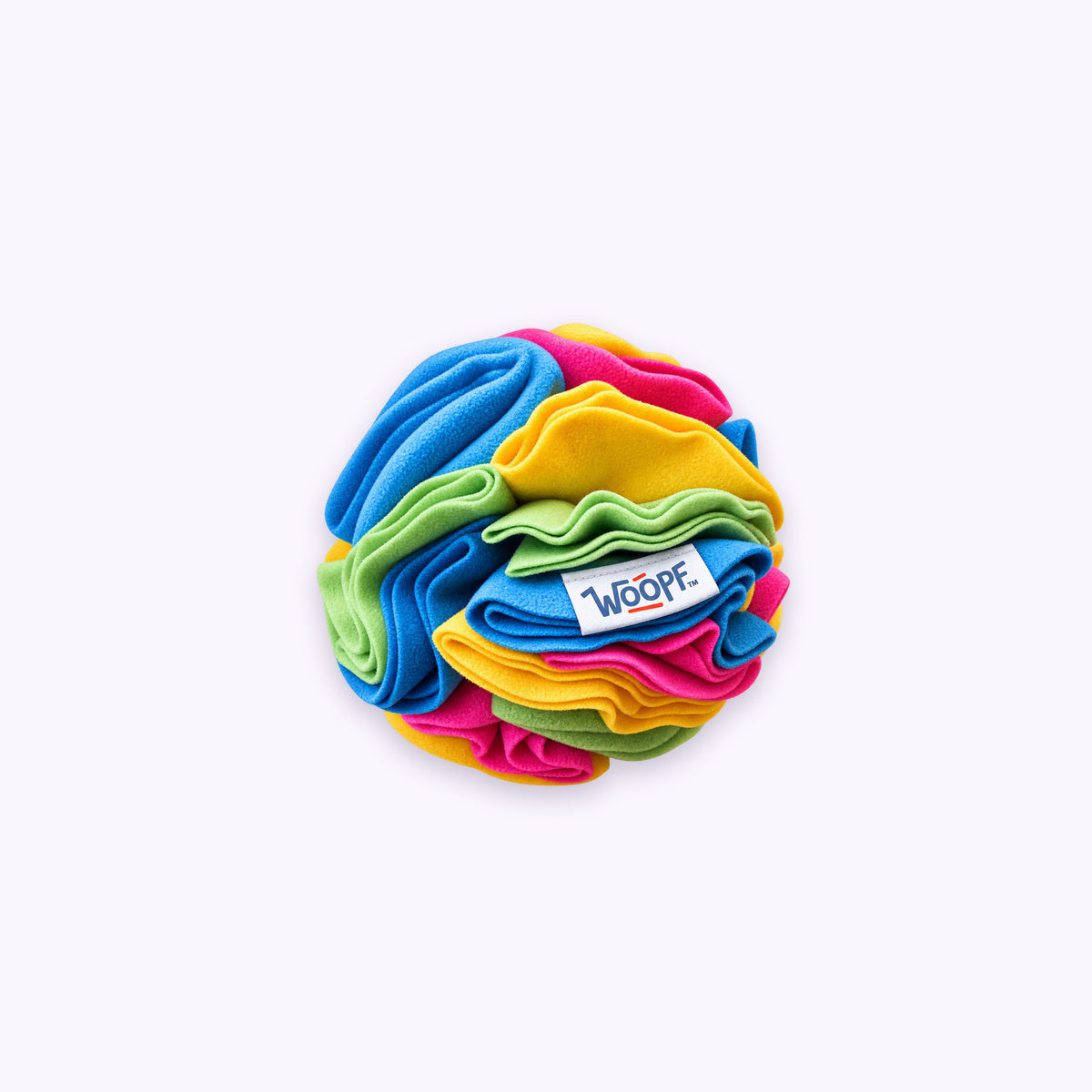
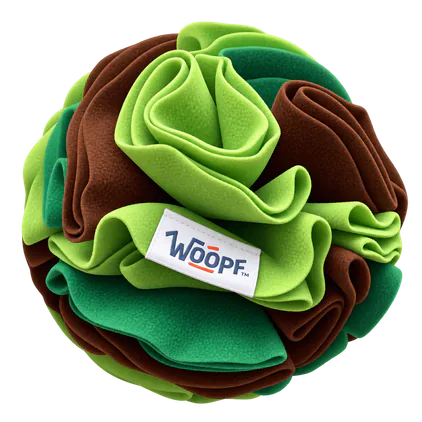
| 8:00 AM | Quiet chew or puzzle toy time (e.g., Woopf feeder) |
| 9:00 AM | Nap (1–2 hrs) |
| 11:00 AM | Short training session (5–10 mins), enrichment play |
| 12:00 PM | Lunch/snack, gentle play |
| 1:00 PM | Nap (1–2 hrs) |
| 3:00 PM | Enrichment or crate time with a toy |
| 4:30 PM | Dinner |
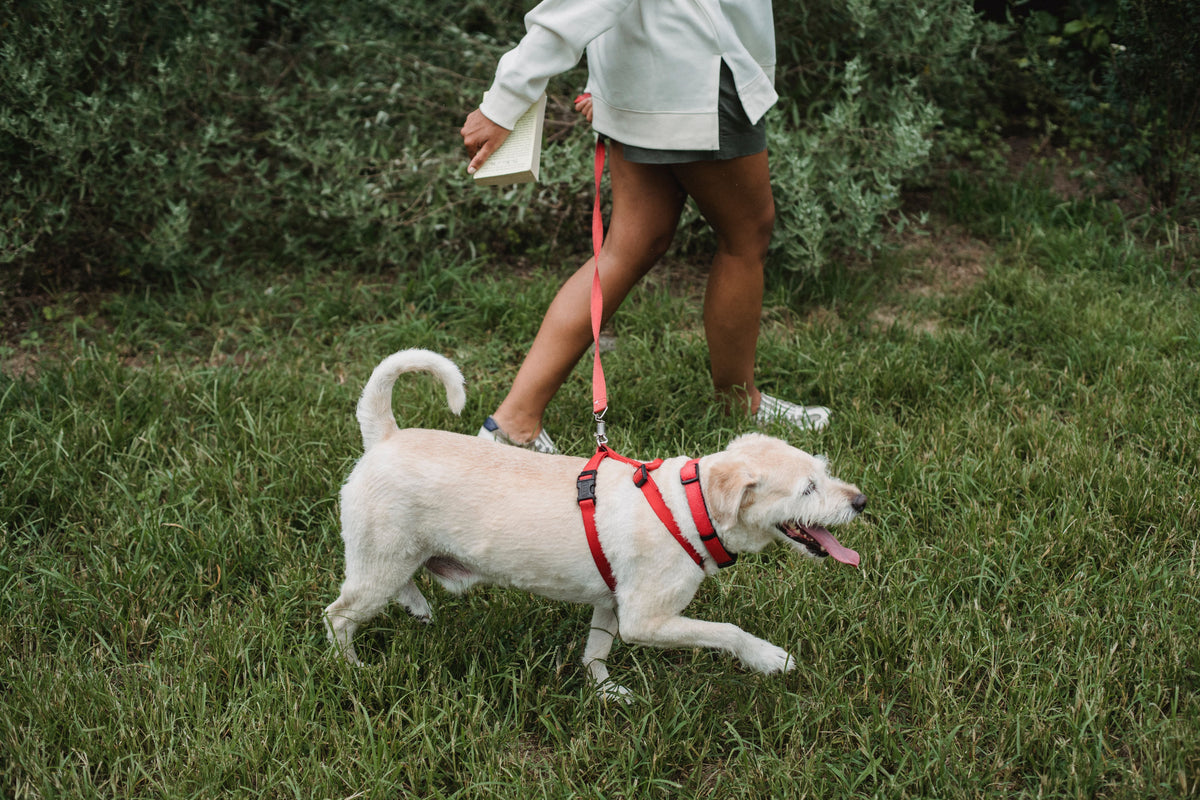
| 5:30 PM | Walk, light training, calm interaction |
| 7:00 PM | Puzzle or cuddle toy time |
| 8:00 PM | Final potty, settle in crate/bed |
Tip: Puppies thrive on short, focused activities. Training should be frequent but brief—5–10 minutes is ideal for young pups.
3. Tips for Customizing Your Puppy’s Day
Every puppy is different, and so is every household. Here’s how to tailor your routine:
Watch Energy Levels
Breeds like Border Collies, Labs, and Terriers may need more stimulation and structured activity. Conversely, toy breeds and brachycephalic breeds (e.g., French Bulldogs) tire more quickly and need shorter sessions.
Use Feeding Time as Training
Mealtime is a golden opportunity for teaching basics like:
-
Sit
-
Wait
-
Touch
-
Name recall
This builds manners while keeping your pup engaged.
Rotate Toys to Keep Things Fresh
Too many toys out at once = boredom. Rotate 3–4 toys weekly to maintain novelty and mental stimulation.
Socialization Windows Matter
The critical socialization period is between 8–16 weeks. Gently expose your pup to:
-
New people
-
Controlled sounds (e.g., traffic, vacuums)
-
Safe surfaces (grass, wood floors, concrete)
-
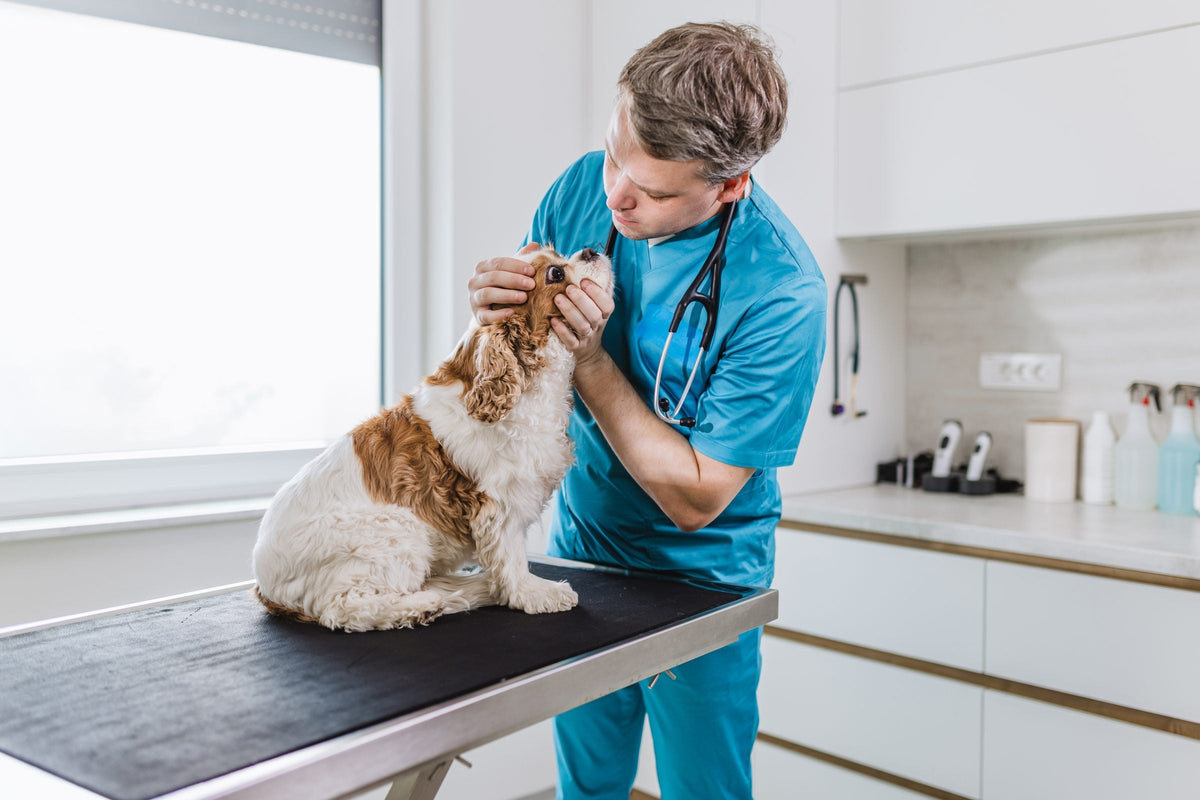
Vet visits (make them positive!)
Socialization is not flooding. Go slow, pair new experiences with treats, and watch your pup’s body language.
4. Real-Life Adjustments for Busy Families
Life gets busy. Here are quick ideas for staying consistent without the pressure of a “perfect” schedule:
-
Work from home? Use quiet puzzle toys during calls.
-
Kids at school? Align puppy naps with school runs.
-
Dinner chaos? Use a crate or pen with a frozen Kong during prep time.
-
Out all day? Consider a dog walker, puppy daycare (once vaccinated), or trusted neighbor check-ins.
Final Thoughts
A routine is the foundation of a well-adjusted, healthy puppy. It shapes everything—potty training, learning, bonding, and emotional well-being.
Start with a basic structure
Adjust as your pup grows
Focus on progress, not perfection
Consistency creates confidence. And a confident puppy grows into a well-balanced dog you can take anywhere.
Recommended by Dr Duncan
Vet-designed gear for what you have just read about.
- Balle Renifleur avec Bruits CraquantsShop
Hide treats & keep dogs engaged through sniff, search & crackle sounds
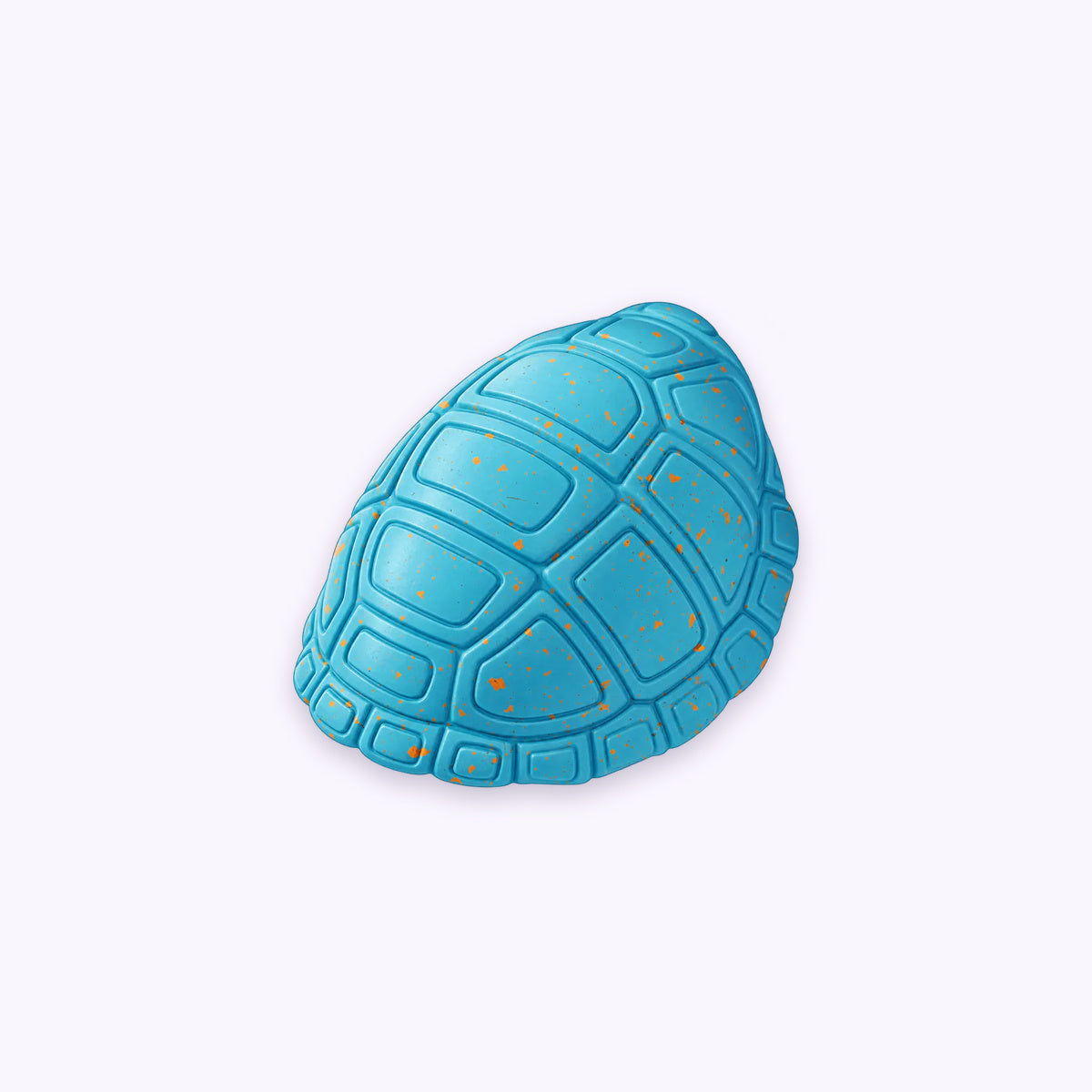
- Jouet Chewster Coquille de TortueShop
For power chewers. Slow-release treat play for focused sniff & chew sessions
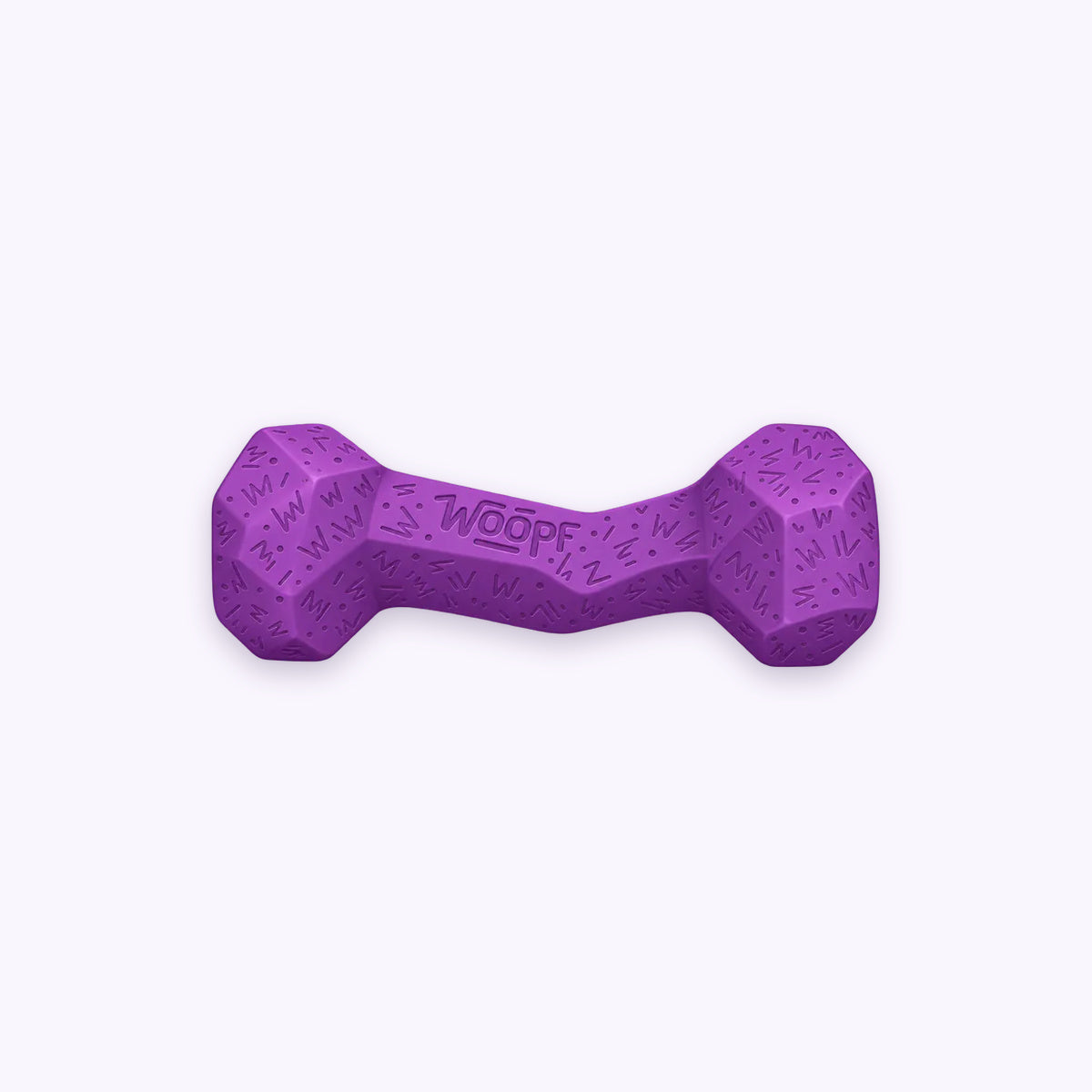
- Os Blocky ChewsterShop
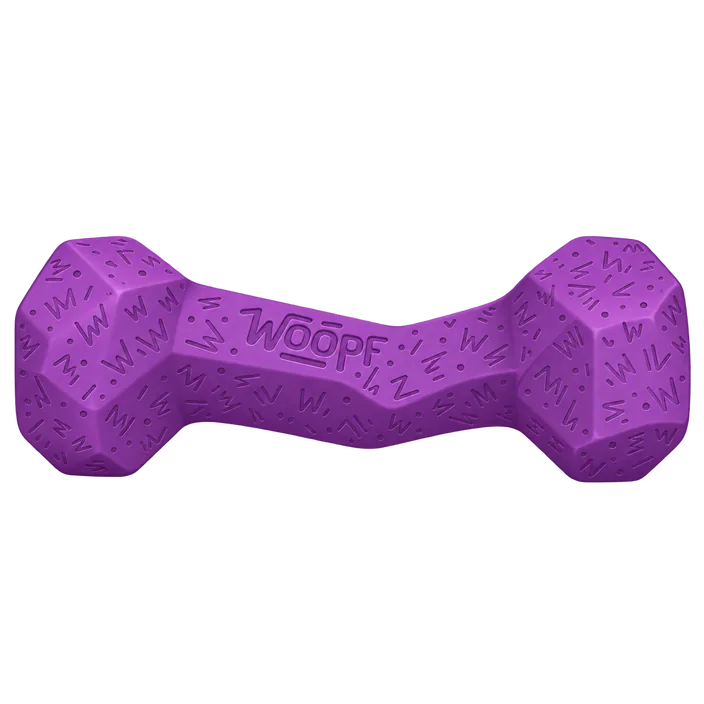
For power chewers. Roll, chase & earn treats through chew play