




Vaccinations are essential for protecting your dog from serious illnesses, including distemper, parvovirus, rabies, and more. While vaccines are generally safe and effective, some dogs may experience mild, moderate, or rarely, severe reactions. Understanding these reactions and knowing what to watch for can help you respond promptly and keep your dog safe.
🟢 Mild Reactions
Mild reactions are common and usually resolve on their own within 24–48 hours. These can include:
-
Mild fever – Your dog may feel slightly warmer than usual.
-
Sleepiness or lethargy – Temporary fatigue is normal after vaccination.
-
Reduced appetite – Your dog might eat a little less than usual.
-
Mild swelling or soreness at the injection site – A small lump or tenderness may appear where the vaccine was given.
Tip: Applying a gentle, cool compress to the injection site can help soothe any discomfort.
🟡 Moderate Reactions
Less common but potentially concerning reactions may require veterinary attention. Signs include:
-
Vomiting or diarrhea
-
Hives or facial swelling
-
Persistent coughing or difficulty breathing
-
Lameness or joint swelling
Action: If your dog exhibits any of these signs, contact your veterinarian promptly. They may provide medications or supportive care to manage the reaction.
🔴 Severe Reactions (Rare)
Severe reactions are uncommon but can be life-threatening. Seek immediate veterinary care if your dog shows:
-
Collapse or seizures
-
Difficulty breathing or excessive panting
-
Pale or bluish gums
-
High fever
-
Swelling around the eyes, muzzle, or neck
Note: Severe reactions typically occur within minutes to a few hours post-vaccination, so close observation during this period is crucial.
🕒 Monitoring Tips
-
Observe your dog for the first 24–48 hours after vaccination.
-
Keep your dog calm and provide a comfortable, quiet space to rest.
-
Monitor for changes in behavior, appetite, or physical condition.
-
Document any reactions and share them with your veterinarian.
🐶 Every Dog is Different
Each dog may respond differently to vaccinations based on factors such as age, breed, health status, and the type of vaccine. Always consult your veterinarian regarding your dog’s specific vaccination plan, expected reactions, and when to seek medical attention.
Vaccines are crucial for your dog’s long-term health, and most dogs experience only minor, temporary effects. With careful monitoring and prompt action when needed, you can help your dog stay healthy and safe after vaccination.
Recommended by Dr Duncan
Vet-designed gear for what you have just read about.
- Balle Renifleur avec Bruits CraquantsShop
Hide treats & keep dogs engaged through sniff, search & crackle sounds
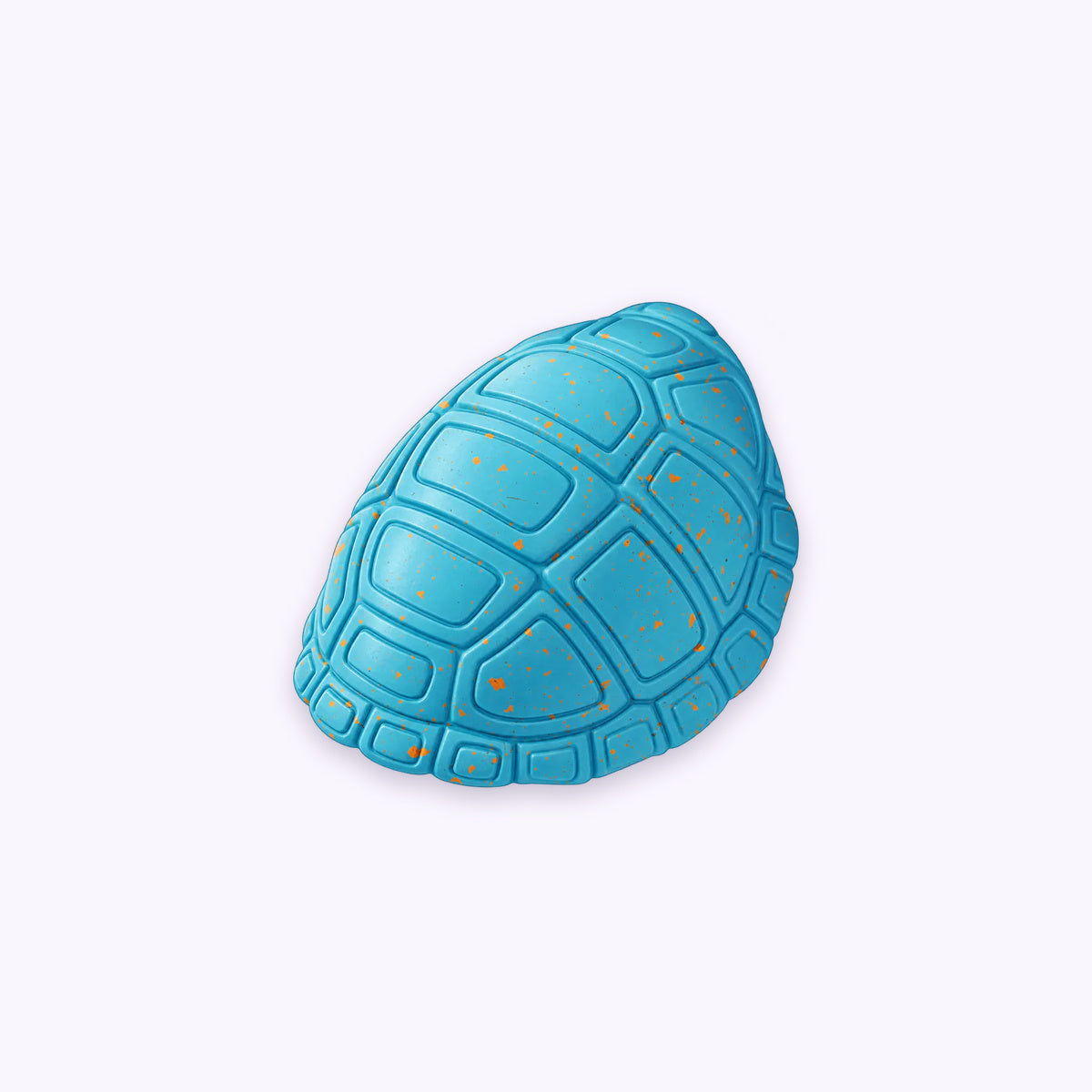
- Jouet Chewster Coquille de TortueShop
For power chewers. Slow-release treat play for focused sniff & chew sessions
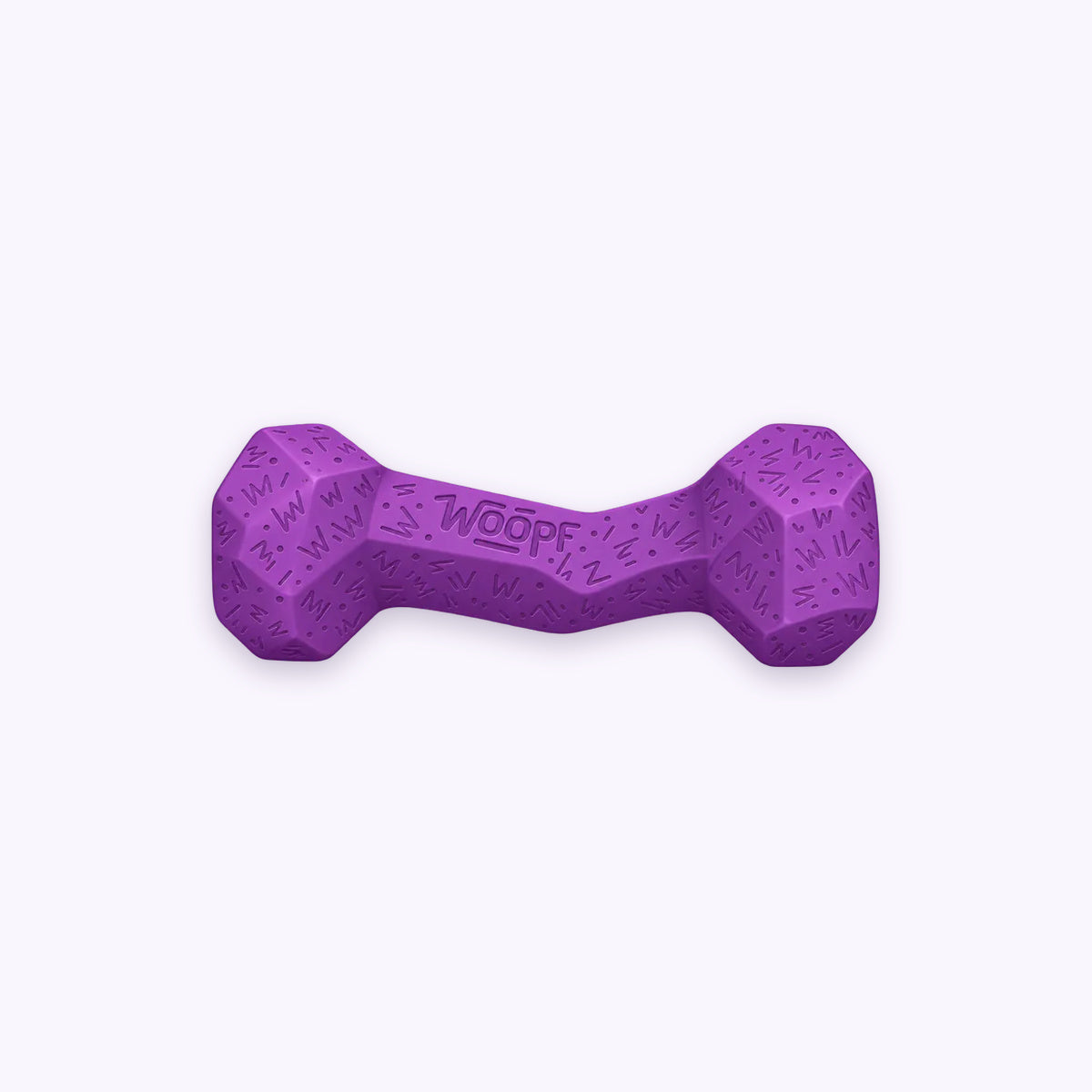
- Os Blocky ChewsterShop
For power chewers. Roll, chase & earn treats through chew play