
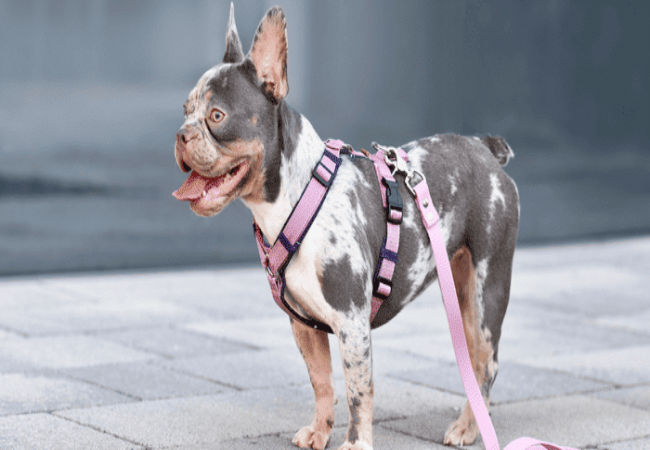


Most harnesses claim to be “no-pull,” “escape-proof,” or “comfortable.” But as a practicing vet, I’ve seen how often they fail—and how harmful a poor design can be to a dog’s body, behavior, and long-term health.
That’s why I created Woopf. Our harnesses are designed not just to look good or sell well, but to pass the real-life test of everyday dogs with real needs.
Here’s exactly what I assess when reviewing or designing a dog harness—because it’s about more than just clips and colors.
1. Proper Anatomical Fit
A good harness must follow the natural contours of the dog’s body without interfering with movement. What I check:
- Y-front chest structure that stays below the neck and above the forelegs
- No horizontal straps pressing against the scapula (shoulder blade)
- Freedom of movement during walk, jog, turn, and sniff
Why it matters: Harnesses that sit too high or shift sideways can lead to long-term strain, gait issues, and behavior breakdowns.
2. No Pressure on the Neck or Trachea
Whether you have a puppy, a senior, or a strong puller, neck pressure is always risky. Collars and high-riding harnesses can cause:
- Tracheal collapse (especially in brachycephalic or toy breeds)
- Disc injuries or nerve compression in the neck
- Compensatory tension in the back and shoulders
The Woopf Explorer Harness is built specifically to redirect leash pressure away from the neck.
3. Dual Clip Functionality
I always recommend front + back clip options:
- Front clip: For training, reactivity, and redirection
- Back clip: For relaxed walks or dogs with strong leash manners
This flexibility supports your training goals without needing two different harnesses.
4. Padding + Material Quality
Veterinary clinics often see dogs with:
- Hair loss under armpits
- Skin infections from moisture-trapping materials
- Rashes or sores caused by friction
That’s why I look for:
- Soft, breathable padding
- No exposed stitching at friction points
- Waterproof or fast-drying webbing (like our Sealskin range)
5. Escape Resistance
Too many dogs have slipped out of harnesses during a fearful moment—and it’s heartbreaking.
I design all Woopf harnesses with:
- Four-point adjustment for full-body fit
- Chest coverage that stabilizes, not restricts
- Strong, rust-proof hardware that won't fail under tension
6. Stability During Movement
I watch how a harness stays in place when a dog:
- Lunges
- Walks quickly or trots
- Sniffs and pivots
Harnesses that ride up, slide to the side, or twist can increase anxiety and reduce response to leash cues.
What I Hear from My Clients
“My dog used to slip his harness constantly. Now I walk with confidence knowing he’s secure.” – Rescue Owner, Sydney
“We tried five different ones. Woopf is the only one that doesn’t rub her underarms.” – Vet Nurse, Brisbane
My Go-To Vet-Designed Walking System
- Explorer Harness – Vet-designed for control, comfort, and fit
- Bungee Lead – Reduces leash shock and improves handler comfort
- Dual Pocket Treat + Bag Dispenser – Essential for reward-based training
Final Thoughts
Not every dog harness is made with veterinary input. That’s why I started Woopf—because I needed gear I could recommend confidently to patients, rescues, and my own dogs.
Every feature we include exists for a reason. Try the Vet-Built Explorer Harness Today →
Recommended by Dr Duncan
Vet-designed gear for what you have just read about.
- Harnais Anti-Tirage ExplorerShop
No-pull training harness with adjustable fit
- Sacs Poop & Go 100% CompostablesShop
100% compostable & plant-based
- Laisse Élastique ExplorerShop
Run together. Designed for pullers & high-energy dogs