





A dog’s sense of hearing is incredibly powerful, far surpassing that of humans. This heightened auditory ability is a key part of their evolution as hunters, protectors, and companions. Understanding how dogs hear can help you better communicate with your furry friend and appreciate their remarkable senses.
🐕 Dogs vs Humans: The Hearing Range
Dogs can hear sounds from 40 Hz up to 60,000 Hz, while humans typically hear between 20 Hz and 20,000 Hz. This means dogs can detect higher-pitched sounds that are completely inaudible to us, like the ultrasonic noises from some dog whistles or small animals.
Not only can dogs hear higher frequencies, but they can also detect sounds from distances up to four times farther than humans, allowing them to notice approaching footsteps, distant calls, or even the rustle of small creatures.
🎯 What Makes Dogs’ Hearing So Sensitive
Several unique features contribute to their extraordinary hearing abilities:
-
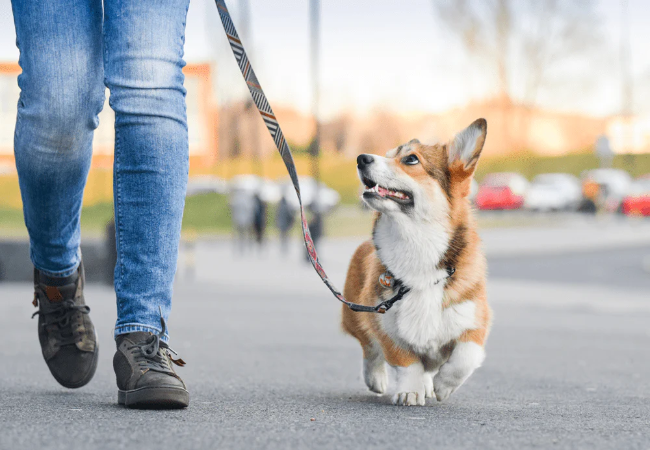
Ear Muscles – Dogs have around 18 muscles in each ear, allowing them to rotate, tilt, and move their ears independently. This ability helps them pinpoint the exact location of a sound quickly.
-
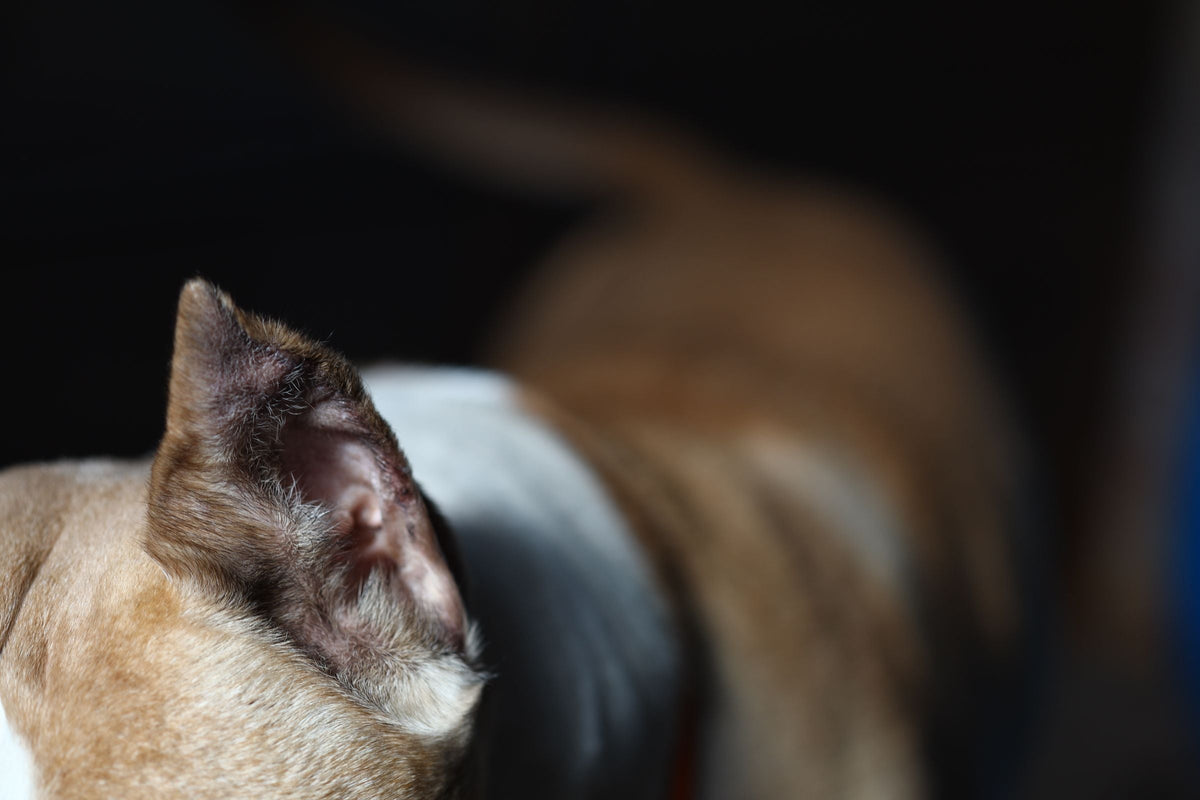
Ear Shape – The external shape of a dog’s ears, especially upright or pointed ears, acts like a funnel to amplify sound waves. Floppy ears may reduce this effect slightly but still provide excellent hearing.
-
Acute Sensitivity – Dogs have more auditory nerve cells than humans, allowing them to detect quieter sounds and respond faster to their environment. This is why a dog may react to distant noises long before you even notice them.
🐶 Factors Affecting Hearing
-
Breed – Some breeds, like German Shepherds or Cocker Spaniels, may have more acute hearing than others.
-
Age – Older dogs may experience hearing loss, similar to humans.
-
Individual Traits – Just like humans, some dogs naturally have sharper hearing than others.
📝 Why It Matters
Dogs rely heavily on their hearing for communication, hunting instincts, safety, and even emotional bonding with their owners. Understanding their ability to hear subtle sounds can help you train them effectively and notice changes that could indicate hearing problems.
If you ever notice your dog not responding to sounds they used to hear, or if they start showing signs of disorientation, it’s a good idea to consult your veterinarian for a hearing check.
Recommended by Dr Duncan
Vet-designed gear for what you have just read about.
- パリパリ音付きスナッフルボールShop
Hide treats & keep dogs engaged through sniff, search & crackle sounds
- チュースター タートルシェルおもちゃShop
For power chewers. Slow-release treat play for focused sniff & chew sessions
- チュースター ブロッキー ボーンShop
For power chewers. Roll, chase & earn treats through chew play