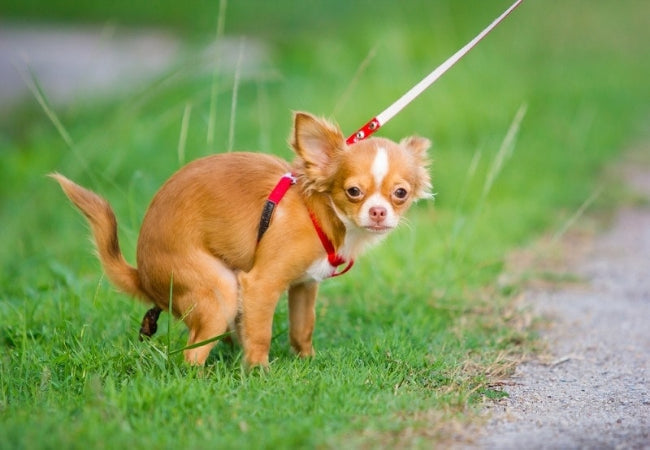


It might not be glamorous—but your puppy’s poop is a powerful health signal. From chocolate-brown logs to tarry, bloody, or mucus-coated stool, each variation tells a story your pup relies on you to read. This guide helps you interpret stool signs—from color and consistency to worms, blood, and foreign matter—with vet-level clarity and compassion.
1. Normal Stool: What It Should Look Like
Healthy puppy stool resembles a chocolate-brown log, firm but soft, and passed once per day (young pups may go 2–4x/day).
- Color: Chocolate to coffee brown—due to bile breakdown.
- Shape & consistency: Sausage/log-shaped, segmented, Play‑Doh-like texture.
- Frequency: Puppies may go multiple times daily; adults typically 1–2 times.
- Odor: Faint, mild—shouldn’t be overwhelming.
2. Yellow or Orange Stool
Yellow‑orange stool may stem from fat malabsorption, dietary changes, stress, or bile issues.
- Occasional mild: Often after chicken-and-rice diets—monitor for improvement.
- Frequent yellow diarrhea: Could indicate biliary, pancreatic, or hepatic distress—if persistent, veterinary guidance is needed.
- Consistency: Soft, pudding-like stool is variable—monitor changes in form and appetite.
3. Green Stool
Green stool often means grass ingestion or rapid transit time from stress or diet change—but persistent green suggests gallbladder or biliary issues.
- Occasional green is typically harmless; persistent green requires a vet check.
- Look for other signs—vomiting, appetite loss, lethargy.
4. Black or Tarry Stool
Black, tarry (melena) stool is serious—it indicates bleeding in the upper gastrointestinal tract. Immediate vet care is required.
5. Red Streaks or Blood
Bright red blood in stool may signal colonic inflammation, anal trauma, parasites, or ingestion of foreign objects.
- Small streaks with no other signs—call Ask A Vet for initial advice.
- Large amounts—urgent vet visit.
6. Watery Diarrhea
Loose, liquid stool in puppies can stem from stress, diet changes, infections (parvo, distemper), parasites, or ingestion of non-food items.
- Monitor mild cases; if lasting >24–48 hrs or with vomiting/lethargy/fever → vet visit.
- Use rehydration fluids under vet guidance.
7. Hard, Pelleted or Constipated Stool
Small, hard, pellet-like stool suggests dehydration or insufficient fiber.
- Ensure free water, gently add fiber (pumpkin), and consult Ask A Vet if persistent.
8. Mucus-Coated or Slimy Stool
Mucus may indicate colitis or intestinal irritation—sometimes from stress, sudden change, or infection.
- A hint of mucus—monitor closely.
- Large amounts—needs veterinary evaluation.
9. Worms or Foreign Matter
Seeing worms hints at parasite infection—tapeworms appear as rice-like segments, roundworms as spaghetti-like worms—both need fecal tests and deworming.
Finding plastic, bones, or hair suggests ingestion and possible GI obstruction—photo & vet consult recommended.
10. Foul Odor & Excessive Stench
An unusually strong odor suggests maldigestion—often from poor diet quality or infections.
11. Frequency & Routine Changes
Pay attention—regularity is key. Puppies may go 2–4 times daily; adults generally 1–2 times.
- Too frequent (>5/day) or absence >48 hrs—call Ask A Vet.
- Changes may stem from diet, meds, stress, or illness.
12. Stool Guide at a Glance: The 4 C’s
- Color: Chocolate brown is healthy; any red, black, yellow, green, or grey is a red flag.
- Consistency: Play‑Doh texture is best; watery or hard suggests illness or dehydration.
- Content: Free from worms, debris, and excessive mucus.
- Coating: No extra slime or grease—may signal colitis or malabsorption.
13. Step‑by‑Step Puppy Poop Review Process
- Collect the latest stool; note color, consistency, frequency.
- Compare to your pup’s baseline and stool guide.
- Check for alarming signs (blood, black color, worms, mucus).
- If urgent—diarrhea >24hrs, tarry/black, blood, parasites, vomiting, fever—visit your vet or emergency clinic ASAP.
- Follow recommended treatments: deworming, diet change, hydration, diagnostics.
- Reintroduce supportive routines: bland diet, hydration, probiotics under advice.
14. Support Tools for Digestive Health
- Woopf Enrichment: Low-stress indoor puzzles and scent games can stimulate appetite and calm nerves.
15. When to Contact the Vet Immediately
- Black, tarry stools or large amounts of fresh blood.
- Persistent watery diarrhea >24 hrs in a puppy.
- Worms are visible in the stool.
- Stools are stuck in the anus or associated with straining.
- Accompanied symptoms: vomiting, fever, lethargy, dehydration.
16. Companion Tools & Log Templates
Download or print:
- Puppy Stool Checklist: Daily log tracking color, form, odor, worms/mucus, frequency, and mood.
- When to Call Vet Guide: Checklist of red flags to share with professionals.
- Post-treatment Tracker: To monitor recovery after deworming, GI upset, or meds.
17. Final Takeaways
- Your puppy’s poop is a vital health window—keep an eye on the 4 C’s.
- Use Ask A Vet for remote help before situations escalate.
- Always act on red flags—blood, black stool, worms, persistent diarrhea.
- Early detection saves lives and supports long-term well-being.
FAQs
Q: 普通の子犬のうんちはどのような見た目ですか?
Q: 子犬の便に虫がいるのは普通ですか?
Q: 食事の変更後、軟便はどのくらい続くべきですか?
Recommended by Dr Duncan
Vet-designed gear for what you have just read about.
- エクスプローラー二重ポケットポーチShop
Dual compartments for poop bags, treats & essentials
- Poop & Go 100%堆肥化可能バッグShop
100% compostable & plant-based
- Poop & Go 50%リサイクルバッグShop
Made from 50% recycled plastic