

Introduction: Fast, Furry, and Totally Normal
Puppy zoomies—aka frenetic random activity periods (FRAPs)—are sudden bursts of speed, excitement, and silliness. They’re hilarious, but also a sign your pup is processing big emotions or unmet needs. As a veterinarian, I see them as a healthy outlet when understood and handled well.
This guide covers:
- What causes puppy zoomies
- When zoomies are normal vs. concerning
- Safe ways to respond and redirect
1. What Are Zoomies?
Zoomies are short bursts of explosive energy—often involving running in circles, darting around furniture, or spinning playfully. Puppies may get them after naps, baths, or just before bedtime. It’s a release of tension, excitement, or surplus energy.
2. When Are Zoomies Normal? When Are They Not?
- Normal: Evening zoomies, post-nap excitement, or joy after eating
- Watch: If zoomies escalate into biting, knocking things over, or happen constantly
- Concerning: If accompanied by fear, stress, limping, diarrhea, or obsessive patterns
3. How to Respond to Zoomies Safely
- Provide a soft, open area for safe sprinting (no slippery floors!)
- Redirect with fetch, tug, or chase toys from Woopf
- Anticipate triggers: Schedule active playtimes before bedtime or crate rest
4. Common Mistakes to Avoid
- Chasing your puppy—it can turn chaotic fast
- Yelling or grabbing—this increases arousal or fear
- Ignoring patterns—recurrent zoomies often mean unmet needs
5. Final Thoughts
Zoomies are part of puppyhood—natural, necessary, and often just plain funny. With some planning, a safe space, and a little redirection, they become moments of joy, not chaos.
Recommended by Dr Duncan
Vet-designed gear for what you have just read about.
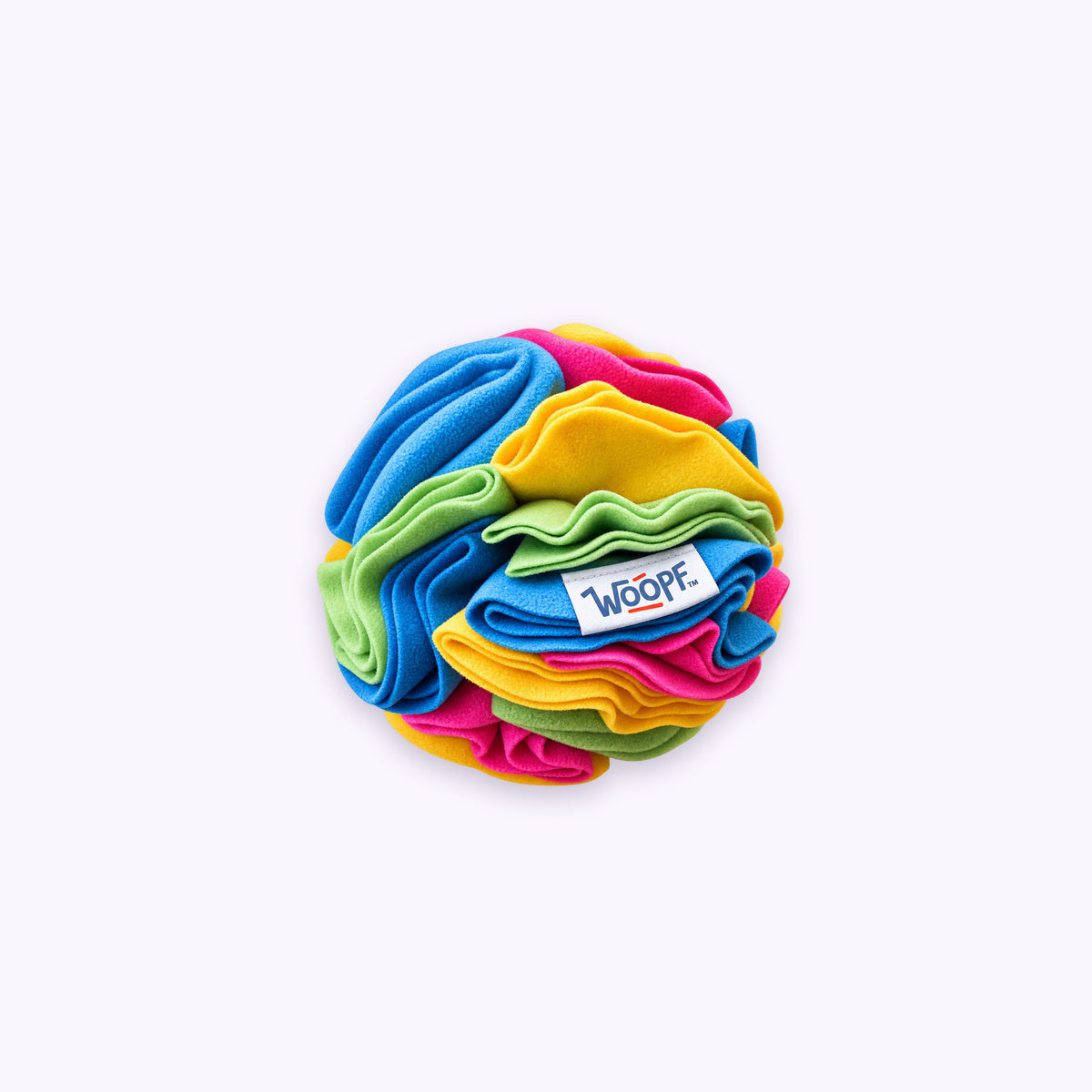
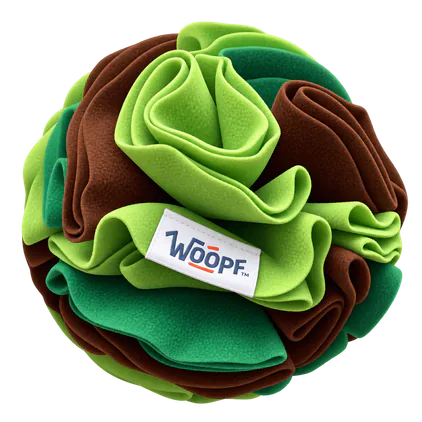
- 带响声的嗅闻球Shop
Hide treats & keep dogs engaged through sniff, search & crackle sounds
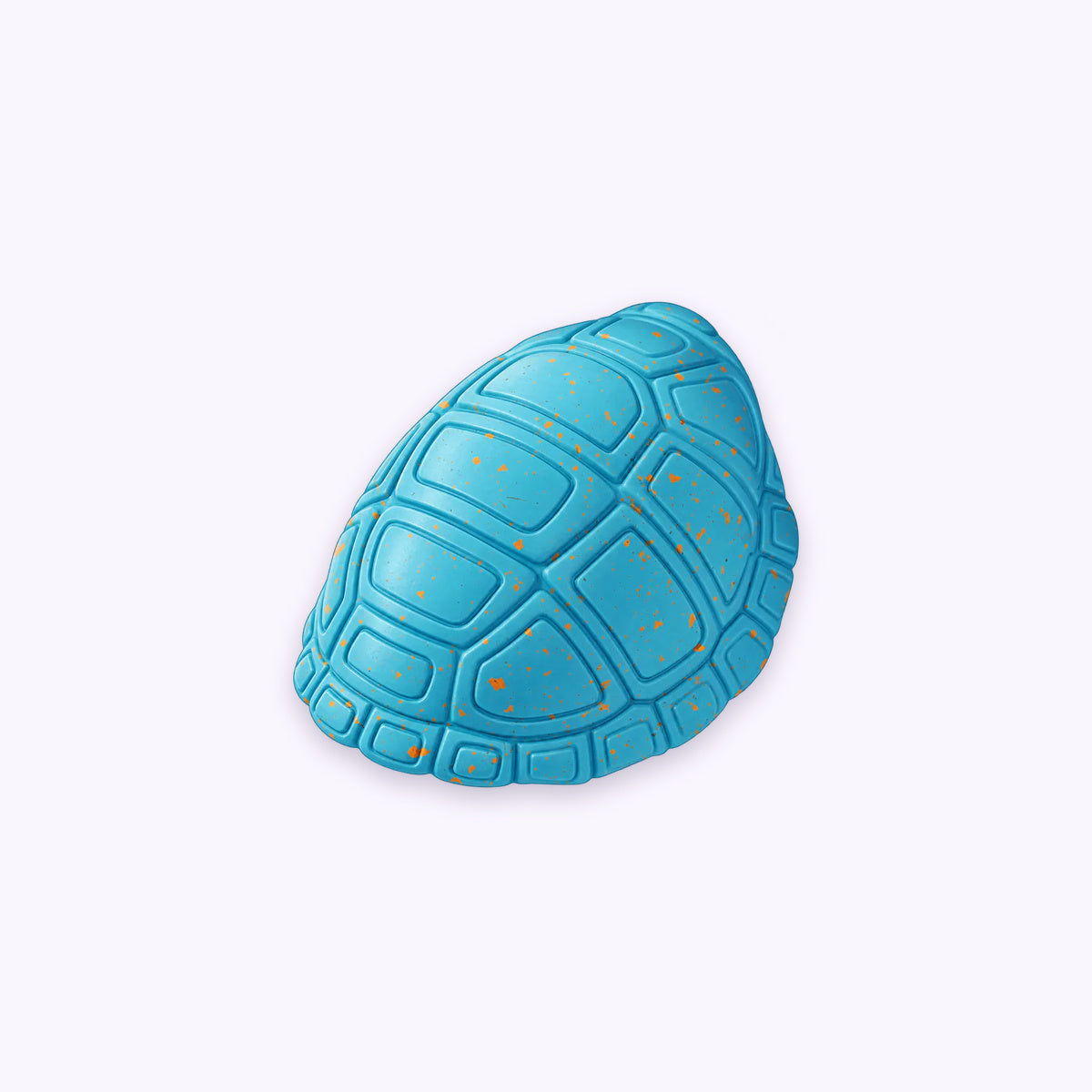
- Chewster 龟壳玩具Shop
For power chewers. Slow-release treat play for focused sniff & chew sessions
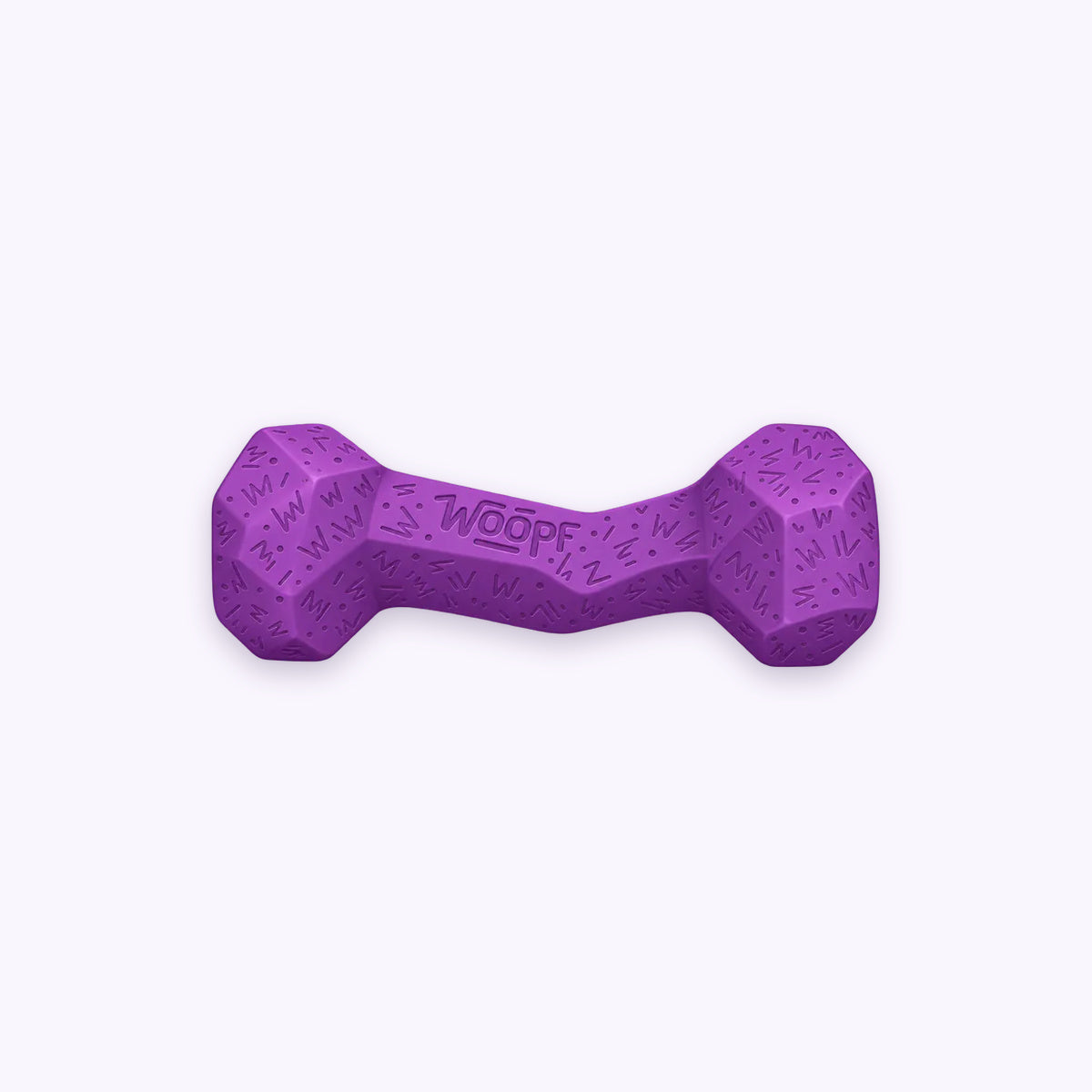
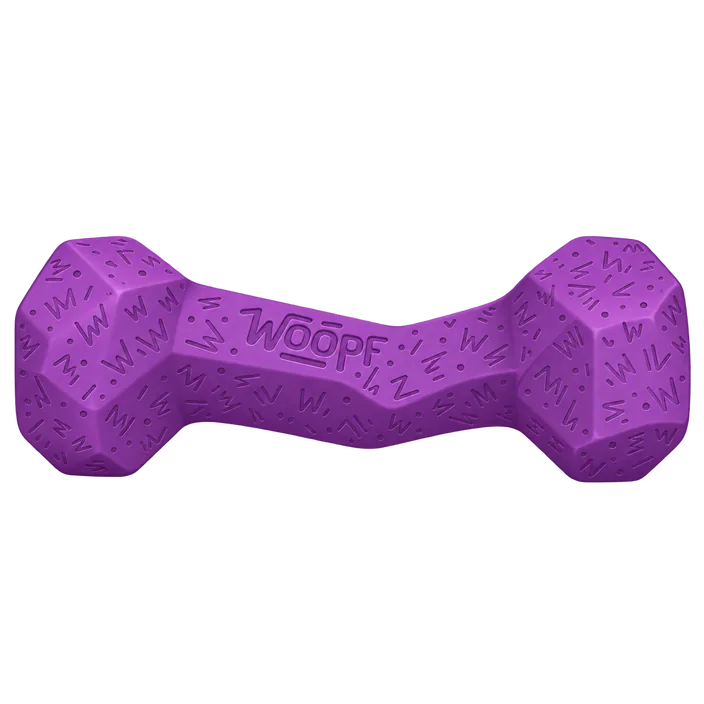
- Chewster 方块骨头Shop
For power chewers. Roll, chase & earn treats through chew play