

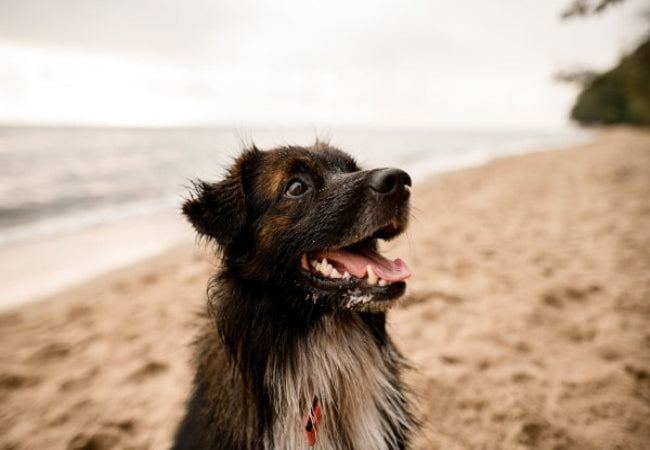


Doggy kisses are adorable—until that unmistakable smell hits. While mild “dog breath” can be normal, a persistent foul odor is usually a sign of an underlying problem. Understanding the causes and solutions can help you protect your pup’s oral and overall health.
Causes of Bad Breath in Dogs
-
Dental Disease
The most common culprit. Plaque and tartar buildup can lead to gingivitis, infection, and painful dental disease—all of which cause a foul odor. -
Diet
Unbalanced diets, low-quality food, or scraps that stick to teeth can worsen bad breath. -
Gastrointestinal Issues
Diseases affecting the stomach or intestines, such as gastroenteritis or tumors, can cause halitosis. -
Kidney Disease
Dogs with kidney problems often develop a urine- or ammonia-like smell on their breath. -
Diabetes
Sweet or fruity-smelling breath can indicate diabetes and should never be ignored. -
Oral Tumors
Tumors in the mouth may ulcerate, becoming infected and producing an especially foul odor. -
Foreign Objects
Sticks, bones, or food caught between teeth can quickly cause bacterial buildup and bad breath.
Vet-Approved Solutions
-
Regular Dental Checkups
Routine cleanings catch problems early and prevent plaque buildup. -
Brushing Teeth
Daily brushing with dog-safe toothpaste is the gold standard for fresh breath. -
Dental Treats & Toys
Specially designed chews scrape away plaque while keeping your dog entertained. -
Balanced Diet
A nutritious, species-appropriate diet helps prevent the buildup of odor-causing bacteria. -
Probiotics
May improve gut health and reduce bad breath linked to digestion. -
Water Additives
Enzyme-based solutions help reduce oral bacteria when added to drinking water. -
Medical Treatment
If bad breath is due to kidney disease, diabetes, GI issues, or oral tumors, treating the root condition is essential. -
Coconut Oil (in moderation)
Has mild antimicrobial benefits but should be vet-approved before use. -
Natural Chews
Options like rawhide-free dental sticks can safely reduce buildup. -
Parsley
A safe herb that can freshen breath in small amounts.
Final Thoughts
Bad breath in dogs isn’t just unpleasant—it’s often a sign that your pup’s oral or systemic health needs attention. Regular dental care at home, annual vet checkups, and quick action if odors change are the best ways to keep your dog’s smile healthy.
Recommended by Dr Duncan
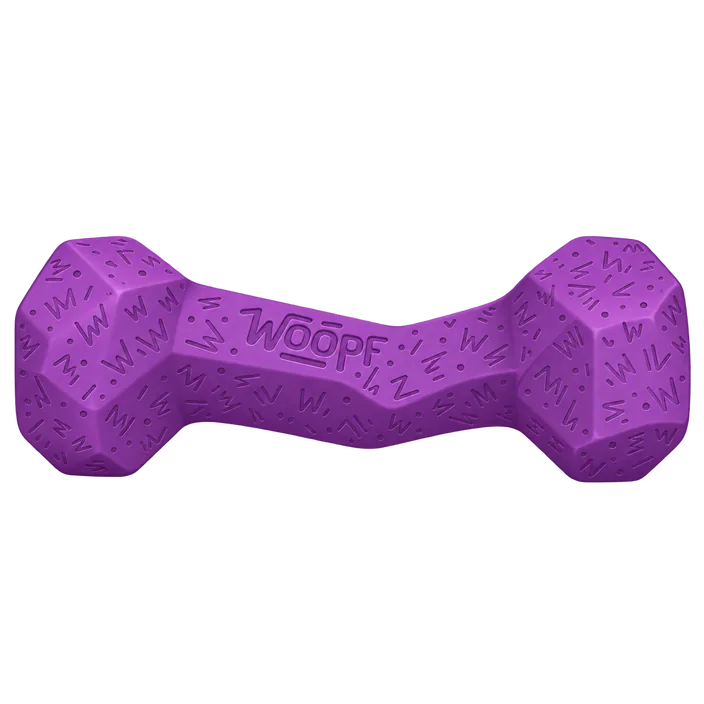
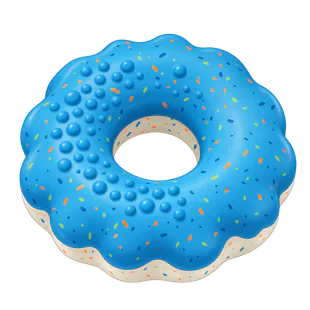
Vet-designed gear for what you have just read about.
- 带响声的嗅闻球Shop
Hide treats & keep dogs engaged through sniff, search & crackle sounds
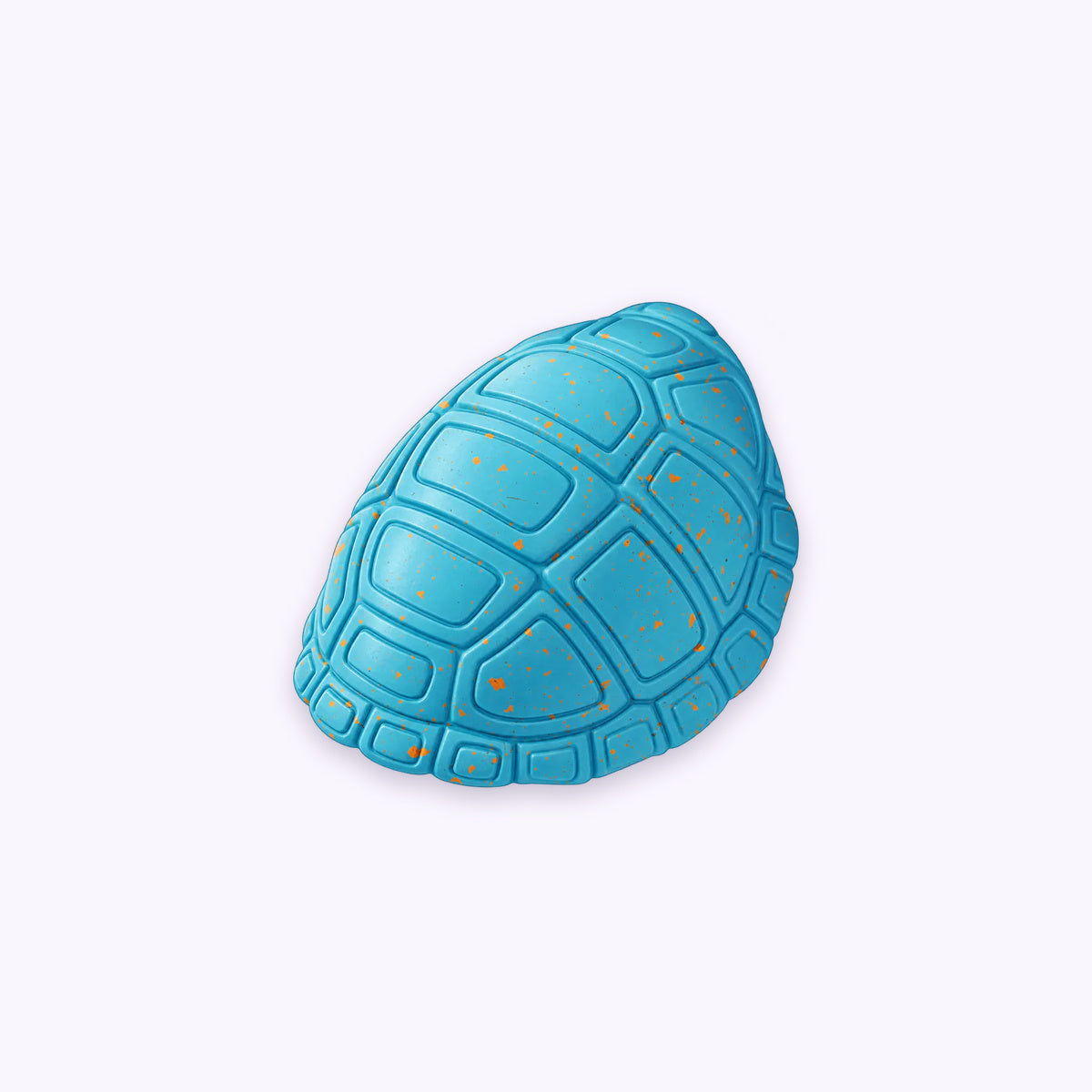
- Chewster 龟壳玩具Shop
For power chewers. Slow-release treat play for focused sniff & chew sessions
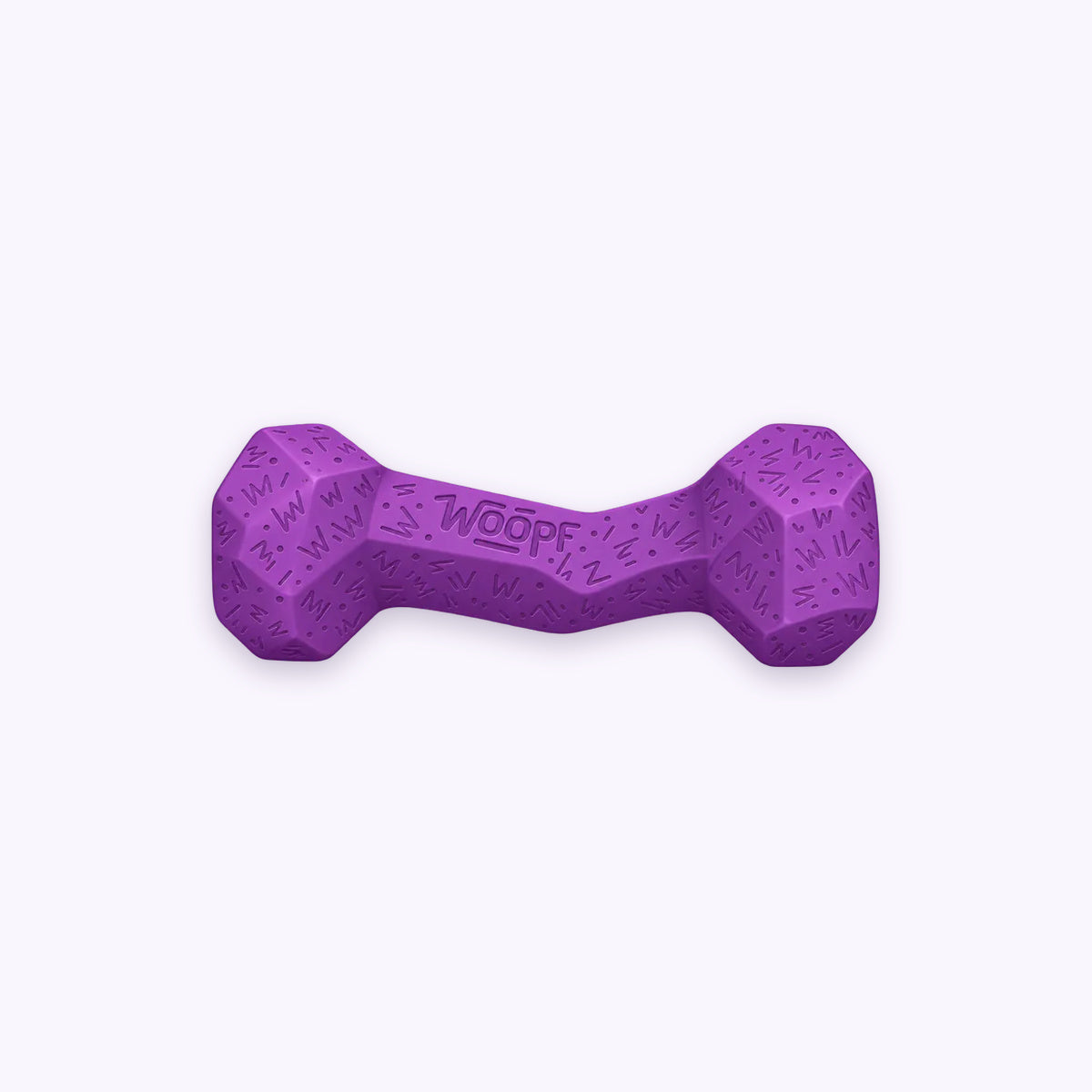
- Chewster 方块骨头Shop
For power chewers. Roll, chase & earn treats through chew play