

If you notice your dog frequently licking its paws, it could be a sign of an underlying issue. While occasional licking is normal, persistent paw licking may indicate discomfort, irritation, or even stress. Here are some common reasons why dogs lick their paws:
1. Allergies
Dogs can develop allergies to certain foods, environmental factors (like pollen or dust), or chemicals (such as cleaning products). Allergies often cause itchiness, and paw licking is a way for your dog to soothe the irritation.
2. Pain or Injury
Cuts, thorns, splinters, or other injuries to the paw can cause discomfort. Licking is your dog’s way of cleaning the wound, alleviating pain, or trying to remove the foreign object.
3. Dry or Cracked Paws
Cold weather, arid climates, or frequent exposure to rough surfaces can dry out your dog's paw pads. Licking provides temporary relief from itching or discomfort caused by dryness or cracks.
4. Infection
Bacterial or fungal infections in the paws can cause redness, swelling, or odor. Dogs may lick the affected area to ease irritation, but licking can sometimes worsen the condition.
5. Parasites
Fleas, ticks, or mites can irritate your dog’s skin and paws, leading to excessive licking as a self-soothing behavior.
6. Anxiety or Boredom
Some dogs lick their paws to self-soothe when stressed, anxious, or bored. This repetitive behavior can become a habit if not addressed.
When to See a Vet
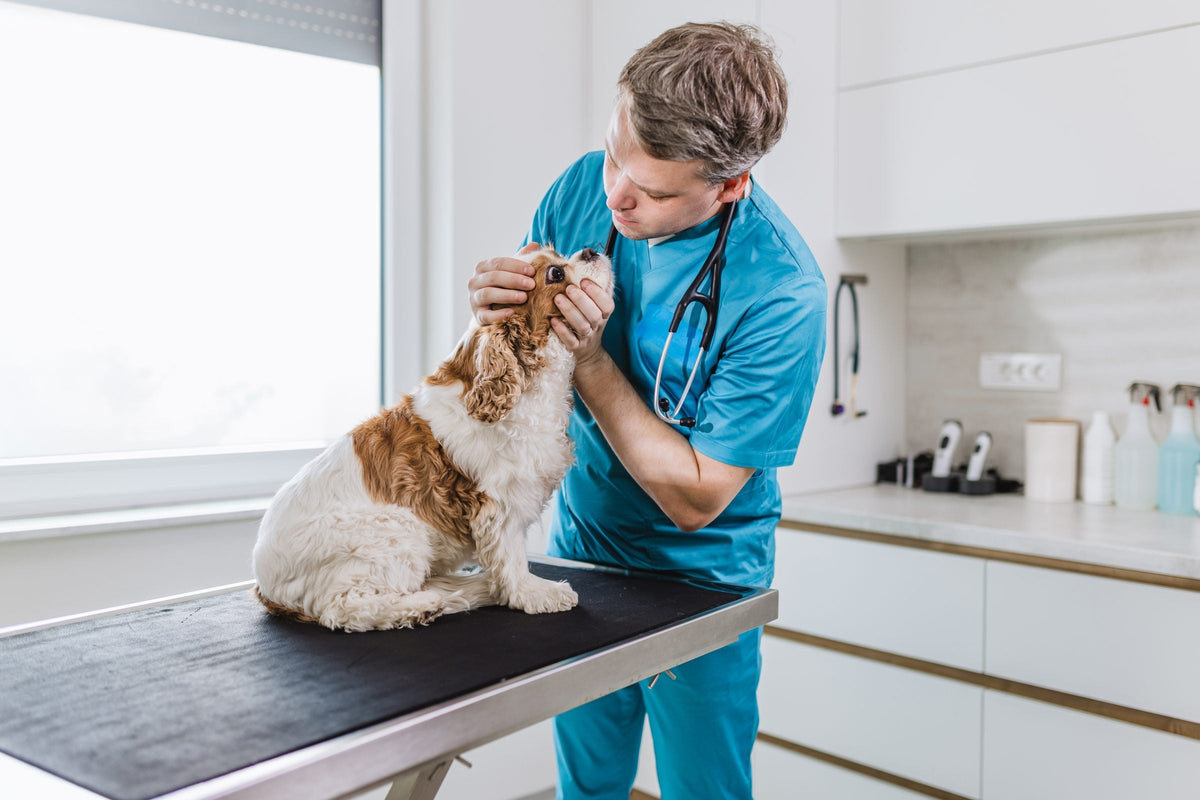
If paw licking becomes excessive, persistent, or is accompanied by redness, swelling, limping, odor, or bleeding, consult your veterinarian. They can help determine the underlying cause and recommend appropriate treatment, from medicated creams to allergy management or behavioral strategies.
Recommended by Dr Duncan
Vet-designed gear for what you have just read about.
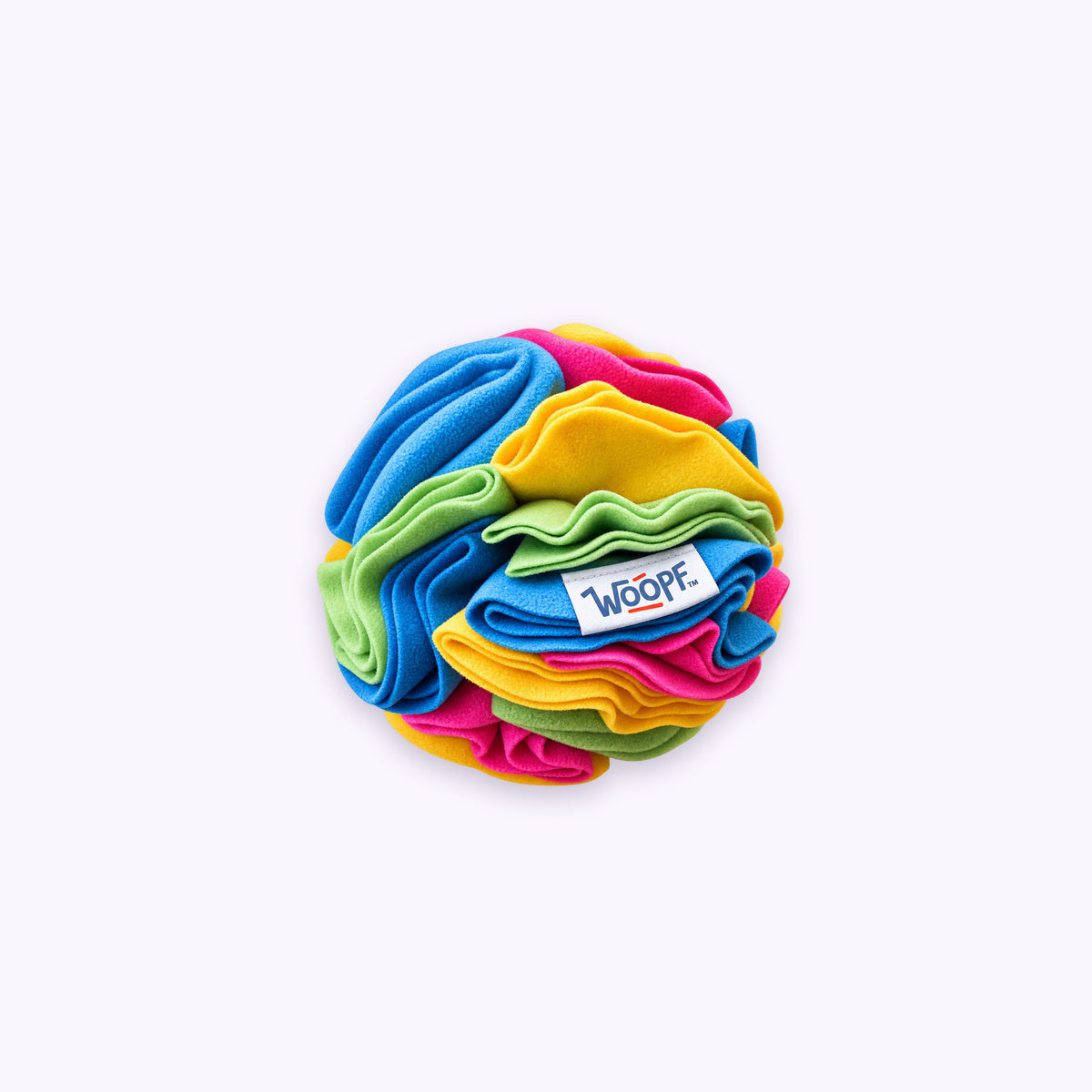
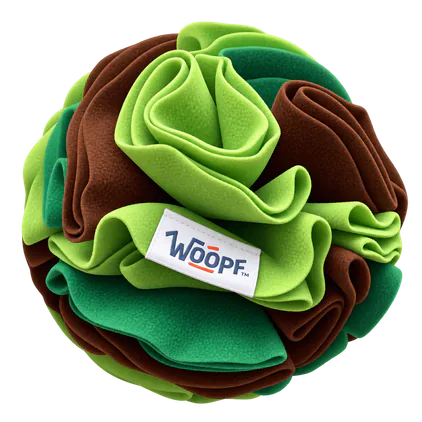
- 带响声的嗅闻球Shop
Hide treats & keep dogs engaged through sniff, search & crackle sounds
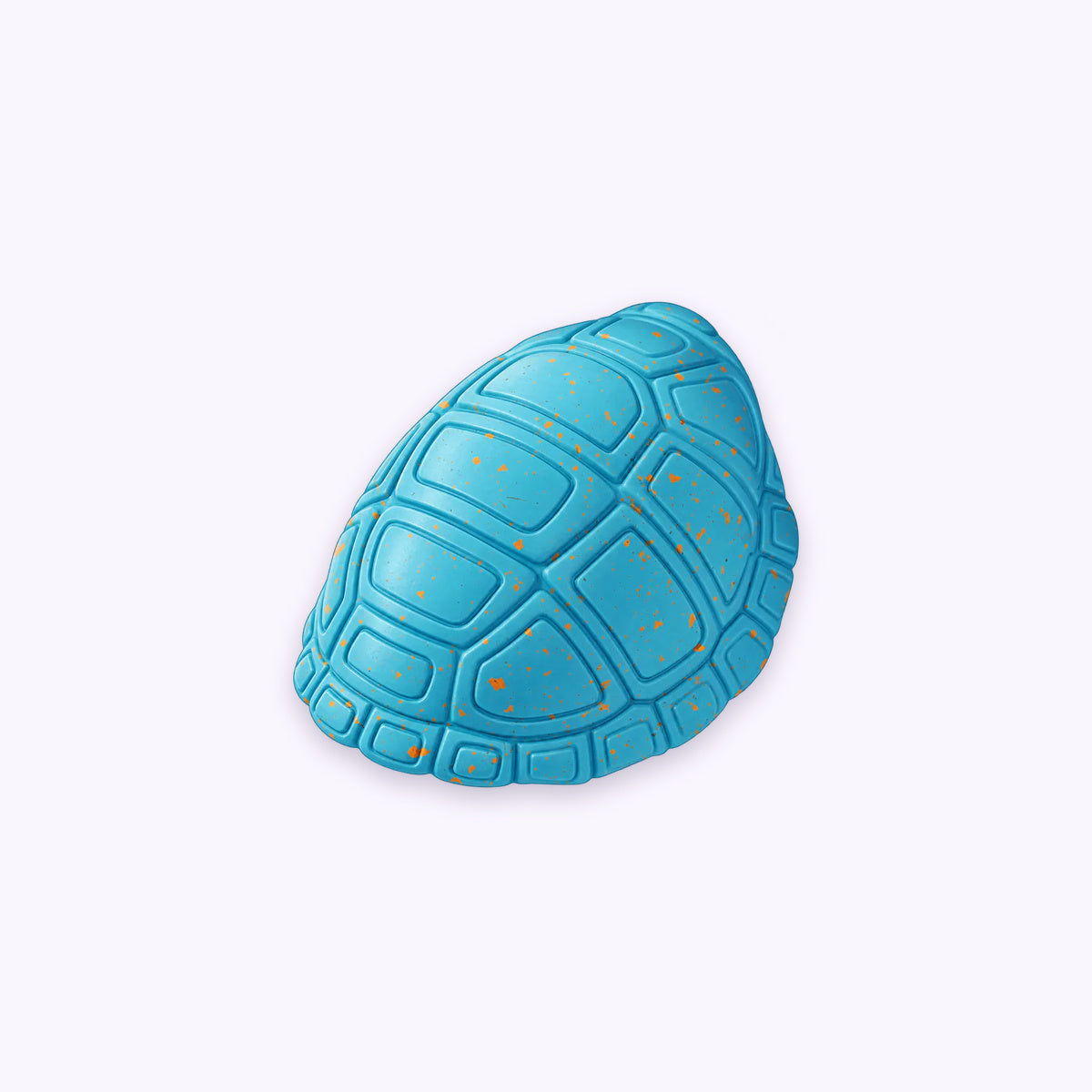
- Chewster 龟壳玩具Shop
For power chewers. Slow-release treat play for focused sniff & chew sessions
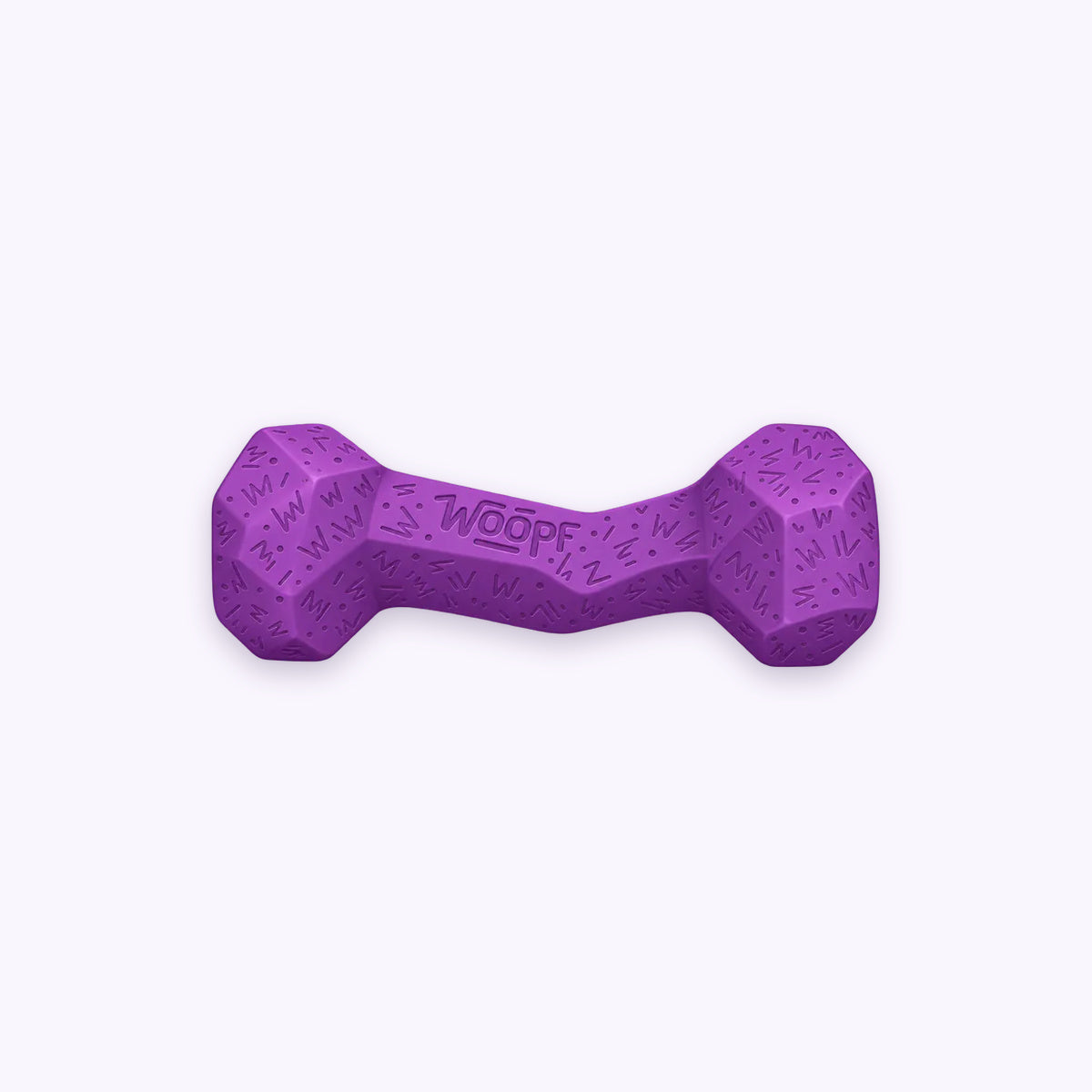
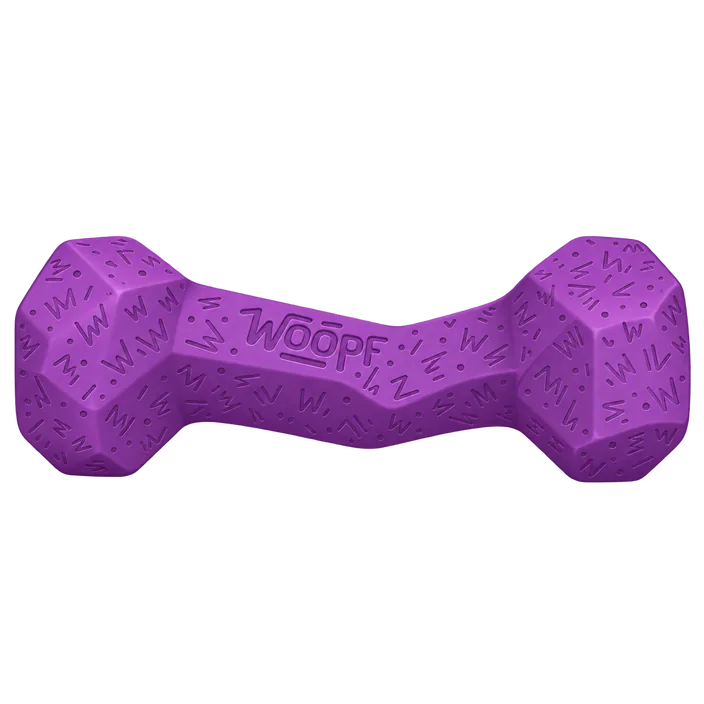
- Chewster 方块骨头Shop
For power chewers. Roll, chase & earn treats through chew play