


Is your puppy suddenly chewing everything in sight—your shoes, furniture, hands, and even their own leash? They’re not being naughty. They’re teething.
I’m Dr. Duncan Houston, veterinarian and founder of Woopf. Teething is a normal (and temporary!) stage of puppyhood—but without proper support, it can cause pain, frustration, and bad long-term habits. This guide will walk you through what to expect, what to avoid, and how to help your teething puppy safely.
What Is Puppy Teething?
Puppies are born without teeth. Their baby (deciduous) teeth come in between 3–6 weeks of age, and their adult teeth start pushing through around 12–16 weeks.
Teething Timeline:
- 3–6 weeks: Baby teeth erupt (usually while still with the breeder)
- 12–16 weeks: Adult teeth start to come in
- 4–6 months: Most active teething phase (chewing everything)
- 6–8 months: Teething ends, all adult teeth in place
Signs Your Puppy Is Teething
- Increased chewing or biting (especially on hands, leads, or furniture)
- Slight gum bleeding (especially after chewing)
- Drooling or pawing at the mouth
- Irritability or restlessness
- Occasional loss baby teeth (you may find them on the floor or in toys)
Vet Tip: Mild discomfort is normal. But if your puppy refuses food or cries when chewing, consult a vet to rule out other issues.
Best Ways to Help a Teething Puppy
1. Offer Frozen Chews
- Freeze a wet washcloth or use a frozen carrot
- Freeze dog-safe bone broth in silicone toys
- Use a stuffed and frozen Kong for long-lasting comfort
2. Rotate Chew Textures
Puppies need options to discover what soothes them best.
- Soft rubber toys (with flexibility)
- Nylon or rope toys (supervised only)
- Vet-approved dental chews
3. Redirect Biting Behavior
When they bite your hands or leash:
- Say “ouch” calmly and withdraw attention
- Replace with a chew toy
- Praise when they chew the right thing
What to Avoid During Teething
1. No Hard Bones or Antlers
- Risk of cracked baby teeth and long-term dental issues
- Baby teeth are fragile and more prone to damage
2. No Tug Games with Loose Teeth
- Can cause bleeding, pain, or premature loss
- Wait until adult teeth are in to resume tug safely
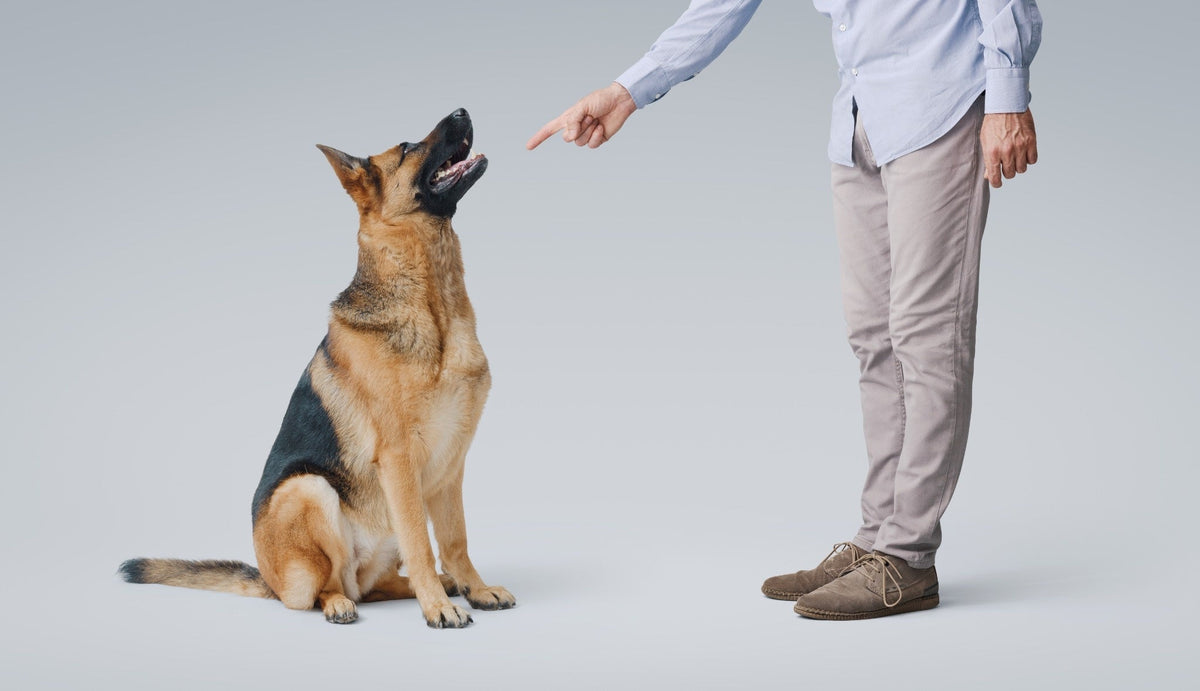
3. Don’t Punish Chewing
- It’s a normal coping behavior for pain
- Focus on redirection and safe chew zones
Teething & Walk Training: What You’ll Notice
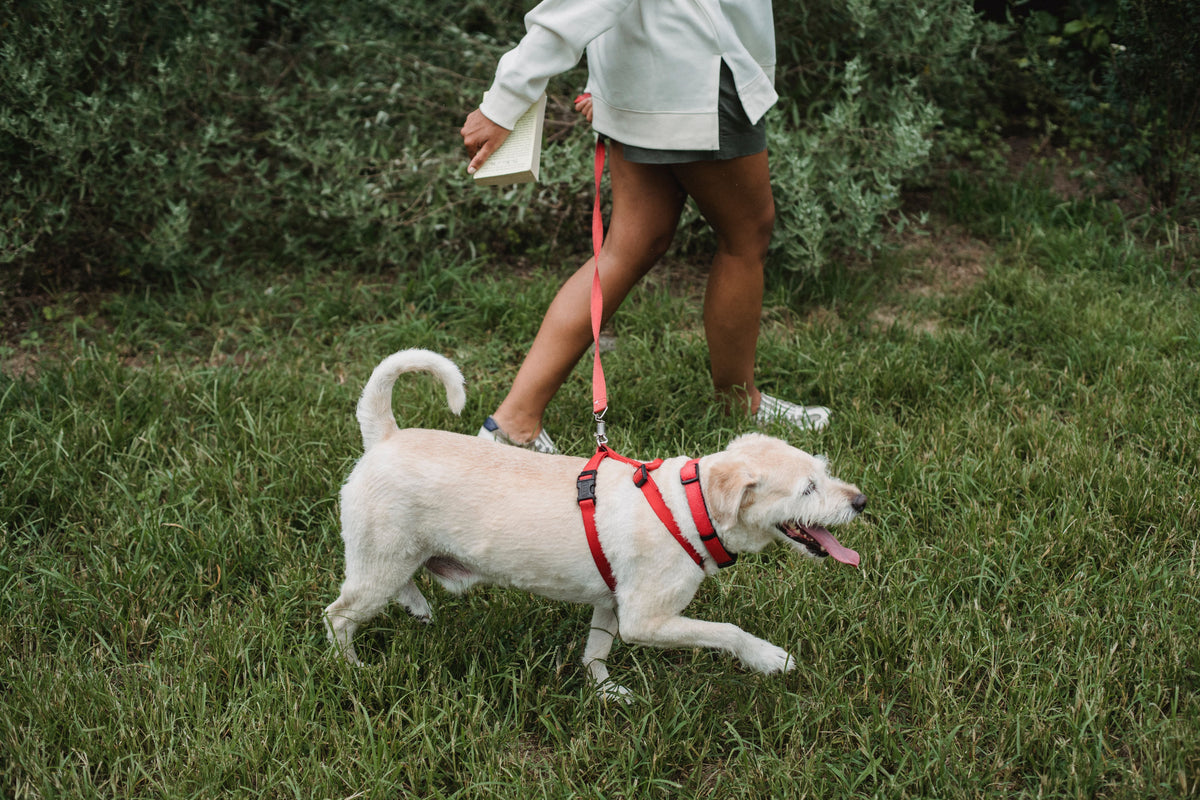
- Puppies may chew on their leash, harness, or even your sleeves
- Use treats from the Woopf Dual Pocket Dispenser to redirect during walks
- Introduce short training sessions between sniff stops to keep their brain working too
What Puppy Parents Say
“We froze a carrot and gave it in her crate—absolute gamechanger.” – Eliza & Maple
“He chewed through three cheap leads before we got the Woopf Bungee one. Strong, flexible, and he actually stopped biting it after a week.” – Marcus T.
Woopf Teething Walk Support Kit
- Explorer Harness – Soft padding that doesn’t rub on sore mouths
- Bungee Lead – Tough but forgiving for leash chewing
- Dual Pocket Dispenser – Store treats for redirecting nibbles
Need Help Managing Your Puppy’s Teething?
Send your pup’s age, breed, and behavior to Ask A Vet, and we’ll give you a teething action plan with toy suggestions and walk behavior tips.
Final Thoughts
Teething is temporary—but how you handle it can shape lifelong behavior. With the right tools, safe toys, and plenty of patience, you’ll help your puppy grow through the discomfort and into a calmer, better behaved dog.
Recommended by Dr Duncan
Vet-designed gear for what you have just read about.
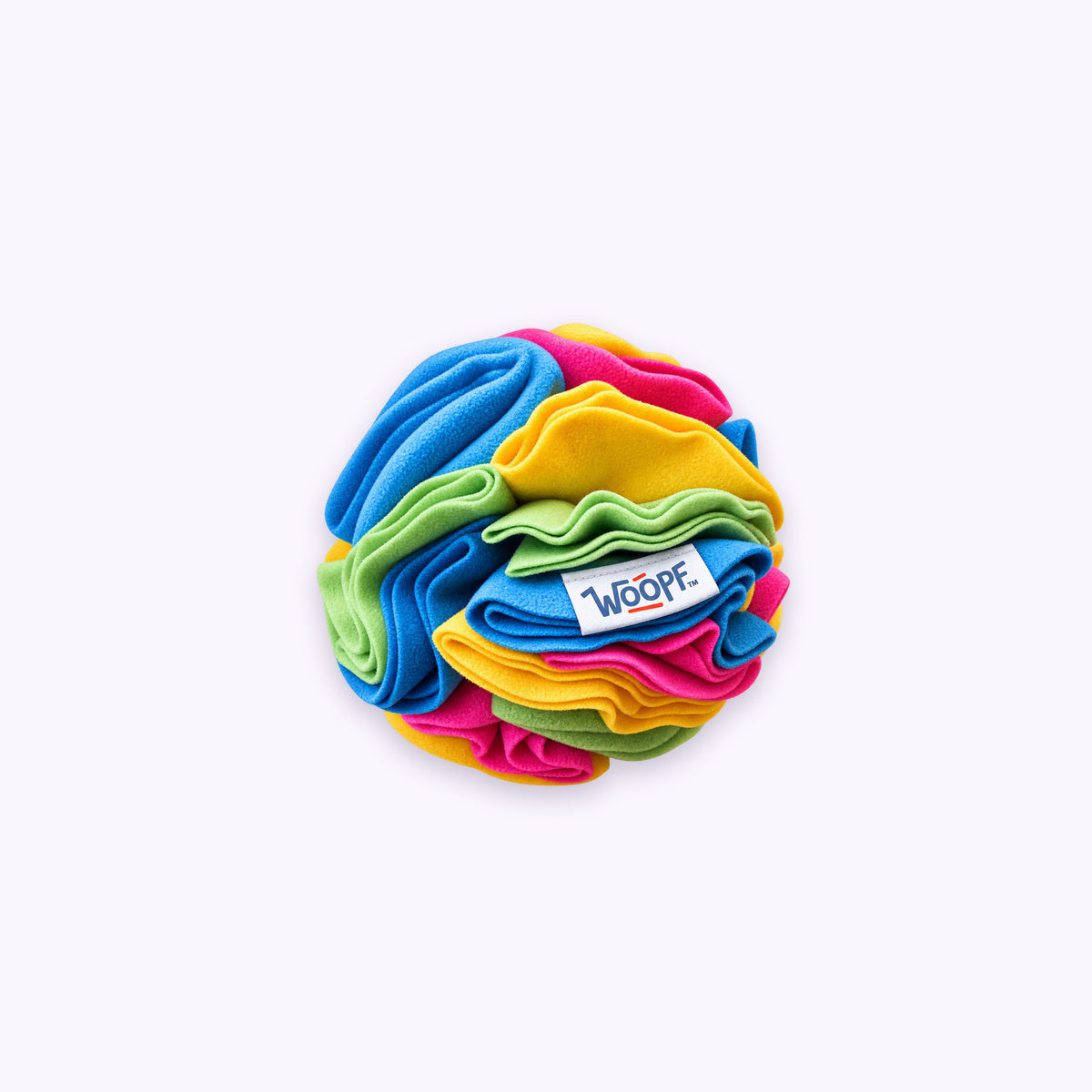
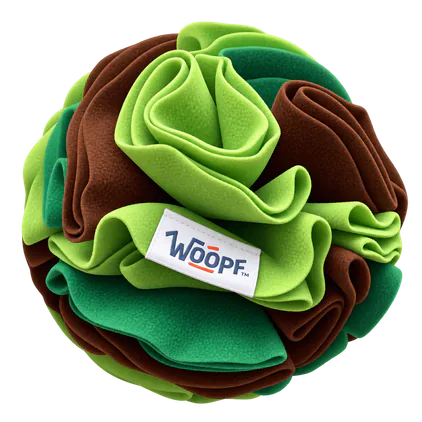
- 带响声的嗅闻球Shop
Hide treats & keep dogs engaged through sniff, search & crackle sounds
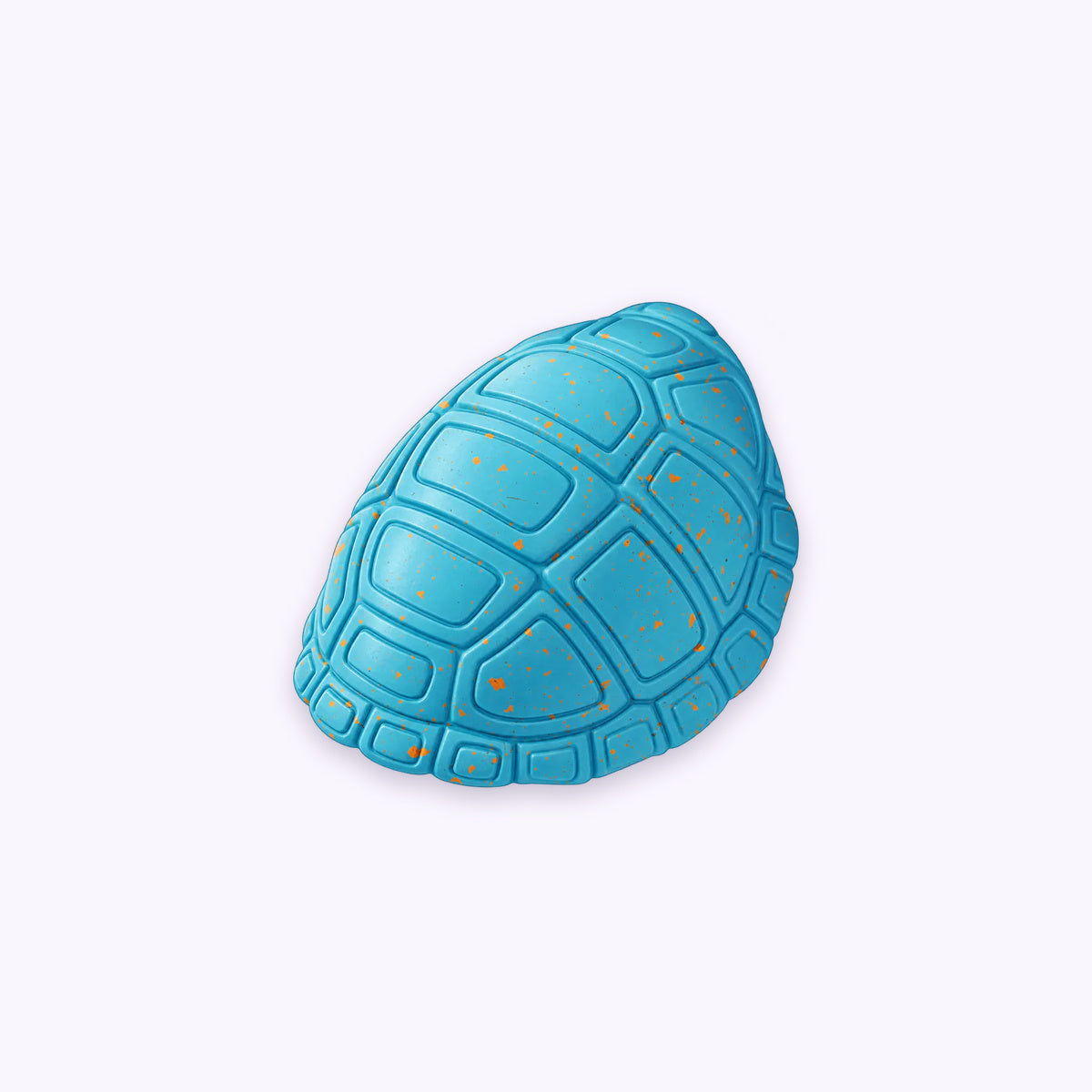
- Chewster 龟壳玩具Shop
For power chewers. Slow-release treat play for focused sniff & chew sessions
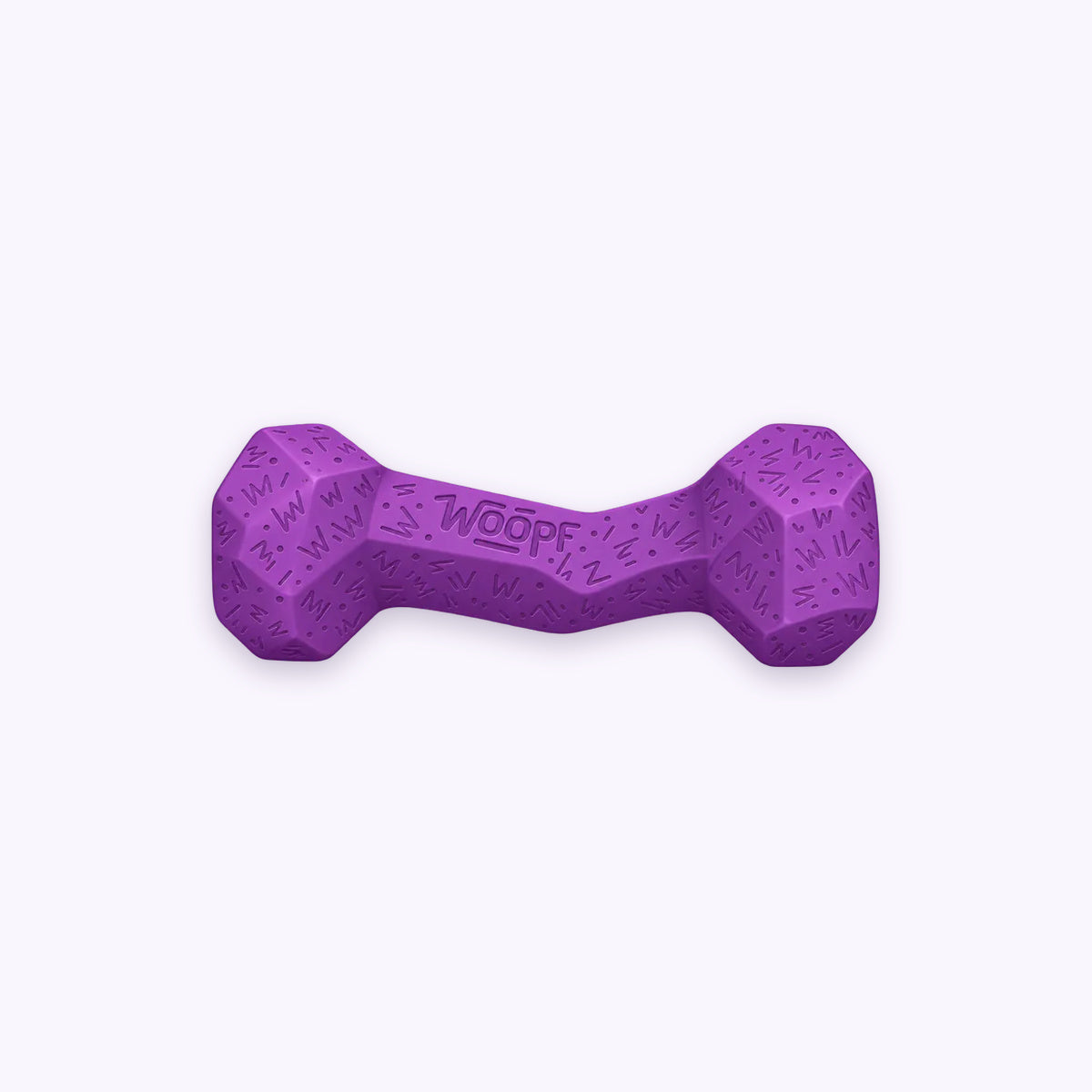
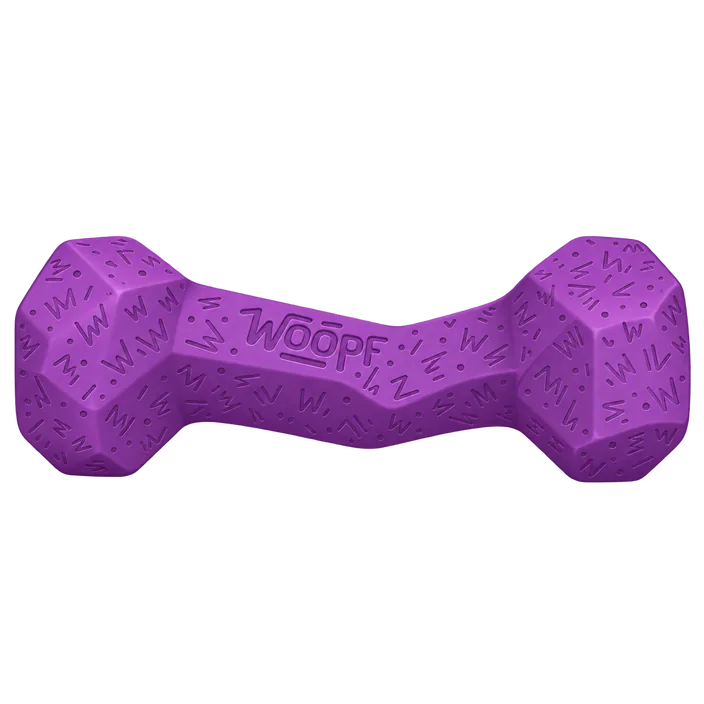
- Chewster 方块骨头Shop
For power chewers. Roll, chase & earn treats through chew play