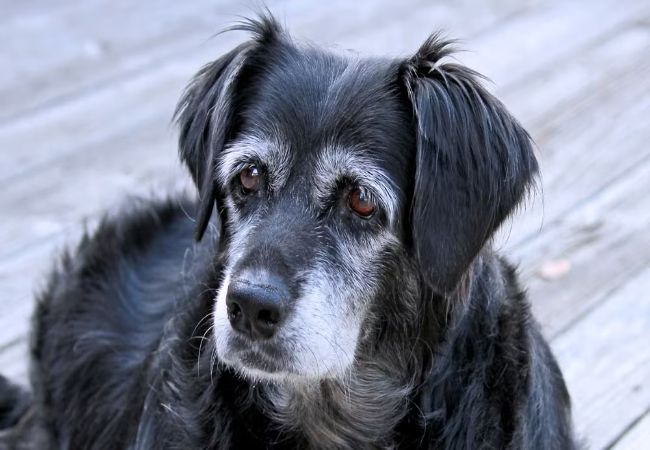





Dog eye color is a fascinating trait that varies widely across breeds, largely due to genetics. The primary genes involved in determining eye color influence the production of melanin, the pigment responsible for the color of the iris.
-
High melanin: Dark brown or almost black eyes
-
Low melanin: Lighter amber, hazel, or even pale blue eyes
The exact shade is influenced not only by the amount of melanin but also by how light interacts with the iris, creating unique eye colors for each dog.
👀 Heterochromia: When Eyes Don’t Match
Some dogs have different colored eyes, a condition called heterochromia. This occurs due to uneven distribution of melanin between the two eyes or within the same iris. There are three main types:
-
Complete heterochromia
-
One eye is entirely different in color from the other.
-
Common in breeds like Siberian Huskies, Australian Shepherds, and Border Collies.
-
-
Sectoral heterochromia
-
A portion or sector of a single iris differs in color from the rest of the eye.
-
It can occur in many breeds and gives a striking, multicolored effect.
-
-
Central heterochromia
-
The area around the pupil (central zone) is a different color than the surrounding iris.
-
Creates a ring-like effect, often subtle but visually distinct.
-
Heterochromia can be inherited, as seen in Huskies and Australian Shepherds, or occur due to random genetic variation. In some cases, mosaicism—where an individual has cells with different genetic makeups—can also cause heterochromia.
⚠️ When Eye Color Changes Are a Concern
While genetic heterochromia is harmless, sudden changes in a dog’s eye color can indicate an underlying health issue, including:
-
Uveitis: Inflammation inside the eye
-
Cataracts: Clouding of the lens
-
Glaucoma: Increased pressure in the eye
-
Other eye diseases or trauma
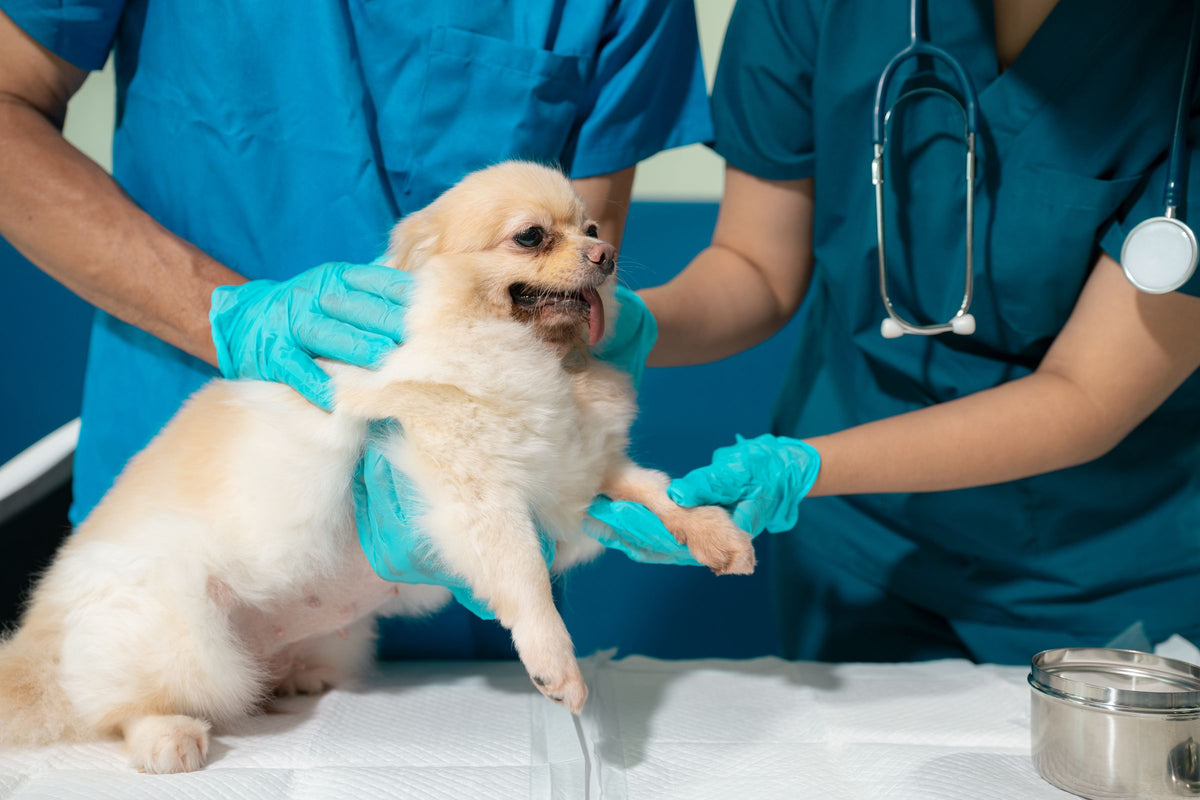
If you notice a change in your dog’s eye color, it’s important to consult a veterinarian immediately. Early detection can prevent serious complications and preserve your dog’s vision.
🌟 Takeaway
Dog eye color is a blend of genetics and light interaction, giving rise to beautiful variations from deep brown to pale blue. Heterochromia, whether complete, sectoral, or central, adds to the unique charm of many breeds. While most eye color variations are normal and harmless, any sudden changes should always be checked by a vet to ensure your pup stays healthy and happy.
Recommended by Dr Duncan
Vet-designed gear for what you have just read about.
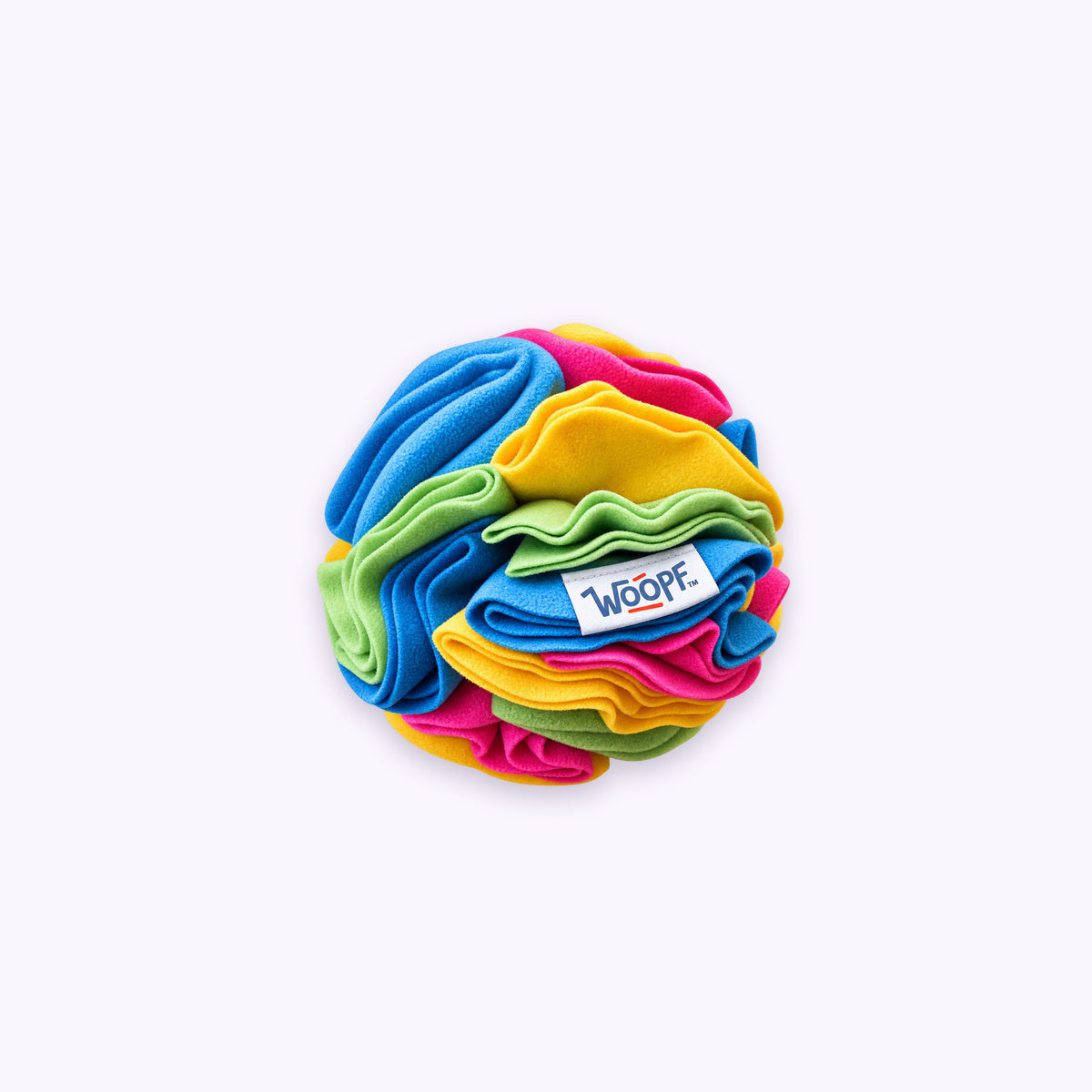
- 带响声的嗅闻球Shop
Hide treats & keep dogs engaged through sniff, search & crackle sounds
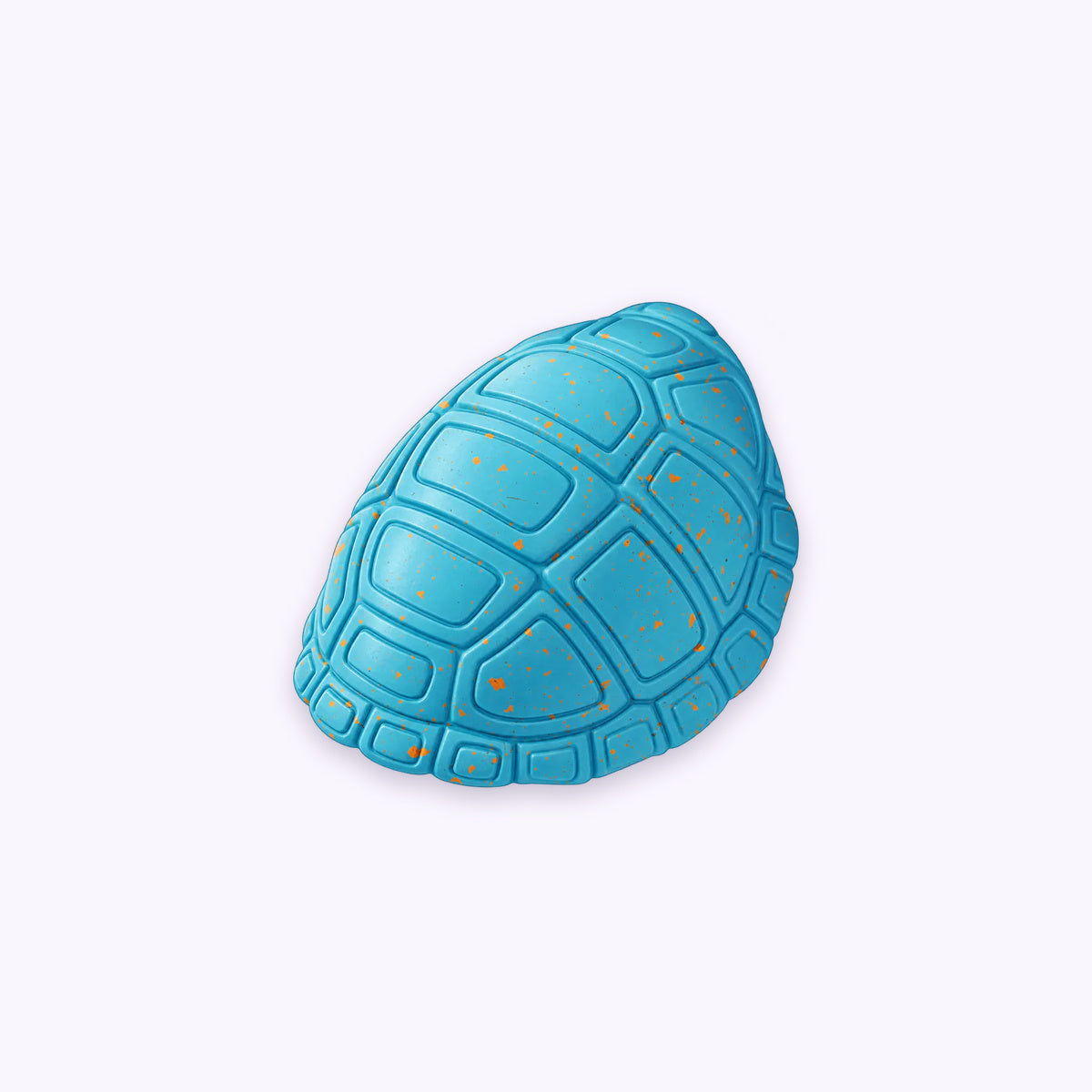
- Chewster 龟壳玩具Shop
For power chewers. Slow-release treat play for focused sniff & chew sessions
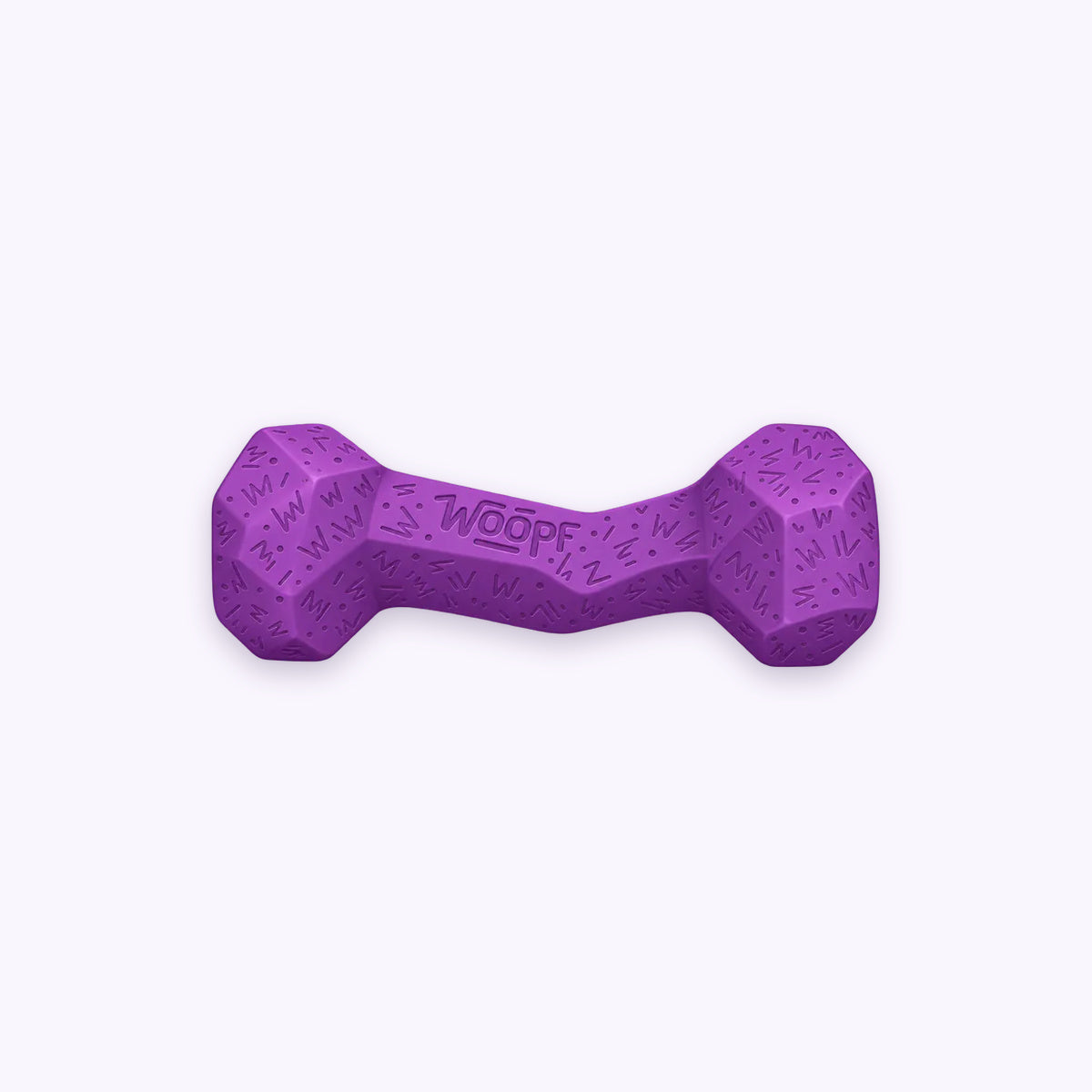
- Chewster 方块骨头Shop
For power chewers. Roll, chase & earn treats through chew play